
Last updated November 22, 2026
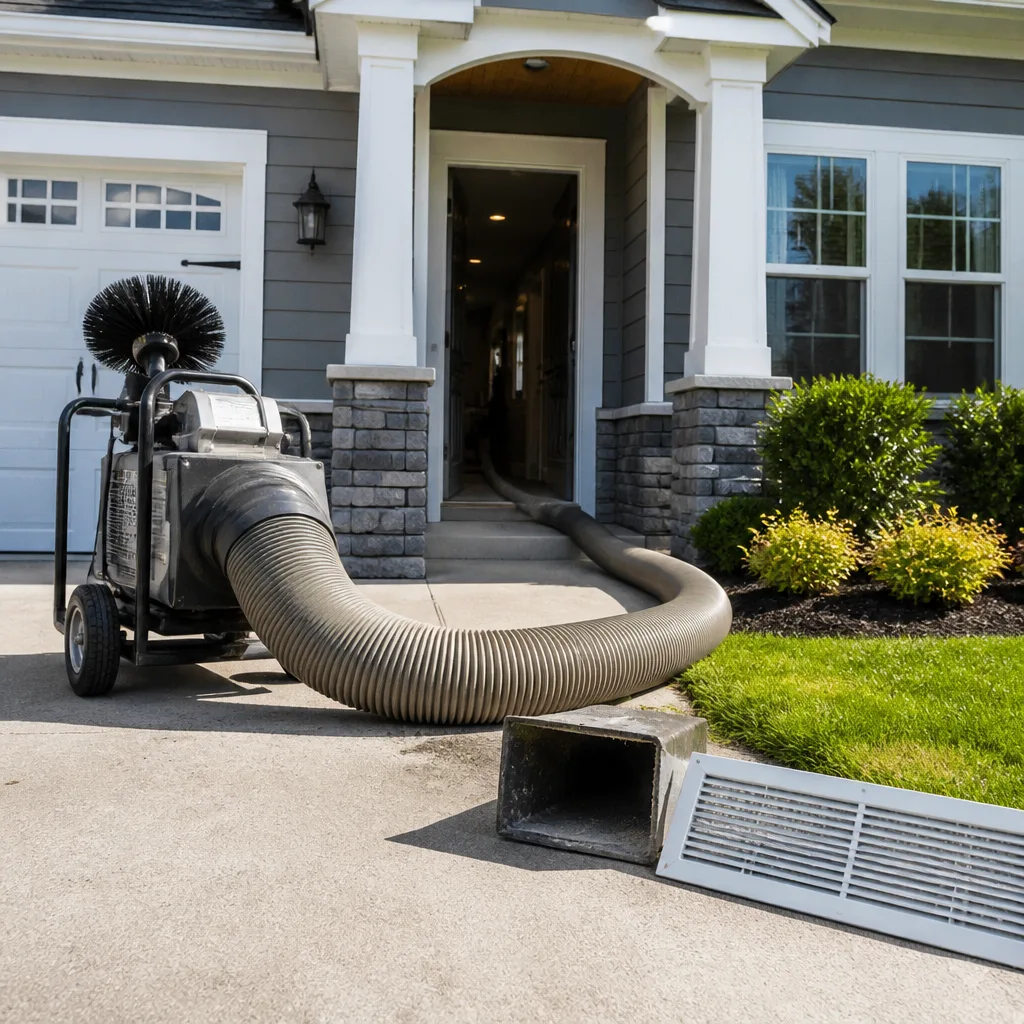 Whole-home duct cleaning
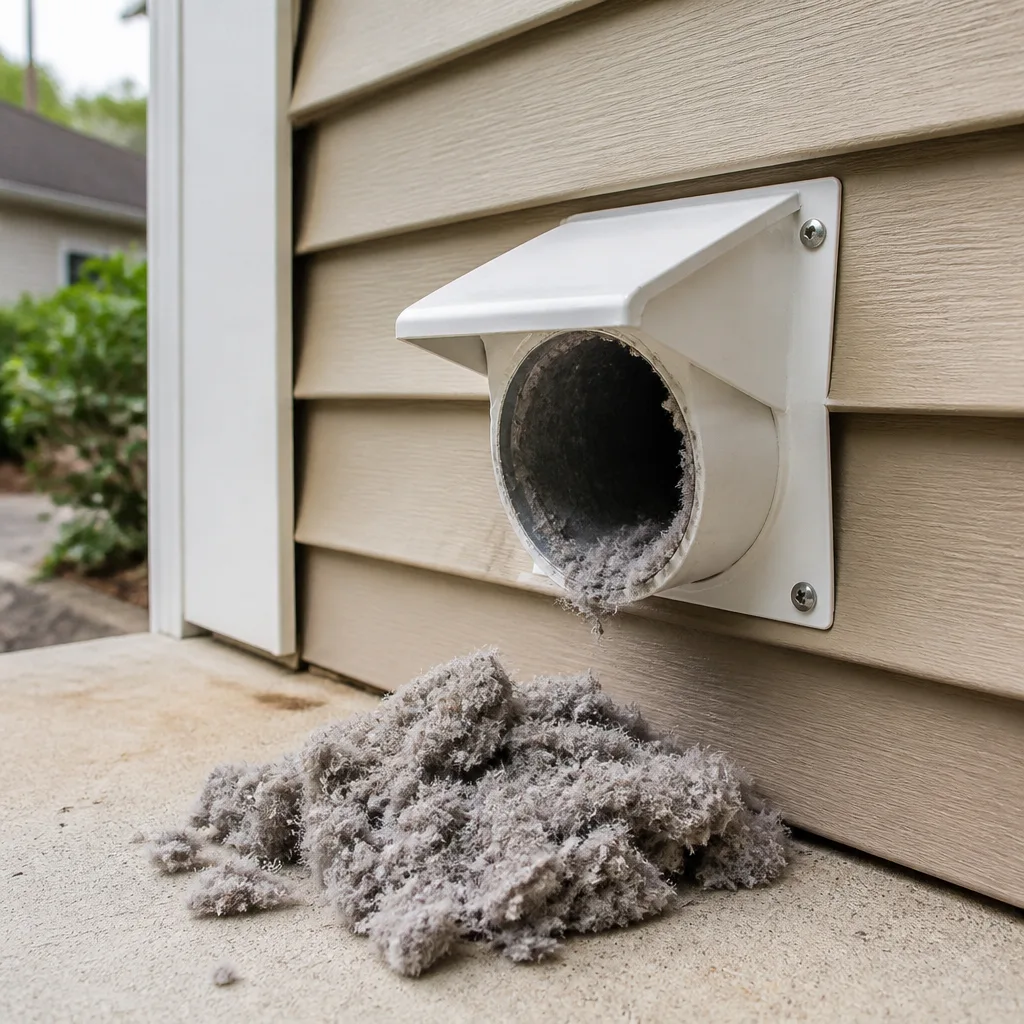 Dryer vent cleaning
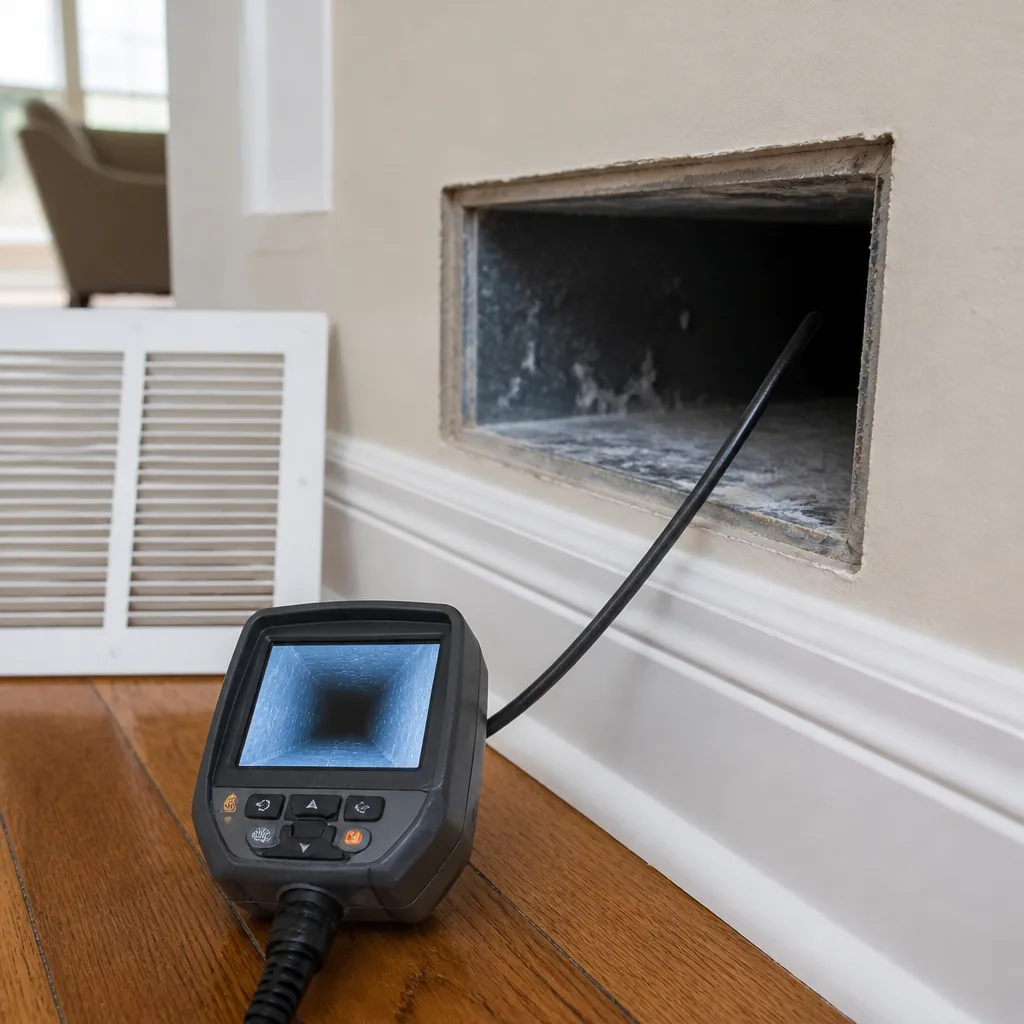 Camera inspection
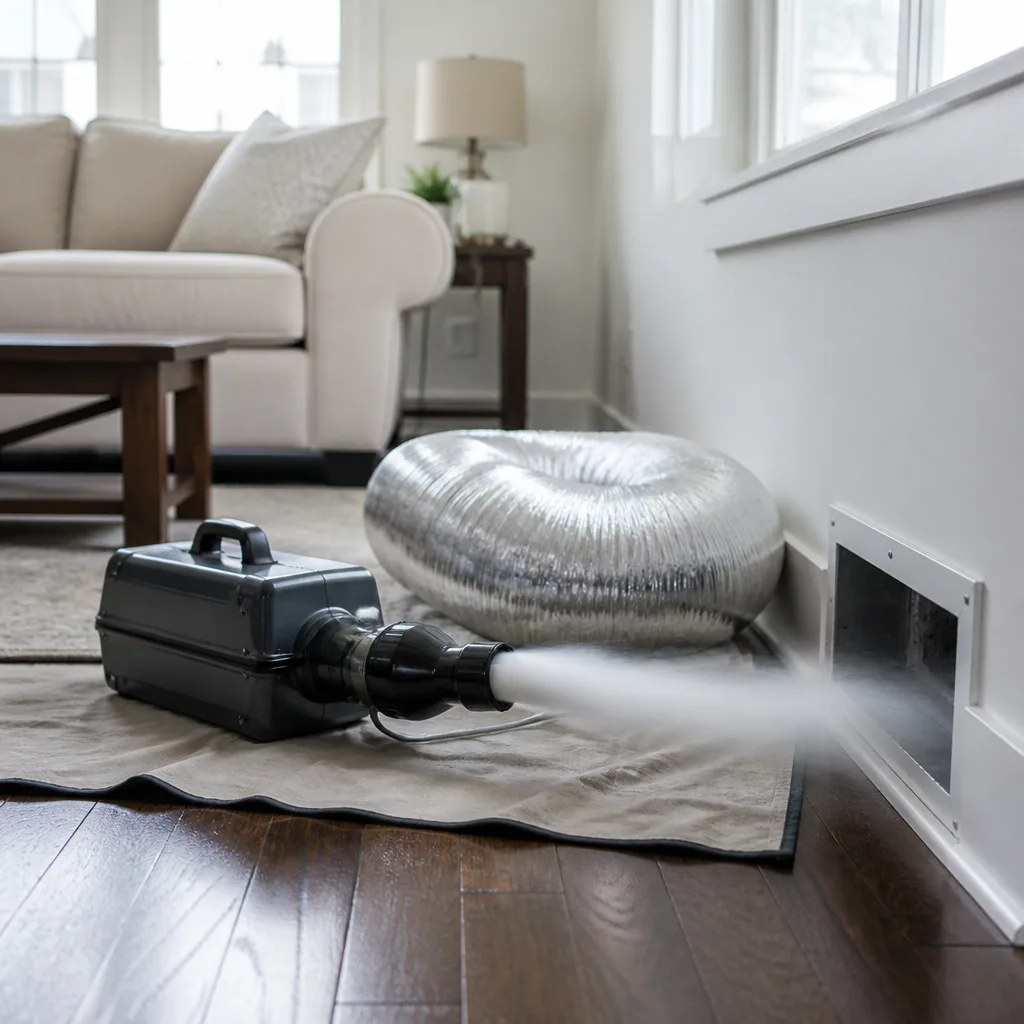 Sanitizing & deodorizing
Whole-system duct and dryer vent check with before-and-after photos - you see exactly what came out of your vents
That "$99 whole-house special" is a bait ad - the real number appears once they are in your hallway, or the "clean" is a shop-vac at the register. We photograph the inside of your ducts before and after instead.
How to Hire an Air Duct Cleaning Contractor in Bay Ridge: A Step-by-Step Guide
Here’s the part almost nobody tells you: a contractor can legally clean the ducts in your Bay Ridge home with a shop vac, a leaf blower, and a liability waiver. No license required. That isn’t an exaggeration. New York doesn’t license air duct cleaning the way it licenses electricians or plumbers, so the burden of vetting a contractor falls squarely on you, the homeowner. Most hiring guides hand you soft advice like “check the reviews,” which doesn’t separate a real system-cleaning operation from a van-and-vacuum operator. This guide walks you through the specific equipment questions, quote structures, and post-job verification steps that actually do that separating, with context built around how homes in Bay Ridge are put together.
Quick Answer
Hiring a duct cleaning contractor in Bay Ridge comes down to three checks: verify what equipment they’ll actually run in your home (rotary agitation tools plus a negative air machine with real HEPA filtration, not a shop vac), require a written scope with per-system line items instead of a teaser price, and confirm they can show before-and-after documentation of your own ducts. NADCA membership is a useful floor, not a guarantee. Get all three in writing before anyone touches a register.
Styles & brands we work with
- Whole-home duct cleaning
- Dryer vent cleaning
- Camera inspection
- Sanitizing & deodorizing
Table of Contents
- Why Air Duct Cleaning Is Hard to Vet in the First Place
- The Equipment Questions to Ask Before You Book
- How to Read a Duct Cleaning Quote
- What NADCA Membership Actually Means
- Red Flags Specific to the NYC Metro Market
- Post-Job Verification: What Documentation You Should Get
- What’s Different About Duct Work in Bay Ridge Homes
- The Step-by-Step Hiring Process, Start to Finish
Why Air Duct Cleaning Is Hard to Vet in the First Place
Start with the regulatory gap, because it explains everything that follows. New York does not issue a license for air duct cleaning. There’s no state exam, no continuing education requirement, no minimum tool investment, and no bonding threshold specific to the trade. A person with a van, a wet-dry vacuum, and a business card can advertise duct cleaning in Bay Ridge tomorrow.
That’s genuinely different from adjacent trades. An electrician touching your panel is licensed. A plumber capping a gas line is licensed. The person pushing a rotary brush through your supply trunk isn’t required to be anything in particular. Some municipalities regulate the business license itself, so it’s worth asking your city’s building department whether a permit or trade license applies to the work you’re getting. Most duct cleaning jobs don’t require a permit, but duct repair and sealing work can touch on construction code depending on what’s being altered, and that’s a question for the local authority, not for a contractor’s sales pitch.
The practical consequence: credentials in this trade are voluntary. NADCA membership is voluntary. Equipment investment is voluntary. Written scopes, before-and-after photos, and a documented process are all voluntary. That means every check in this guide is one a contractor has chosen to make available, and a contractor who can’t produce any of them has told you something useful.
The Equipment Questions to Ask Before You Book
This is where the real sorting happens. Equipment is the one part of a duct cleaning job you can verify objectively, before the truck arrives, with three plain questions. Ask them on the phone. A professional operation answers immediately and often volunteers more detail than you asked for.
Question 1: What kind of vacuum, and where does the air go?
You’re listening for “negative air machine” or “vacuum collection unit,” and you want to know whether it’s truck-mounted or portable. Both are legitimate. A truck-mounted unit moves serious air volume and stays outside the house, which keeps the collection point away from living space. A portable negative air machine, properly sized, does the same job inside and is the practical choice for Bay Ridge apartments, co-ops, and homes where a truck can’t park within hose reach. What you’re filtering out is the answer “we use a shop vac.” A shop vac has neither the airflow nor the filtration to pull a residential duct system, and running one can stir settled debris back into the air you’re breathing.
Question 2: What filtration is on the unit?
Ask specifically about HEPA filtration. HEPA-rated filtration is what captures fine particulate at the exhaust of the vacuum rather than exhausting it into the room. This is the same principle at work in mold and remediation contexts, where containment is the whole point. We use Abatement Technologies filtration equipment for exactly this reason: dislodged contaminants get captured, not recirculated into your kitchen. If the answer to the HEPA question is a pause, that’s your answer.
Question 3: What tools agitate the duct surfaces?
Vacuum alone doesn’t clean a duct. Debris clings to the metal and flex duct walls, and something has to break it loose. The professional standard is rotary brush agitation: a spinning brush head fed through the system on a flexible shaft. Rotobrush and Nikro both make rotary brush and high-powered vacuum systems built specifically for duct cleaning, and they’re the names a professional tends to mention without prompting. Also ask whether they use air whips or skipper balls for the branch runs, since those reach the smaller lines a rotary brush can’t fully traverse.
- Rotary brush system: Yes. This is the baseline for agitation.
- Negative air machine: Yes, truck-mounted or portable, sized to the system.
- HEPA filtration on the collection unit: Yes, non-negotiable.
- Air whips or skipper balls for branches: Yes, ideally.
- Shop vac as the primary vacuum: No. Walk away.
How to Read a Duct Cleaning Quote
A duct cleaning quote tells you nearly everything about the job before it starts, if you know which line items to look for. The tell is whether the quote prices a system or prices a number of vents. Per-vent pricing is the architecture of the bait-and-switch: a low entry number, a count on arrival that always comes in higher than expected, and a price that grows as the technician walks the house.
A professional scope prices the whole system as one job. It typically covers the main supply and return trunks, the branch runs, the registers and grilles, the air handler and blower compartment, and the coils where accessible. Some contractors itemize these; some wrap them into a single whole-system figure. Both are fine, as long as the total is agreed before work begins and doesn’t move once the equipment is deployed. Expect the written estimate to establish the final number.
The other item to read carefully is the “additional services” block. Legitimate contractors list optional add-ons with distinct prices: sanitizing treatment, duct sealing, coil cleaning, dryer vent cleaning. That’s normal. What’s not normal is a quote that leaves things open-ended, or a line item for “mold remediation, TBD” that gets priced on site after a flashlight inspection. If mold growth is suspected, it should be assessed and quoted separately, in writing, before anyone starts. More on that below.
Line items that signal a professional scope
- A single agreed price for the whole system, not a per-vent rate.
- Named components covered: trunks, branches, registers, air handler, blower, accessible coils.
- Optional add-ons priced individually and clearly labeled optional.
- Whether dryer vent cleaning is bundled or quoted as a standalone service.
- A stated equipment package and a stated process.
- Before-and-after photos included in the job, not offered as a favor.
What NADCA Membership Actually Means
NADCA, the National Air Duct Cleaners Association, publishes a standard for how duct cleaning should be done, along with an assessment, cleaning, and restoration process that members are expected to follow. Membership means a contractor has opted into a trade body that takes the work seriously. That’s real. It’s also a floor, not a ceiling, and understanding the gap matters.
What NADCA membership does not guarantee: that the individual technicians doing your job were trained to any particular standard, that the equipment rolled into your Bay Ridge home on a given day meets any minimum specification, or that the scope you were quoted matches what actually happens inside your walls. Membership lives at the company level. Your job happens at the technician level.
What it does tell you: the company has chosen to be accountable to an industry standard, has some documented interest in doing the work properly, and is findable in a directory. That’s worth something. Use it as one filter among several. Pair it with the equipment questions above, a written whole-system scope, and a willingness to talk about documentation. A non-member contractor with proper equipment and a clear written process is a better bet than a member you can’t get on the phone to answer a filtration question.
Red Flags Specific to the NYC Metro Market
The New York metro has a few patterns that show up nowhere else in quite the same form. Bay Ridge sits in the middle of them because it’s a dense residential neighborhood with a lot of co-ops, a lot of attached rowhouses, and a lot of households fielding door-to-door and online offers. Watch for these.
Unlicensed subcontracting
Ask who actually shows up. If the company you’re talking to is a lead-generation operation that hands the job to whoever’s available, you’ve lost the vetting you just did. The equipment you asked about and the scope you negotiated may not match what the technician arrives with. One direct question settles it: “Will the crew that arrives be your employees, and is the person doing the work trained on this equipment?”
Non-local “national brand” crews
A multi-state brand can be perfectly reputable, but a crew driving in from an unfamiliar area may not know the local housing stock. Bay Ridge has a specific mix: pre-war apartment buildings with long, complicated duct layouts, attached brick rowhouses where the air handler is tucked in a closet or the basement, and buildings where routing is a real constraint. Local knowledge matters here. Ask where the crew is coming from and how familiar they are with your building type.
Mold remediation added on the spot
This is the most common pressure play. After the job starts, a flashlight goes up a register and suddenly there’s “mold” that needs remediation, priced verbally, right now. Sometimes there’s genuine biological growth in the system and remediation is needed. Sometimes it’s surface dust. The two look different under proper inspection and are quoted entirely differently. Never accept a mold remediation add-on priced on the spot. Ask for it in writing, with a scope, and take a day to think about it.
Cash-only, no-paperwork, or “the price changes when we see it”
Each of these removes your ability to verify what happened. A legitimate contractor works from a written scope and leaves a paper trail.
Post-Job Verification: What Documentation You Should Get
A legitimate duct cleaning job produces documentation. Not because the contractor is being generous, but because a documented job is how a professional operation protects itself and you at the same time. A contractor who has to be asked for photos after the fact is telling you something about their process. Here’s what a proper post-job file should contain, provided without prompting.
- Before-and-after photos of your own ducts. Registers, trunks, and the blower compartment, showing condition before the equipment ran and after. Photos of your system, not stock images.
- The scope actually performed. The written scope you agreed to, updated to reflect exactly what was done. If a component was inaccessible, that’s noted, not silently dropped.
- Equipment used. The make and model of the equipment that ran in your home, so you can verify it’s what you were quoted.
- Noted deficiencies. If the inspection found disconnected ducts, failed flex connections, or signs of moisture intrusion, that should be in writing with a recommendation, whether or not you buy additional services.
- Any IAQ products installed. If filtration or humidity control was added, the product model and installation notes. We supply and install Honeywell and Aprilaire indoor air quality products, and both come with manufacturer documentation that should end up in your file.
- The invoice, matching the written estimate. If the number changed, there’s a documented reason, and you agreed to it before it happened.
This is also the right moment to talk about the clean-then-seal logic, because it comes up at verification more than anywhere else. A cleaned duct system with a disconnected supply run or a failed boot at a register will re-contaminate itself and lose conditioned air. Cleaning without sealing addresses the symptom. Cleaning then sealing addresses the cause. If the post-job inspection surfaces a leak or a disconnect, getting it sealed is the difference between a job that holds and one you’ll repeat a year from now.
What’s Different About Duct Work in Bay Ridge Homes
Bay Ridge has a housing mix that makes duct cleaning a different job than it is in a typical suburban house. Knowing the local pattern helps you talk to a contractor and catch a mismatch.
Pre-war buildings. Bay Ridge has a real stock of pre-war apartment buildings, and those duct systems are often longer, more complex, and more likely to have converted or renovated distribution than what a suburban homeowner is picturing. Ask whether the crew is prepared for long runs and mixed transitions.
Attached rowhouses. Brick rowhouses are common. The air handler is often in a basement, closet, or utility area rather than a central mechanical room, which means accessibility is a real constraint and the quote should reflect it honestly. A contractor who promises everything is accessible without looking is either guessing or planning to charge more on arrival.
Apartment and co-op access. In co-op and condo buildings, the equipment setup matters differently. A truck-mounted unit may not be usable, and a properly sized portable negative air machine is the practical choice. Ask about it in advance so the crew arrives prepared. Air Duct Cleaning Bay Ridge works in both building types and will confirm access requirements when you call.
Dense neighborhood logistics. Parking, hose runs, and access to the building are worth clarifying before the appointment. A professional operation factors these into scheduling and will tell you what to have ready. None of this is a reason not to book; it’s a reason to book someone who asks about it.
Humidity in warm months. The New York summer does a number on homes without mechanical dehumidification. A duct system with marginal return air capacity and no humidity control will feel clammy even when the air conditioning is doing its job, and in Bay Ridge’s older building stock that comes up often. That’s a full-system question, not a duct-cleaning question, which is why a contractor who can supply and install Honeywell or Aprilaire humidity control is a different kind of conversation than a cleaning-only vendor.
The Step-by-Step Hiring Process, Start to Finish
Here’s the whole process in order, stripped to what matters.
- Start with the scope, not the price. Before you ask “how much,” ask “what’s included.” A contractor who leads with the price is usually selling a number, not a job.
- Ask the three equipment questions. Vacuum type and location, HEPA filtration, rotary brush agitation. Ask on the phone. A professional answers directly.
- Request a written whole-system scope. Per-system, not per-vent. Registers, trunks, branches, air handler, accessible coils. Add-ons priced separately and labeled optional.
- Ask who’s actually coming. Employees or subcontracted crew, and whether the technician is trained on the equipment being used.
- Confirm the documentation package. Before-and-after photos of your ducts, equipment notes, and any noted deficiencies. Ask for it upfront rather than after the fact, because it changes who says yes to the job.
- Decide what’s preventive and what’s necessary. Duct cleaning is not an every-year thing. Reasonable intervals depend on the home, the occupants, recent renovation, and whether the system has been running with a disconnected duct or persistent moisture. A contractor who pushes annual cleaning without a reason is selling a subscription.
- Plan for the clean-then-seal sequence if needed. If inspection surfaces leaks, disconnects, or failing connections, get them sealed. A cleaned system that leaks isn’t a clean system in any practical sense.
- Review the delivered documentation against the scope. Photos of your own ducts, the scope as performed, whatever was noted. If something is missing, ask for it. A professional operation provides it.
One more consideration that ties the whole process together: think in terms of the full air pathway rather than a set of separate tasks. Air comes in through returns, runs through the air handler, travels the supply trunks, exits the registers, and gets exhausted through the dryer vent. Clean ducts matter. So does the blower compartment, and so does a dryer vent cleaning, which is a documented fire-risk item that HVAC-only contractors frequently skip. A contractor whose menu covers the whole pathway is in a better position to spot what’s actually wrong than one selling a single service. If the job involves more than ducts, an HVAC cleaning is often warranted at the same time.
Common Mistakes to Avoid
- Booking on the coupon price alone. Coupon prices are designed as entry points, and the scope grows once the technician is inside the door. Ask for the whole-system number first and treat any teaser figure with suspicion.
- Accepting per-vent pricing. A per-vent rate puts the technician’s incentive on counting registers, not on cleaning the system. A whole-system price keeps the incentive on doing the job correctly.
- Skipping the equipment questions. If you don’t ask about the vacuum and filtration, you have no way to tell a rotary brush operation from a shop vac job. In a Bay Ridge apartment building, “we’ll just use a portable unit” can mean a shop vac or a properly sized negative air machine, and the difference is enormous.
- Accepting an on-site mold remediation quote. Mold is a separate scope that deserves its own written estimate with documentation. A verbal price delivered mid-job isn’t a diagnosis, it’s a sales move.
- Not asking who’s actually coming. Unlicensed subcontracting is common in the NYC metro, and the crew that arrives can be very different from the company you screened. Confirm who’s on the truck.
- Skipping the post-job documentation review. Before-and-after photos of your own ducts are the single most useful thing you can get. If you can’t tell whether the work happened, you didn’t get the verification you were due.
- Cleaning without sealing. A cleaned system with a disconnected duct or failing boot re-contaminates itself and wastes energy. In Bay Ridge’s older rowhouse and pre-war building stock, this is one of the most common reasons a second cleaning shows no improvement. Have the inspection findings acted on.
See the difference
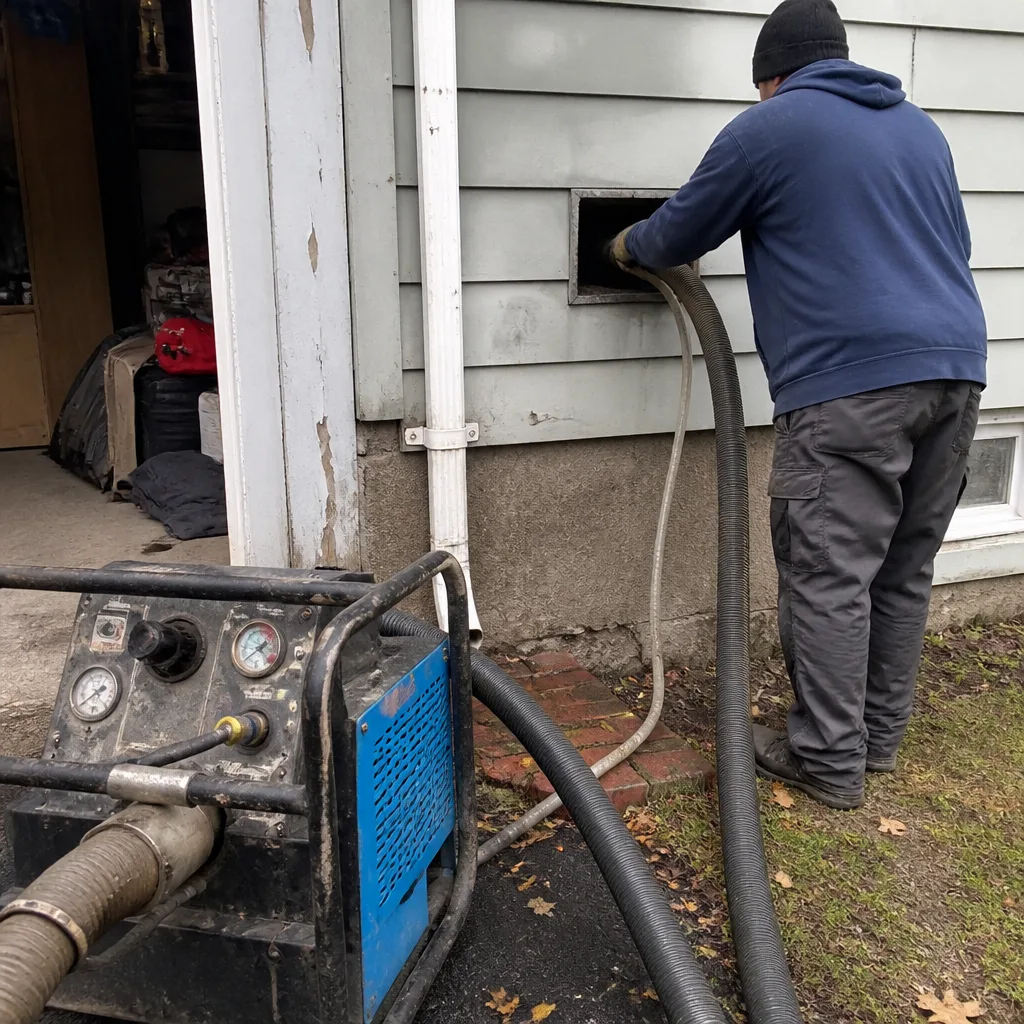 Before
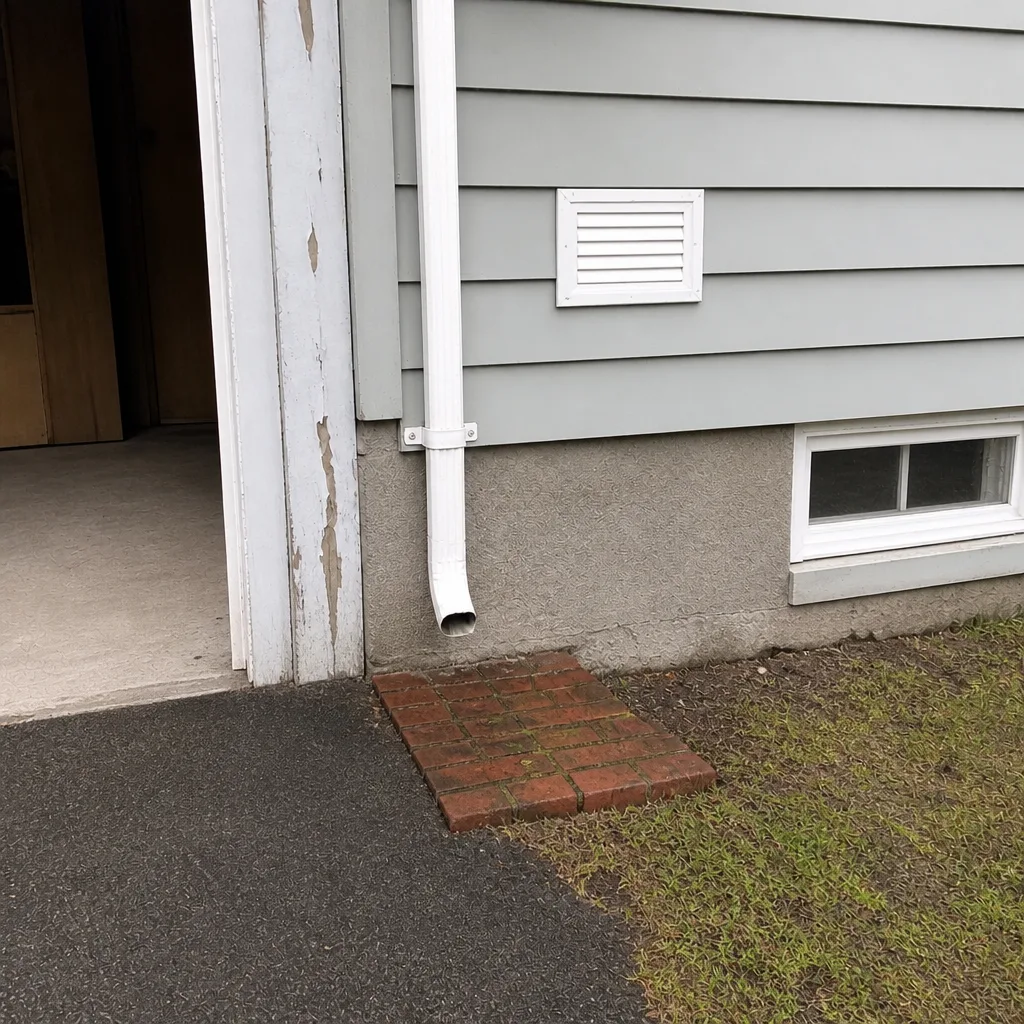 After
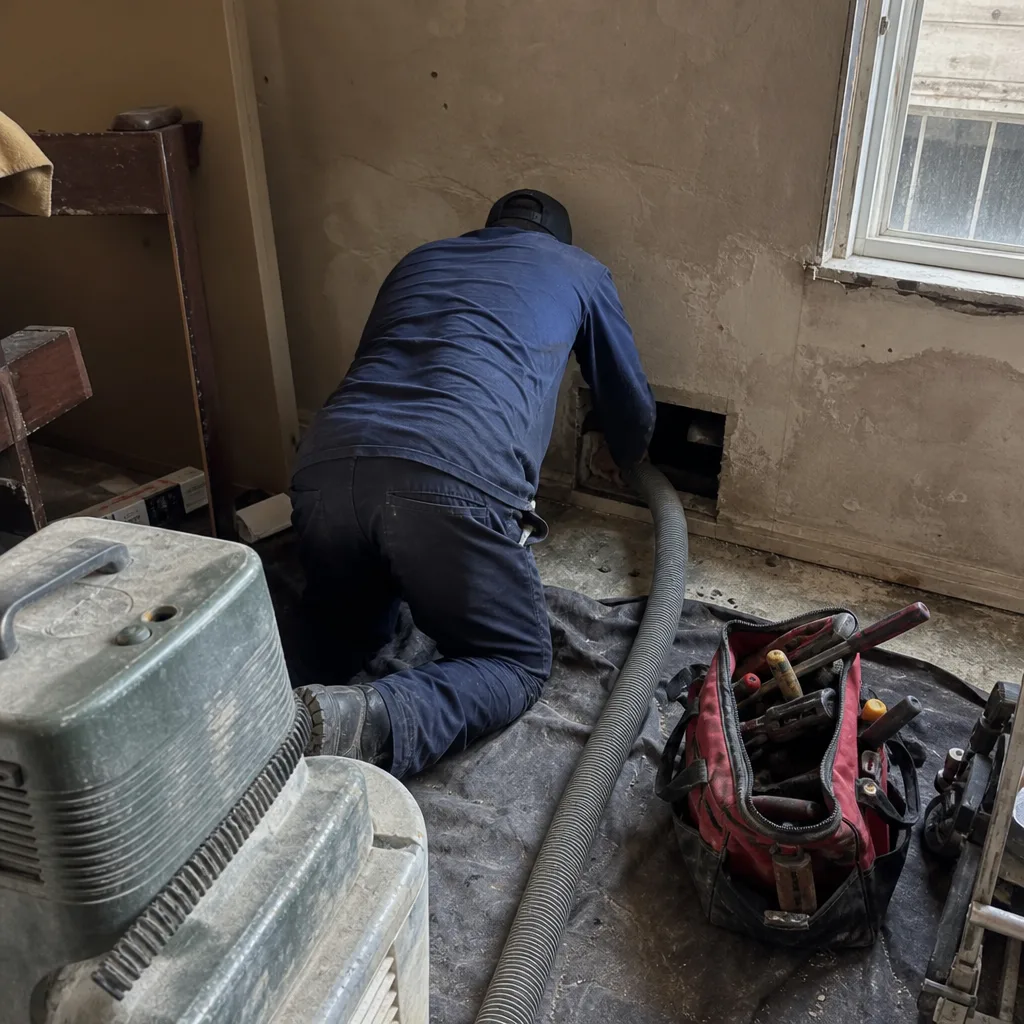 Before
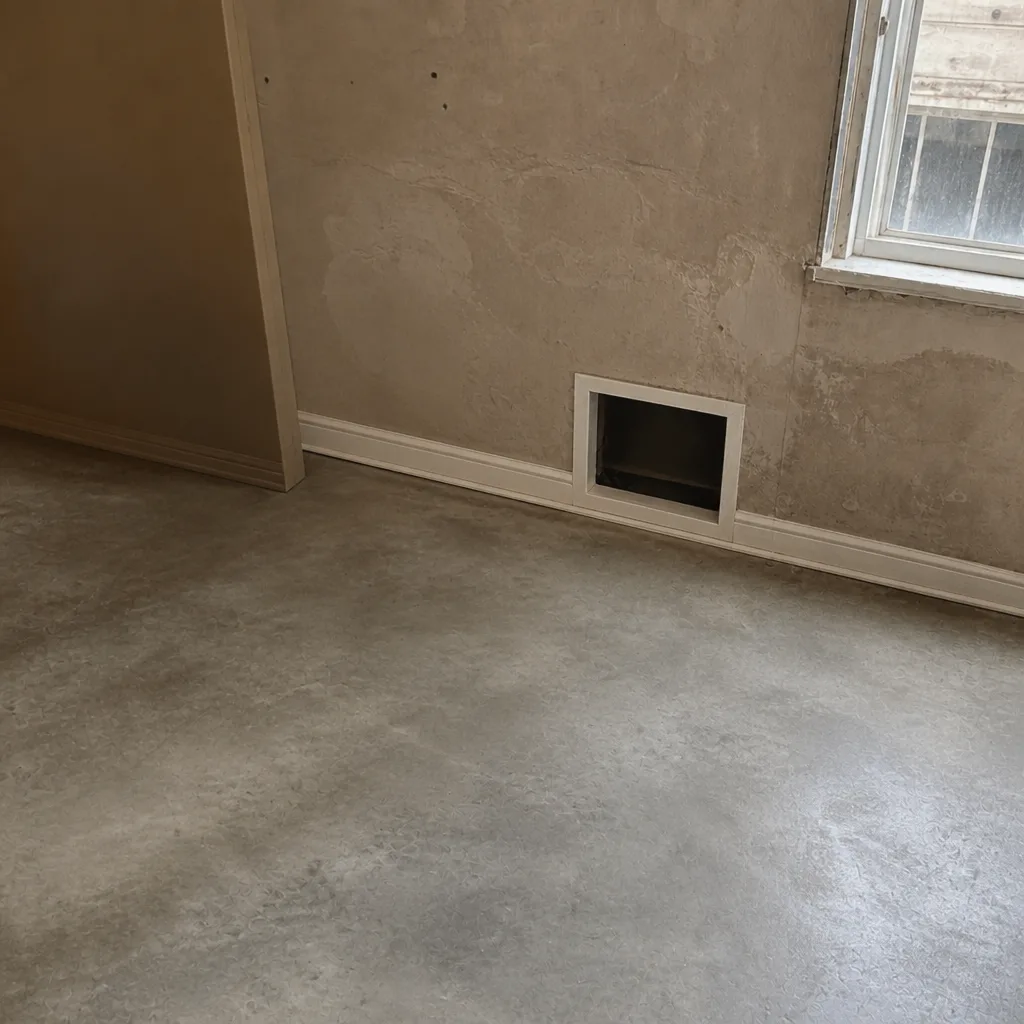 After
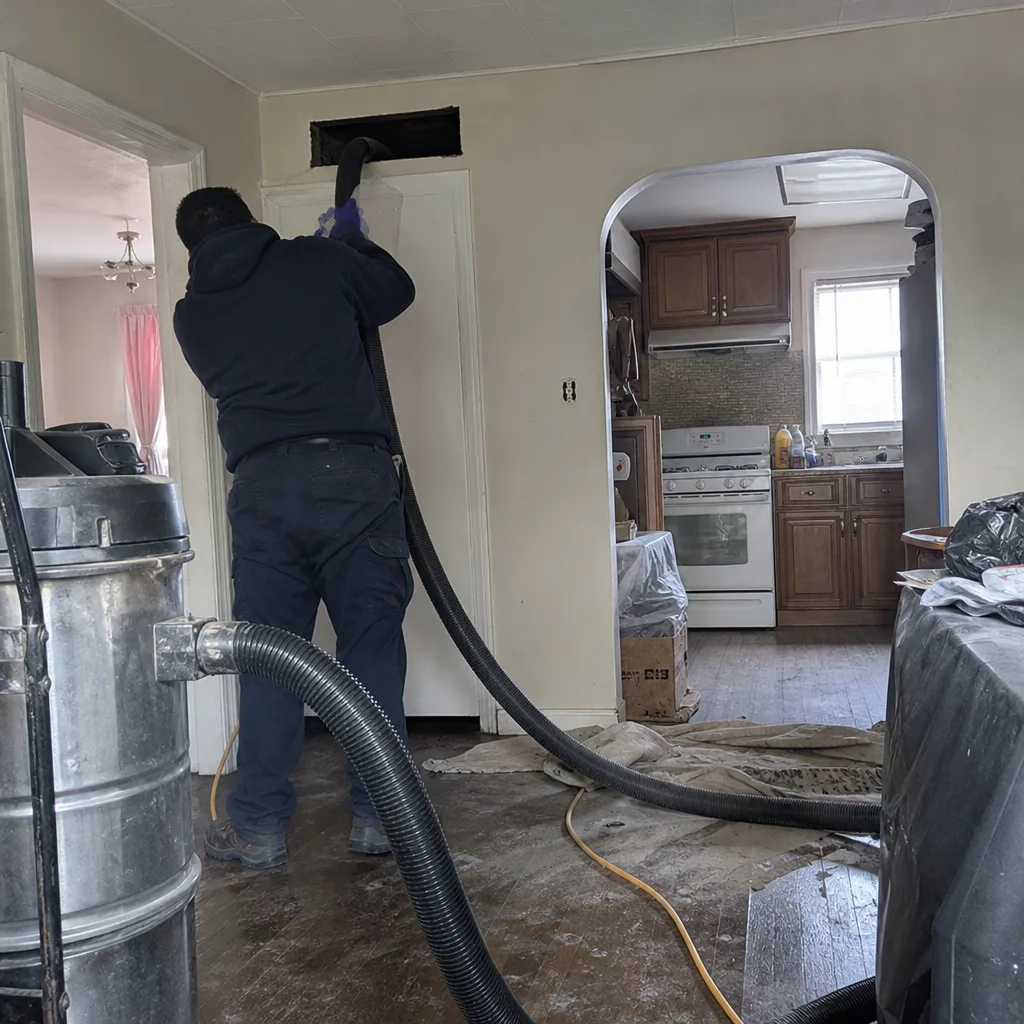 Before
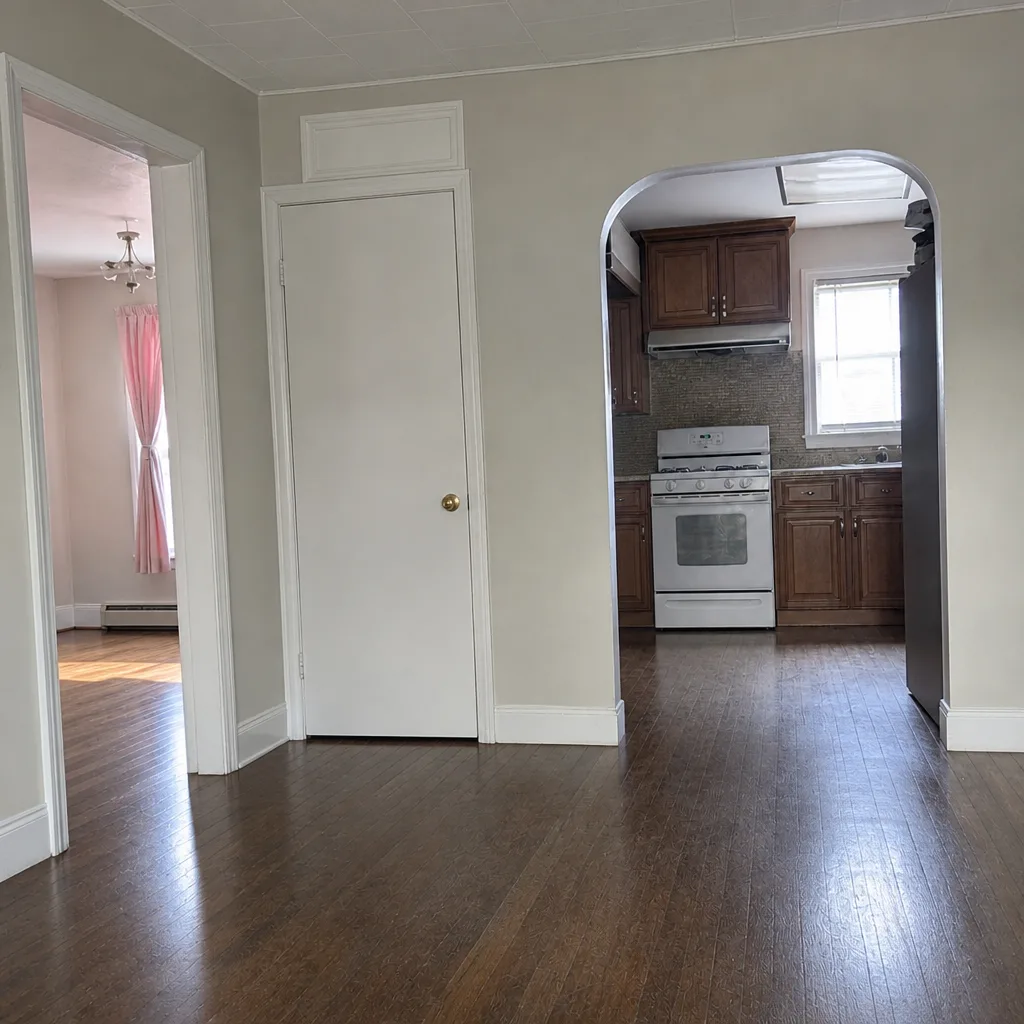 After
When to Call a Professional
Bring in a professional when the air in the house is telling you something’s wrong that you can’t point to a source for. Visible dust puffing from a register when the blower starts. A musty smell that doesn’t clear out. Allergy symptoms that follow the HVAC system rather than the seasons. A recent renovation that generated dust in a home where the system kept running. An HVAC checkup that surfaced debris in the air handler or a disconnected duct. And any dryer that takes noticeably longer than it used to, which points to lint accumulation in the exhaust run and is genuinely worth addressing.
If any of that sounds familiar, it’s worth a look before it becomes a seasonal problem.
We’re a full-system indoor air specialist in Bay Ridge, and we use the same professional-grade tools that restoration and industrial contractors use, in Bay Ridge homes and businesses. We work with Rotobrush and Nikro rotary brush and vacuum systems, run Abatement Technologies filtration during service, and can supply and install Honeywell and Aprilaire air quality products in the same visit. Cleaning is one line of five for us. The other four (air duct cleaning, dryer vent cleaning, HVAC cleaning, and duct repair and sealing) exist because the full air pathway matters more than any single job.
Air Duct Cleaning Bay Ridge offers free estimates in Bay Ridge. Call (877) 938-5572. We answer 24/7. Fast dispatch from 7am to 7pm, Sunday through Friday.
Frequently Asked Questions
Ask the three equipment questions first: what kind of vacuum and where does the air go, whether the unit has HEPA filtration, and what agitation tools they use. A legitimate contractor answers all three plainly, gives you a written whole-system scope, and provides before-and-after photos of your own ducts without being asked. NADCA membership is a useful sign but not a guarantee, so it’s one filter, not the whole test. Call (877) 938-5572 to talk through what a real job looks like on your building type.
Fair pricing in this trade isn’t built on a per-vent rate. The professional standard is a single agreed price for the whole system, set by a written estimate before work begins. That number can vary significantly depending on the building type, accessibility, number of systems, and whether the job includes add-ons like sealing or sanitizing. What you want is a written estimate covering the whole system with any add-ons priced separately, and a number that doesn’t move once the equipment is running. Call (877) 938-5572 for a free estimate on your Bay Ridge home.
Review volume tells you how many people left a review, which correlates with how long a company has been advertising, not with how carefully it cleans. High volume with generic feedback (“great job!”) tells you little about equipment, methodology, or documentation. Reviews are a useful red-flag detector if the specific complaints cluster around the same issue, like bait-and-switch pricing or unlicensed subcontracting. They’re weaker evidence than a direct phone conversation about equipment.
Membership is not the same as certification and it doesn’t guarantee the technicians arriving at your door meet a particular training standard. It means the company has chosen to be accountable to an industry standard and appears in a directory, which is worth something. Pair it with a direct conversation about equipment and process to get the full picture. If you want to talk through what proper equipment looks like for your building, call (877) 938-5572.
Cheap quotes are usually entry prices, designed to get a technician inside, where the scope grows and the price follows. The equipment behind the number is often marginal: a shop vac instead of a negative air machine, no HEPA filtration, no rotary brush. Cheaper isn’t automatically bad, but a whole-system quote with proper equipment and documentation costs what it costs, and no one is magically exempt. Ask for the whole-system scope in writing, compare that, and treat a big gap between quotes as a prompt to ask why. Call (877) 938-5572 for a written estimate.
Apartment and co-op buildings often can’t accommodate a truck-mounted vacuum unit, which is entirely fine, because a properly sized portable negative air machine with real HEPA filtration does the job. Ask in advance so the crew arrives with the right equipment rather than improvising. Co-op buildings also have access and scheduling requirements worth confirming before the appointment. Call (877) 938-5572 and we’ll work through access and equipment for your building.
The Bottom Line
The duct cleaning industry in New York has almost no licensing barrier, which means every meaningful credential is voluntary, which means the vetting is entirely yours. The good news is that it doesn’t take long. Three equipment questions, one written whole-system scope instead of a per-vent teaser, a clear answer on who’s arriving, and a documentation package with before-and-after photos of your own ducts. NADCA membership is a floor, not a ceiling. Watch for the NYC-specific patterns like unlicensed subcontracting and on-the-spot mold remediation quotes. And remember the sequence: clean, inspect, then seal what needs sealing, so the job holds. That’s the whole test.
Written by the team at Air Duct Cleaning Bay Ridge.