
Last updated November 22, 2026
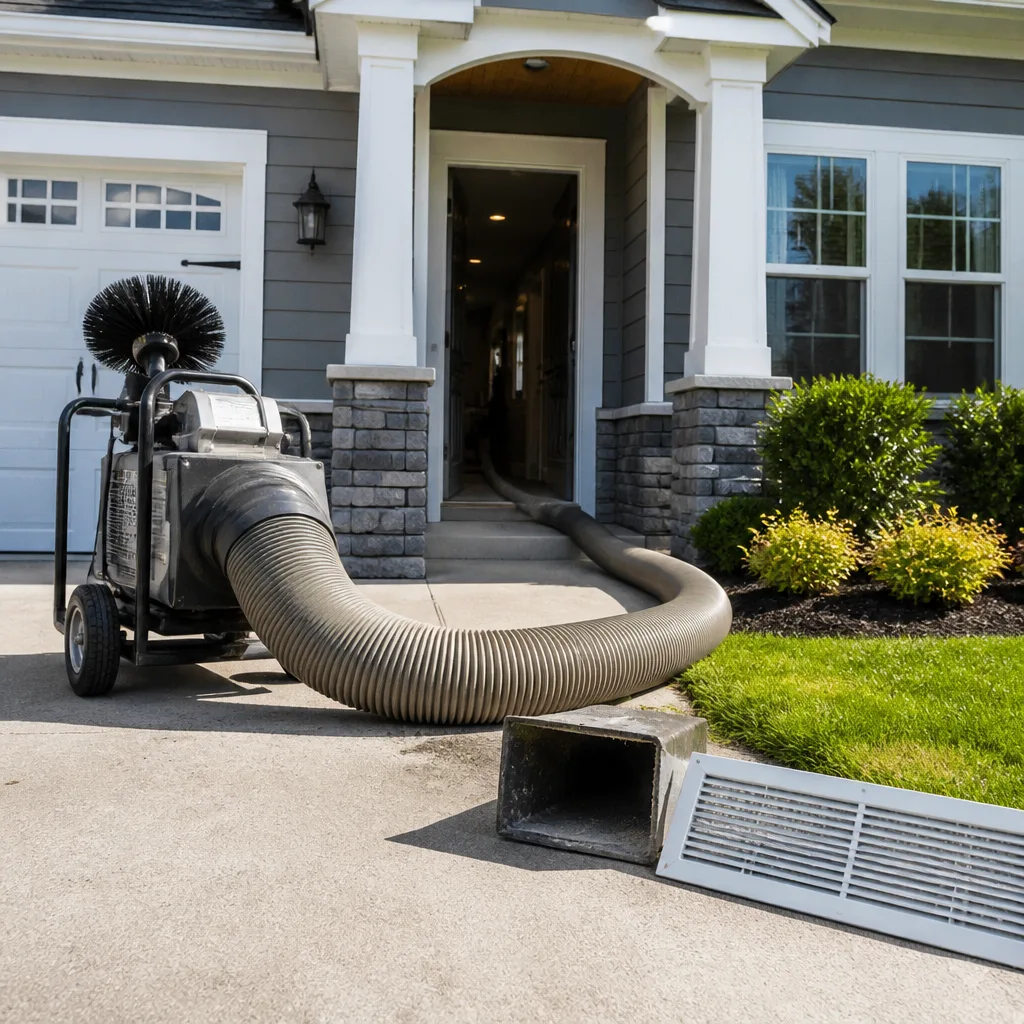 Whole-home duct cleaning
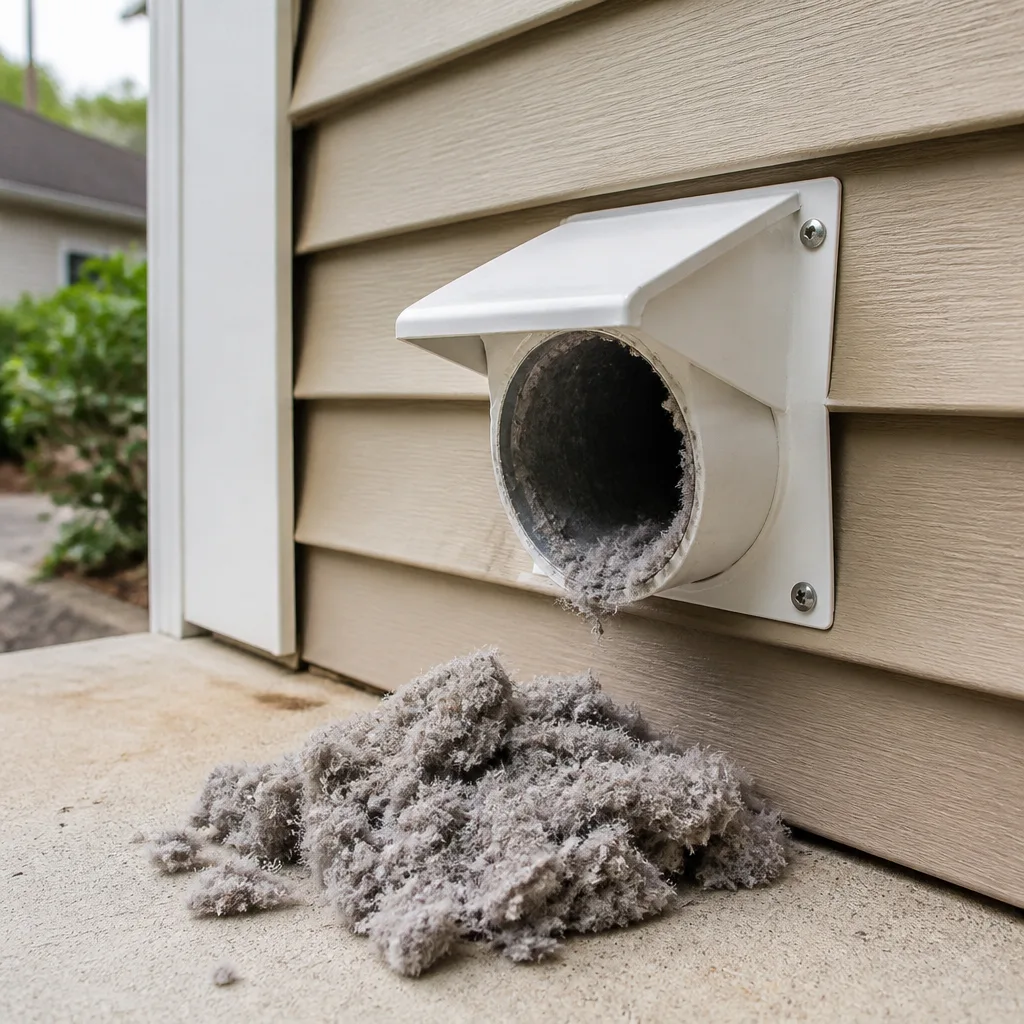 Dryer vent cleaning
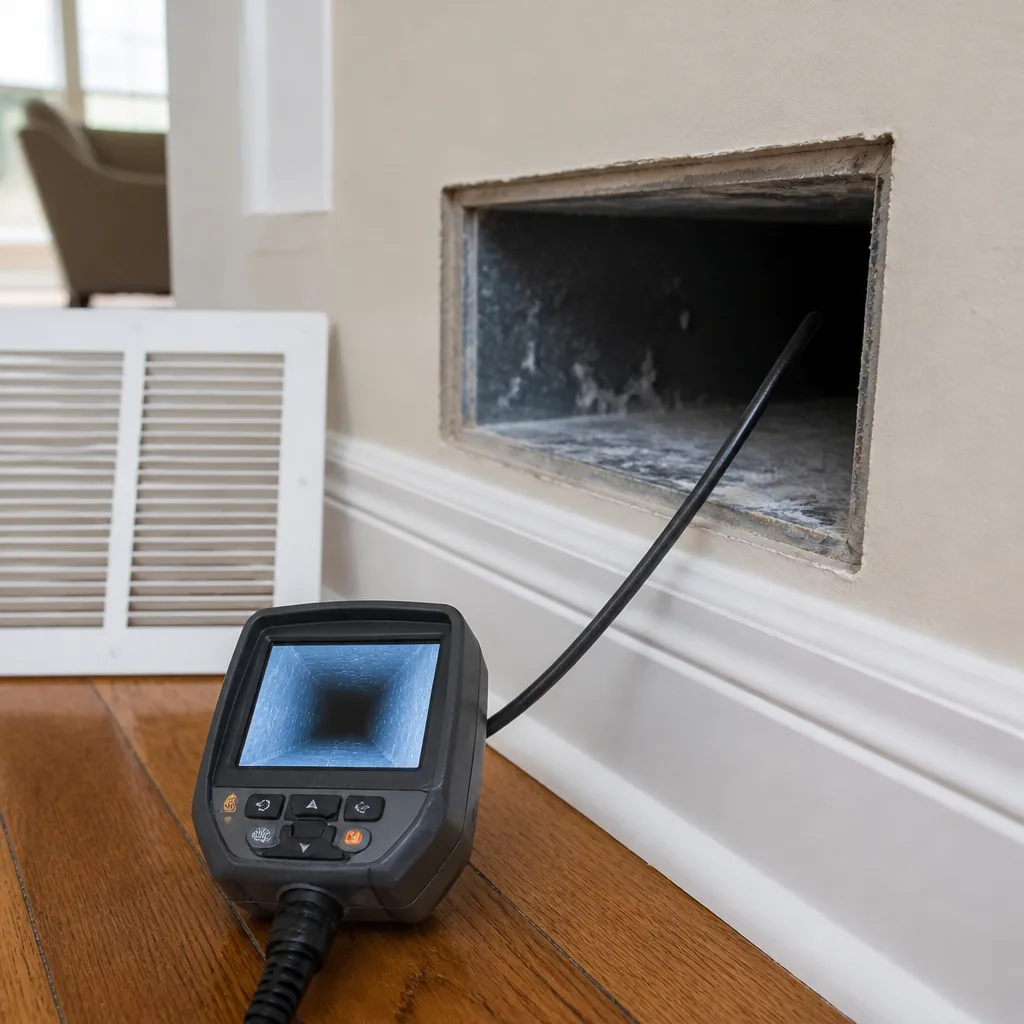 Camera inspection
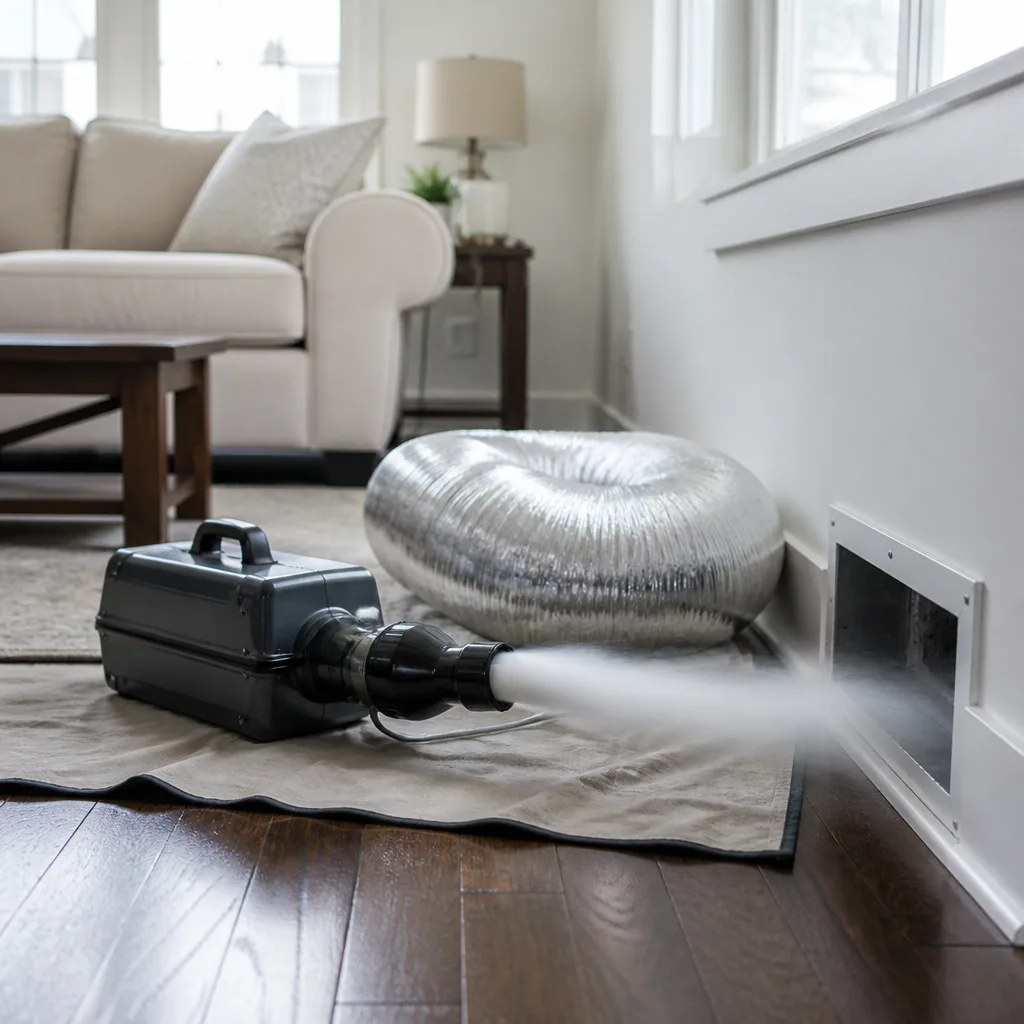 Sanitizing & deodorizing
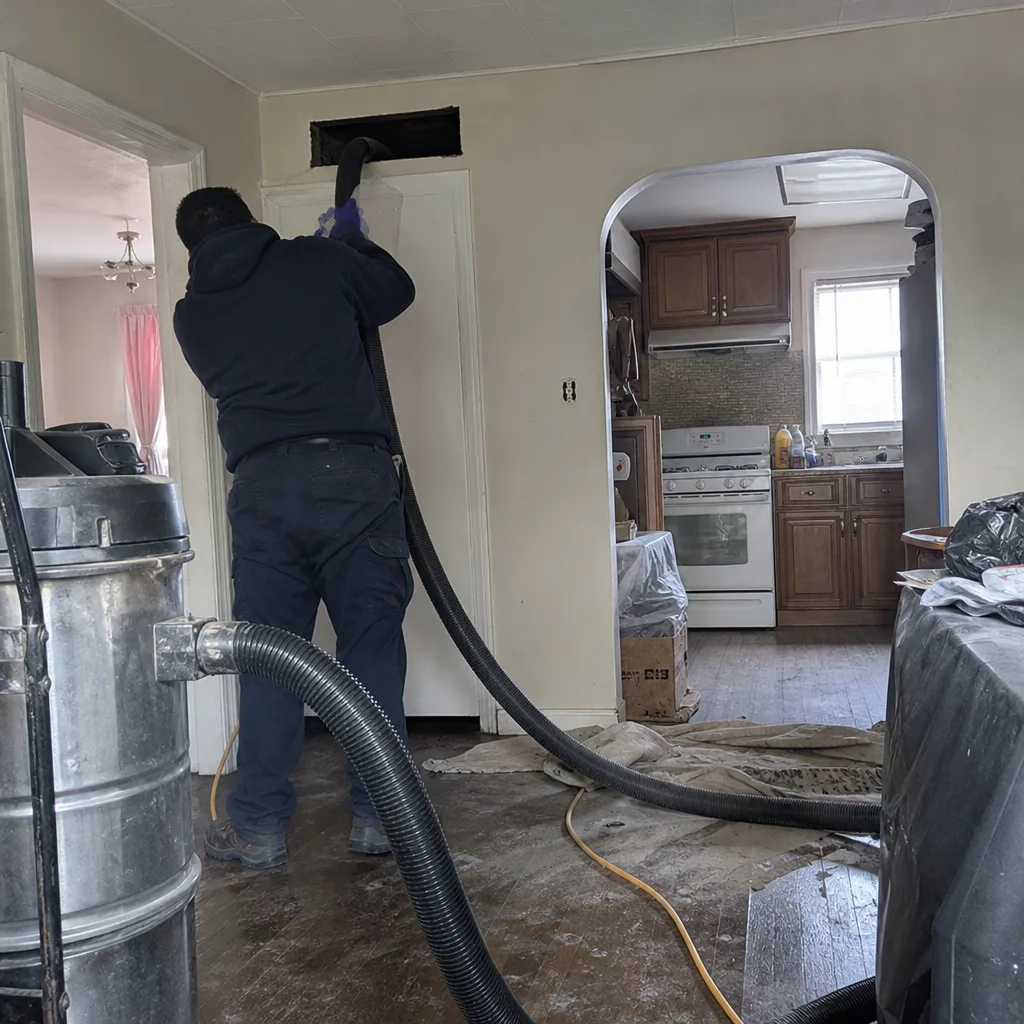
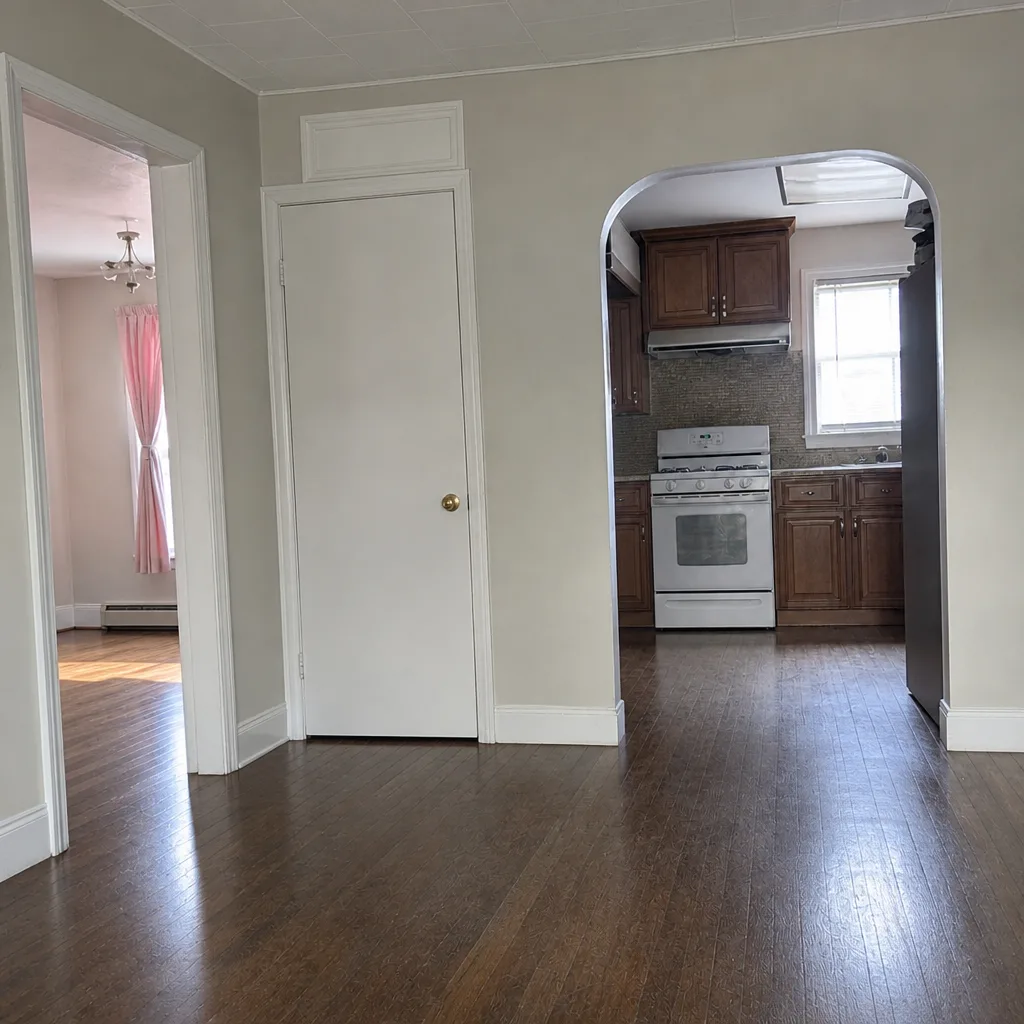
Whole-system duct and dryer vent check with before-and-after photos - you see exactly what came out of your vents
That "$99 whole-house special" is a bait ad - the real number appears once they are in your hallway, or the "clean" is a shop-vac at the register. We photograph the inside of your ducts before and after instead.
Air Duct Cleaning Permits, Codes & Inspections in Bay Ridge, NY: What You Need to Know
Here’s the part most people get backwards: New York City’s building code says almost nothing about the act of cleaning a duct system. You can vacuum, brush, and sanitize the inside of a trunk line without filing a single form. But the moment cleaning reveals a problem that has to be fixed, the regulatory ground shifts under you. A cracked flex run, a disconnected boot behind a register, a fire-damper assembly that no longer seals: these move a project from maintenance into what NYC Mechanical Code §603 calls an alteration, and alterations get permits. This guide walks through where that line sits, what inspectors and buyers actually look for in Bay Ridge, and how to protect yourself before the first technician arrives.
Quick Answer
Routine air duct cleaning in Bay Ridge does not require a DOB permit. Altering, replacing, or sealing ductwork does, and that work falls under NYC Mechanical Code §603. Any contractor touching duct insulation in a pre-1980 Bay Ridge building must first rule out asbestos, which triggers licensed abatement. Ask for a Home Improvement Contractor license check before anyone starts.
Styles & brands we work with
- Whole-home duct cleaning
- Dryer vent cleaning
- Camera inspection
- Sanitizing & deodorizing
Table of Contents
- Where Cleaning Ends and Alteration Begins Under NYC Mechanical Code §603
- When DOB Permits Are Required: Co-ops, Condos, and Single-Family Homes
- Asbestos in Pre-1980 Duct Insulation: How It Changes Everything
- What a Certificate of Occupancy Inspection Looks For in Bay Ridge Home Sales
- How to Verify a NYC Home Improvement Contractor (HIC) License
- Sealing and Repair: The Work That Follows Cleaning
- Questions to Ask Before Signing Anything
- Common Mistakes to Avoid
Where Cleaning Ends and Alteration Begins Under NYC Mechanical Code §603
NYC Mechanical Code §603 governs duct systems that carry conditioned air, and the key word in that section is alteration. Cleaning, as an act, is treated as maintenance. Alteration is anything that changes the physical configuration, capacity, or materials of a duct system. That distinction matters because it decides whether a job needs a DOB filing or walks through as routine service.
In practical terms, here’s how the boundary plays out on jobs across Bay Ridge:
- Cleaning only: rotary brushing, negative-pressure vacuum, sanitizing with products like Guardsman. No filing. Maintenance scope.
- Sealing joints and seams: this is the gray zone. Mastic on accessible seams inside a mechanical closet may read as maintenance to one inspector and alteration to another. Sealing inside a wall chase needs a filing.
- Replacing a length of flex duct: alteration. Permit required, and the replacement must meet the size and material rules of the code.
- Removing or adding a register or boot: alteration. Cutting a new opening in a trunk line is structural work as far as the mechanical code is concerned.
- Replacing a fire damper or smoke damper assembly: alteration, and in some Bay Ridge buildings it also touches fire protection rules that go beyond mechanical code.
The reason this trips people up is that cleaning often reveals the problem. A run of collapsing flex duct behind a soffit doesn’t announce itself until a proper cleaning pulls the obstruction aside and the technician shines a light up the chase. At that point you’re not choosing between “clean” and “don’t clean” any more. You’re choosing between an alteration with a permit and an open violation down the road. Our technicians have up to 15 years of experience and know exactly where the mechanical code stops caring about cleaning and starts caring about what you’re doing to the system.
When DOB Permits Are Required: Co-ops, Condos, and Single-Family Homes
Permit rules for duct work follow the building, not the contract. A single-family home in Bay Ridge with a permitted mechanical system needs a DOB permit for “covered” alteration work just as a co-op does, but the practical path is very different. Here’s how it typically breaks down:
- Single-family homes: an alteration to ductwork that touches layout, capacity, or fire-rated assemblies needs a DOB filing and inspection. Cosmetic sealing and repairs to accessible joints usually don’t. Keep a copy of any filing on hand for future resale.
- Co-ops: your building’s proprietary lease and alteration agreement almost always sit on top of the DOB rules. The co-op board may require an architect’s letter, proof of insurance from the contractor, and its own inspection even if the DOB filing isn’t required. Start with the managing agent.
- Condos: the condominium’s bylaws govern alterations to common-element chases, and a condo board can require DOB filing for duct work inside shared walls even when the owner’s unit alone is affected.
- Multi-family buildings: any duct work that penetrates a rated assembly (fire separations between units, corridor walls, or shaft walls) is treated differently from work entirely within one unit. Fire-rating must be maintained on the sealed penetration, and this is the part most after-the-fact compliance jobs get wrong.
Bay Ridge’s housing stock makes this more complicated than it sounds. A block near Ridge Boulevard or up toward Fort Hamilton Parkway can run from a 1920s brick two-family to a postwar walk-up to a newer six-story co-op within a few doors of each other. Each of those buildings has a different set of plausible requirements, so it’s not a question with one answer for all of Bay Ridge. When in doubt, ask the managing agent and the DOB directly before the contractor touches the ductwork.
Asbestos in Pre-1980 Duct Insulation: How It Changes Everything
Old ductwrap is where a routine cleaning in Bay Ridge can turn into a much bigger project. Duct insulation installed before 1980 has a real chance of containing asbestos, and it’s the material most often disturbed during cleaning. Once it’s identified, the scope is no longer controlled by the mechanical code at all. It’s controlled by asbestos rules, and those require a licensed abatement contractor, a work plan, and a different sequence of who does what.
Here’s what to do if the system was installed before 1980 and no one has tested it:
- Stop the cleaning. Ask the contractor to leave the insulation undisturbed until it’s tested.
- Have a sample taken by a licensed inspector and sent to an accredited lab.
- If asbestos is present, engage a licensed abatement contractor to remove or encapsulate it before any cleaning, sealing, or repair continues.
- Document the abatement with the paperwork you’ll want if the home is ever sold.
- Only after clearance does the duct cleaning and any repair work go forward.
We’ve run into this in plenty of Bay Ridge jobs where a roll of ductwrap was stapled on decades ago and nobody has looked at it since. The material doesn’t cause trouble until someone disturbs it. That’s why professional-grade equipment and a proper inspection before any brush goes in matters more than price. A cleaning that walks the fiber into the airstream is worse than no cleaning at all. A full-system approach – cleaning, sealing, filtration, and service on the surrounding components – is covered on our air duct cleaning page if you want to understand what the job actually involves from start to finish.
What a Certificate of Occupancy Inspection Looks For in Bay Ridge Home Sales
When a Bay Ridge home changes hands, an inspector reviewing the property against its Certificate of Occupancy is looking at the mechanical system as much as the structure. Deferred duct maintenance is one of the things that surfaces, and it usually does so at the worst possible moment: after the contract is signed, when the buyer’s attorney is going down the schedule of representations.
The items that draw attention most often:
- Undocumented alterations. A duct run routed through a wall that wasn’t part of the original plan, or a boot added where the certificate says none exists. Any record of permitless alteration becomes a negotiating item.
- Fire-rating breaches. A penetration through a rated wall or ceiling assembly that wasn’t sealed back to its original rating. Inspectors look for this because it’s a life-safety item.
- Missing or damaged fire dampers. The mechanical code requires them where ducts cross rated assemblies, and an inspection can require restoration before the C of O is issued for an alteration.
- Blocked or disconnected returns. A system that no longer delivers the required airflow to the conditioned spaces can fail the functional check the inspector runs.
- Filtration and equipment mismatch. A furnace installed with a filter rack that doesn’t match the manufacturer’s specification, or a filter jammed in with the wrong orientation and air bypassing it entirely.
None of these problems are hidden from a diligent buyer’s inspector. They come up in Bay Ridge every season where there’s a flurry of sales, and each one is cheaper to fix before the closing than after. Clean ducts, then seal them – the logical one-two that saves the headache. If the HVAC side of the system hasn’t been looked at in years, it’s worth having the whole air pathway gone through instead of just the ducts. See HVAC cleaning for what a full mechanical-side service involves.
How to Verify a NYC Home Improvement Contractor (HIC) License
New York City requires any contractor doing home improvement work on a one-to-four family home to hold an HIC license, and duct cleaning sits inside that definition. The license protects you from unpermitted work, vanished contractors, and disputes that end up back on your doorstep. Verifying it takes about five minutes.
- Ask the contractor for the HIC license number in writing before anything else.
- Look the number up in the NYC Department of Consumer and Worker Protection (DCWP) online license search.
- Confirm the business name and address match what’s on the estimate.
- Ask for a Certificate of Insurance – general liability and workers’ compensation – issued to the business doing the work.
- Call the insurance carrier to confirm the policy is current; do not trust a photocopy alone.
- For any alteration work, ask which licensed professional will pull the DOB permit and whether the contractor has done it before.
This check matters even for “just cleaning.” A contractor without a license is often a contractor without insurance, and a worker injured inside your duct chase is a liability question you don’t want to be answering yourself. Bay Ridge cooperatives and condo boards almost always require this paperwork as part of the alteration agreement, so having it ready is a small step that smooths everything downstream. We connect homeowners with independent local professionals who are licensed and insured as their state and city require. We answer 24/7 – (877) 938-5572.
Sealing and Repair: The Work That Follows Cleaning
Cleaning is where the process starts, not where it ends. Sealed, repaired ductwork holds the cleaning result in place and stops the same contaminants from migrating back through leaks and disconnects a few months later. It also keeps the HVAC from losing conditioned air into a soffit or crawlspace, which is the quieter problem most people never notice because the room still feels the same until the bill arrives.
The repair work that typically follows a cleaning on a Bay Ridge system:
- Reconnecting dislodged boots and collars. Flex duct that has pulled away from a register boot at the joint is a common find, and reinstalling it properly takes a real fastener and mastic, not tape.
- Sealing trunk and branch joints with mastic or UL-listed tape rated for HVAC systems. Duct tape is not, despite the name.
- Replacing collapsed or crushed flex runs. Flex duct that has been stepped on or pinched in a chase can’t be cleaned back to usefulness once it’s compressed.
- Restoring fire-rated penetrations where a run has been shoved through a rated wall without a listed firestop or damper assembly.
- Filter and filtration upgrades. We supply and install Honeywell and Aprilaire filtration components so the replacement is sized to the system’s static pressure, not picked off a shelf and stuffed into a filter rack.
Sealing often needs a permit in the cases we covered above, and the permit is not a bureaucratic add-on. It’s the record that the work was done to a standard an inspector can verify. On the exhaust side, dryer vent cleaning is the same conversation about the safety half of the system: lint buildup inside a dryer duct is a documented fire risk, and keeping it clean is cheap insurance compared with what a fire does to a home. Both ends of the air pathway get the same care on our jobs.
Questions to Ask Before Signing Anything
The single best defense against unpermitted work is a set of concrete questions asked before the estimate is signed. These are the ones worth putting in writing, and not settling for a verbal answer.
- Are you licensed and insured? Ask for the HIC license number and the current insurance certificate.
- What equipment are you using? Professional-grade rotary brush and negative-air machines (Rotobrush, Nikro, and containment-grade filtration like Abatement Technologies) are the standard. A shop vacuum and a hose is not.
- Will you touch duct insulation that could contain asbestos? If the answer is anything other than “we’ll test before we disturb it,” stop.
- Does anything in this job require a DOB permit? Ask the contractor to spell out which parts are cleaning, which parts are alteration, and who pulls the permit if one is needed.
- How will you show me the before and after? Before-and-after photos of your own ducts, not stock images.
- Is the price per system or per vent? Get a written estimate with a single flat price for the system before work begins. Bait-and-switch pricing is the classic problem in this trade.
- If the co-op board needs paperwork, can you provide it? The alteration agreement, insurance certificate, and W-9 usually need to be filed as a package.
A contractor who can’t answer these cleanly is telling you something. Air Duct Cleaning Bay Ridge works with a five-service menu that covers cleaning, sealing, repair, filtration, and air quality so the answer to “who handles it if the cleaning reveals a problem” is right there. That full air pathway approach is how the job is meant to be scoped in the first place.
Common Mistakes to Avoid
- Assuming “cleaning” is always permit-free. The moment a run gets replaced, a register sealed inside a wall, or a boot cut in, the DOB wants a filing. Ask before the work starts, not after.
- Skipping the asbestos question on pre-1980 insulation. Bay Ridge has a lot of older ductwrap still in place, and disturbing it without testing is the single fastest way to turn a $500 job into an abatement project.
- Hiring on price alone with no license check. A coupon price from an unlicensed contractor is a bet you don’t want to take on a mechanical system attached to your home.
- Accepting a per-vent quote. Per-vent pricing is how a low estimate becomes a much larger invoice. Ask for one flat price per system.
- Ignoring the co-op board or managing agent. In a Bay Ridge co-op, a DOB-permitted alteration can still violate the alteration agreement if board paperwork is skipped.
- Cleaning without sealing. The same leaks that let contamination in will let it back in. Cleaning alone is a temporary fix on a system that needs repair.
- Letting the duct system ride until a C of O inspection. Discovering a deferred duct problem during a sale means negotiating from a weaker position; keeping up with cleaning, HVAC service, and small repairs avoids that.
See the difference
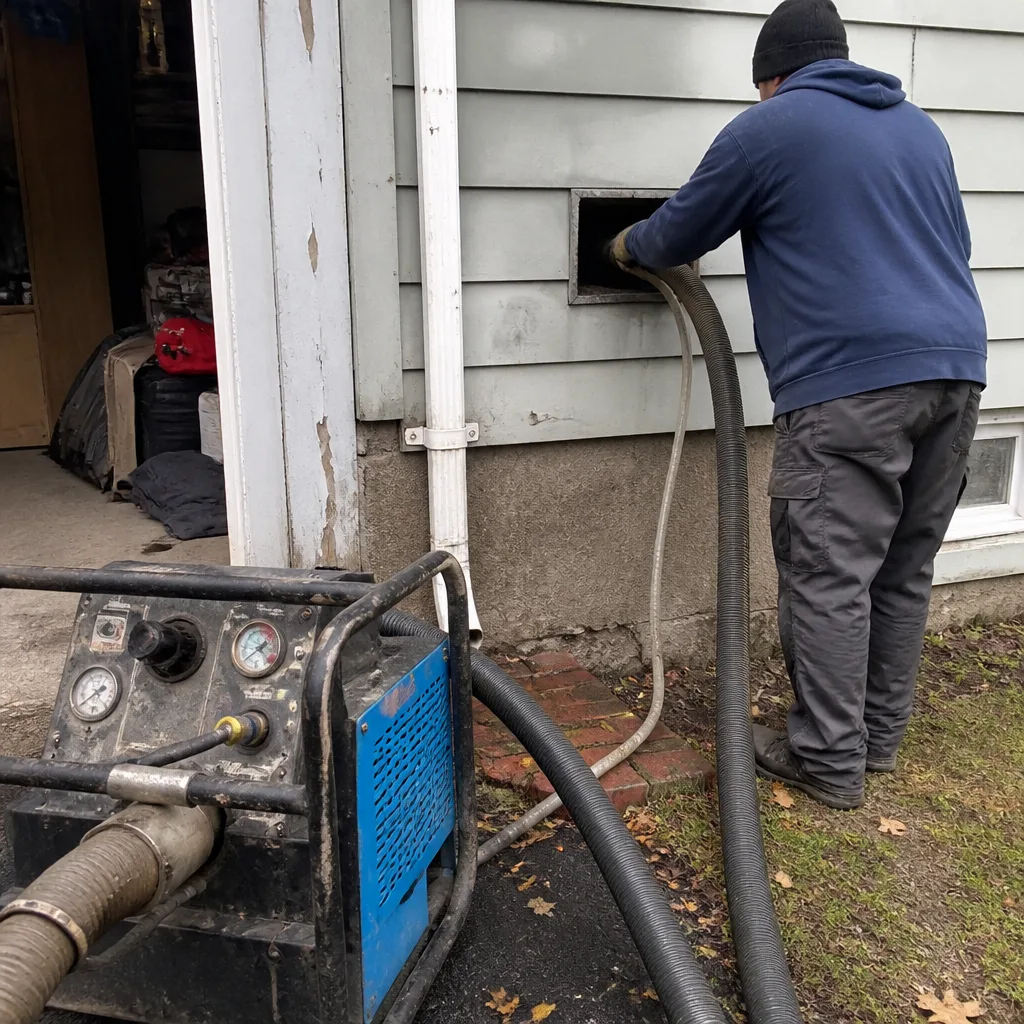 Before
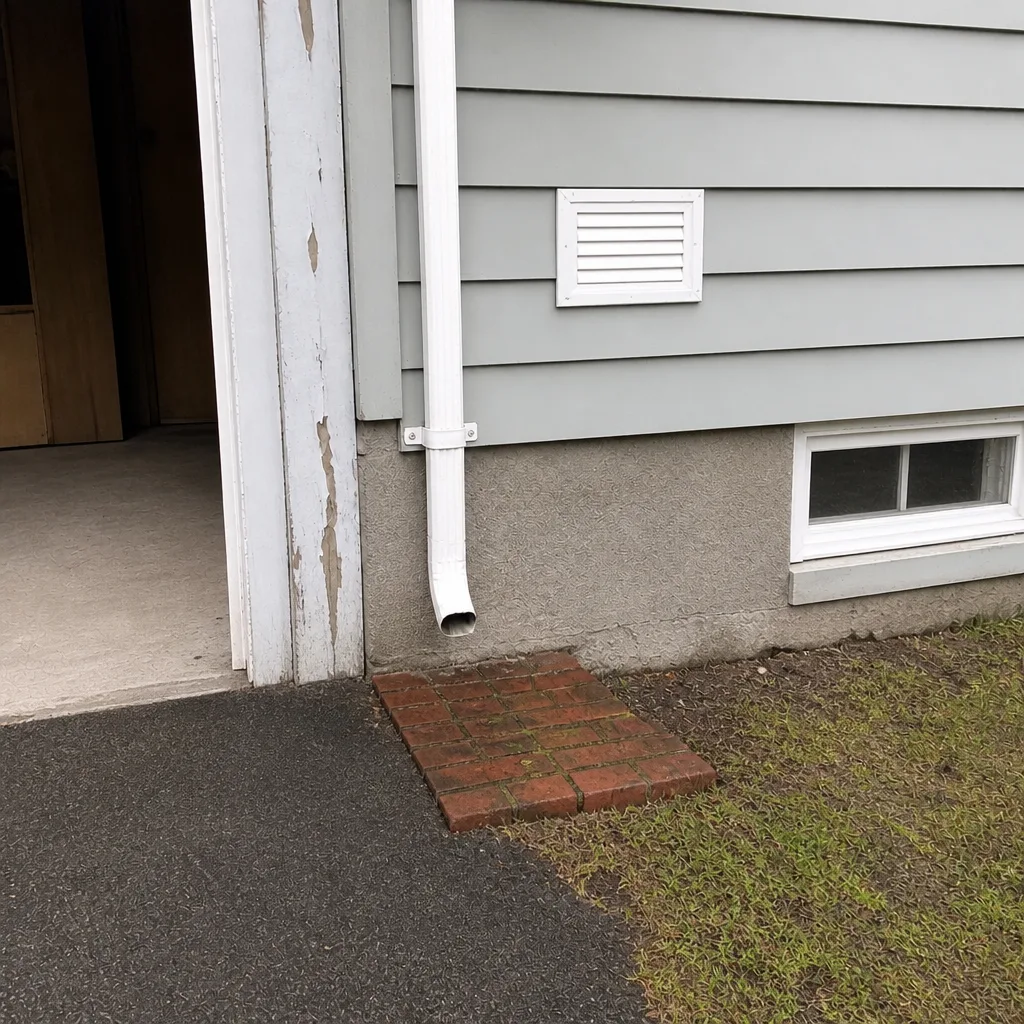 After
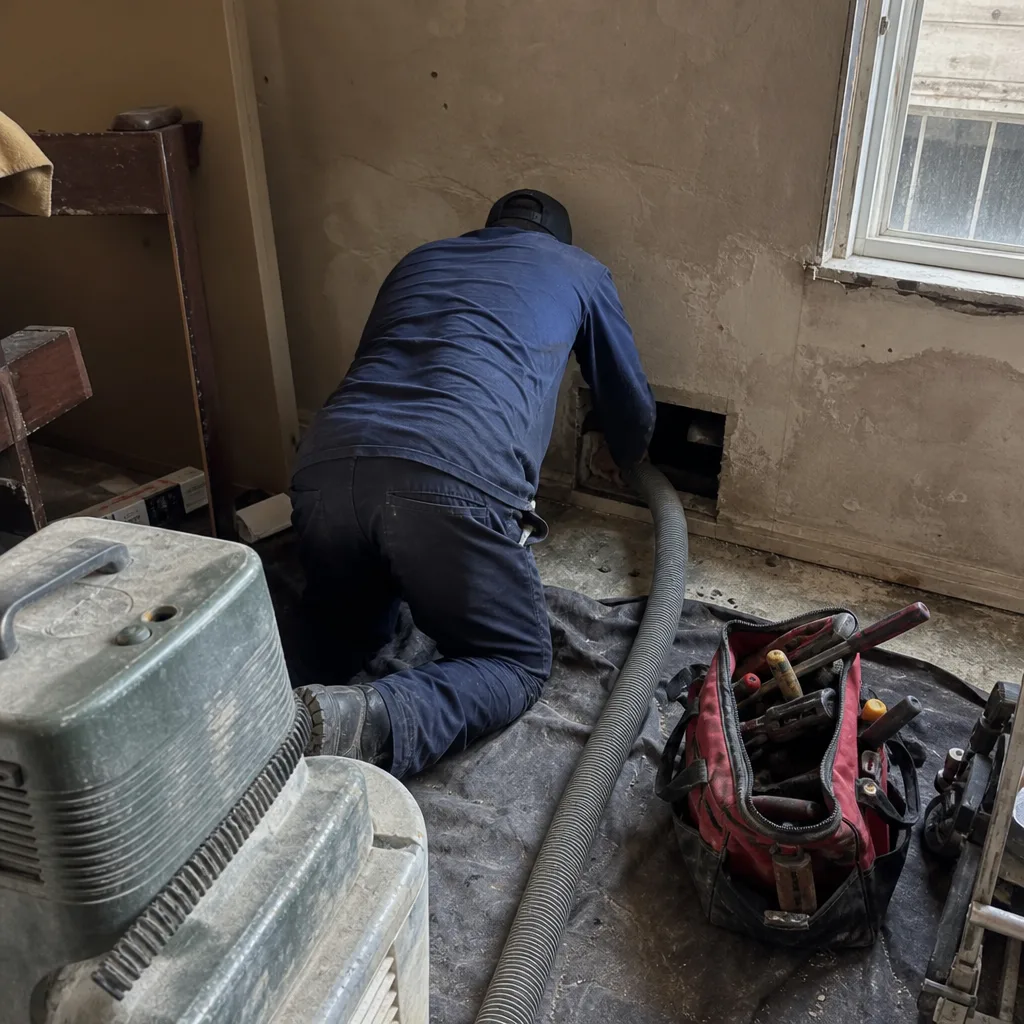 Before
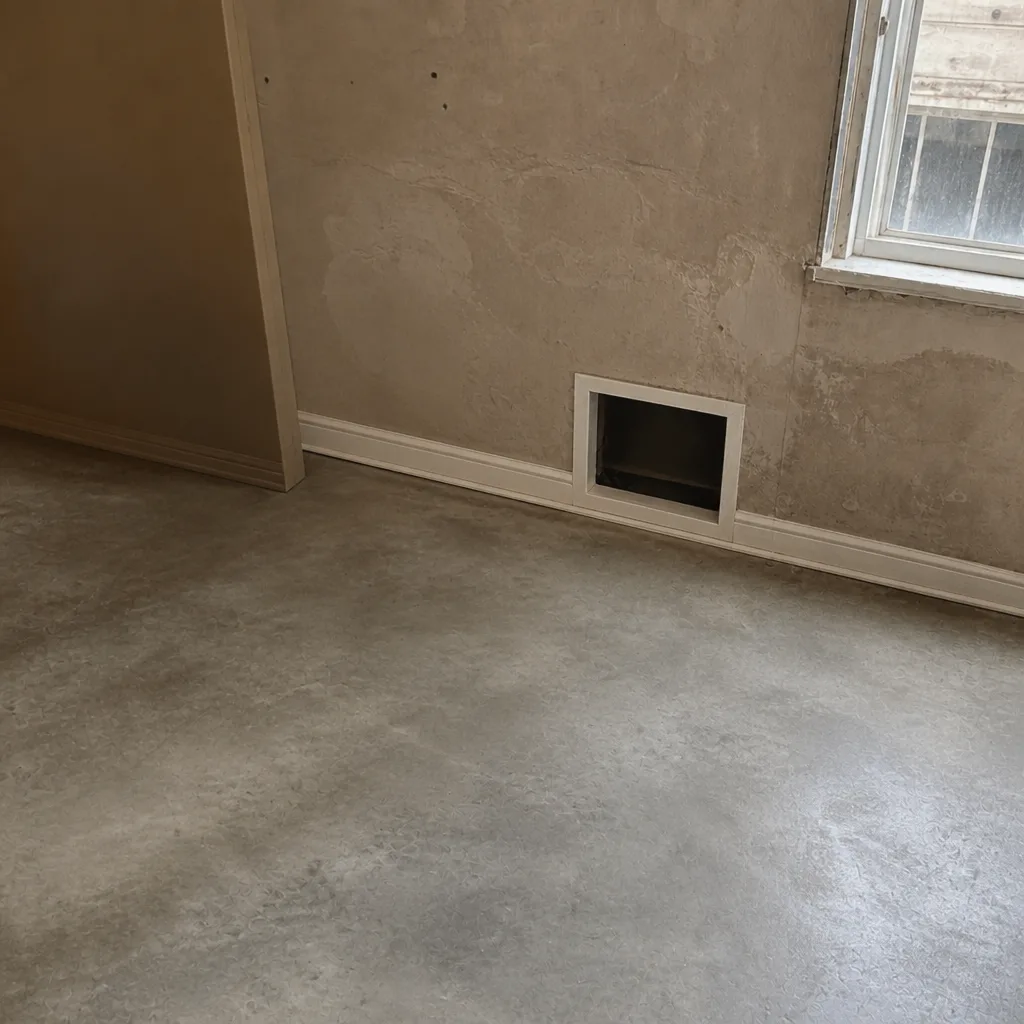 After
 Before
 After
When to Call a Professional
Some situations call for a professional immediately. A musty or smoky smell coming from a register when the blower runs. Visible dust or debris blowing into a room after a filter change. A renovation that produced drywall dust and the system running at the time. Visible sagging flex duct behind a ceiling panel or a doorframe. A dryer that takes two cycles to dry a load. An HVAC system that hasn’t been serviced in years and might be hiding disconnected runs. Any of these is a reason to get eyes on the system rather than guessing at a filter swap. Air Duct Cleaning Bay Ridge offers free estimates in Bay Ridge. Call (877) 938-5572 to book one, or contact us through our Air Duct Cleaning Bay Ridge home page for the full list of services. We answer 24/7. Fast dispatch from 7am to 7pm, Sunday through Friday, closed Saturday.
Frequently Asked Questions
No. Cleaning itself is treated as maintenance under NYC rules and doesn’t need a DOB permit. Altering, replacing, or sealing ductwork is treated differently and generally does require a filing under NYC Mechanical Code §603. Call (877) 938-5572 for an exact quote on your specific system – estimates are free.
In most Bay Ridge cases, yes. Replacing a run of flex duct is an alteration under §603 and needs a DOB filing. Ask the contractor which licensed professional is pulling the permit before work continues. Call (877) 938-5572 to have the scope talked through on your specific job.
You don’t until it’s tested. Duct insulation installed before 1980 in this neighborhood has a real chance of containing asbestos, and no contractor should disturb it before testing confirms what it is. If asbestos is present, a licensed abatement contractor has to remove or encapsulate it before any cleaning or repair work.
Undocumented alterations, fire-rating breaches at duct penetrations, missing fire dampers, disconnected returns, and filtration mismatches. Any of these can hold up a closing or become a negotiating item on a Bay Ridge sale. Getting the system serviced and documented ahead of a sale is cheaper than fixing it under contract pressure.
Yes. NYC requires an HIC license for home improvement work on one-to-four family homes, and cleaning falls inside that definition. If a worker is injured inside your home, an unlicensed contractor leaves you answering the insurance question yourself. Call (877) 938-5572 to confirm licensing and insurance before booking.
The honest answer is that it depends on the system and how it’s used. Homes with pets, recent renovations, allergy-sensitive occupants, or a system that hasn’t been serviced in years usually need it sooner than a clean, well-filtered home does. Visual inspection of the return and a few registers is the fastest way to judge; call (877) 938-5572 to have that inspection scheduled.
The Bottom Line
Cleaning a duct system is a maintenance act in NYC. Altering, sealing, or replacing one is regulated work under NYC Mechanical Code §603, and it requires a permit in the situations this guide covered. Any duct insulation older than 1980 in Bay Ridge has to be tested for asbestos before it’s disturbed, and any licensed professional touching it needs to know the HIC and DOB rules cold. Verify the contractor, ask who pulls the permit, and get a single flat price per system in writing before anyone starts. Where the cleaning ends and the alteration begins is the boundary that costs homeowners real money when they don’t see it – and the questions in the previous section are how you make sure you do. For the full-system service that covers both ends of that boundary, our cleaning, sealing, and repair work is the place to start.
Air Duct Cleaning Bay Ridge offers free estimates throughout Bay Ridge. Call (877) 938-5572 to book one. We answer 24/7. Fast dispatch from 7am to 7pm, Sunday through Friday, closed Saturday. Before-and-after photos of your own system are part of every job, the written estimate sets the final price, and the local pro we connect you with is licensed and insured as their city and state require.
Written by the team at Air Duct Cleaning Bay Ridge.