
Last updated November 22, 2026
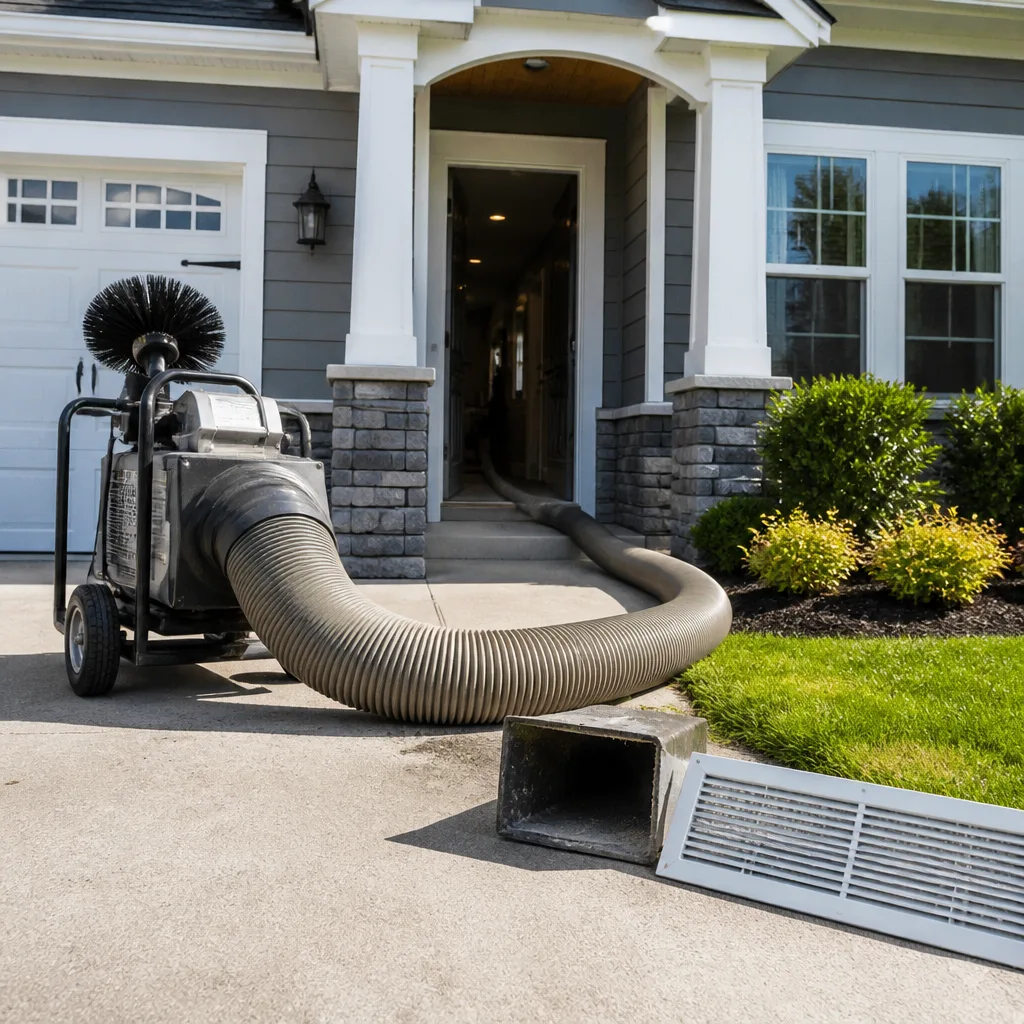 Whole-home duct cleaning
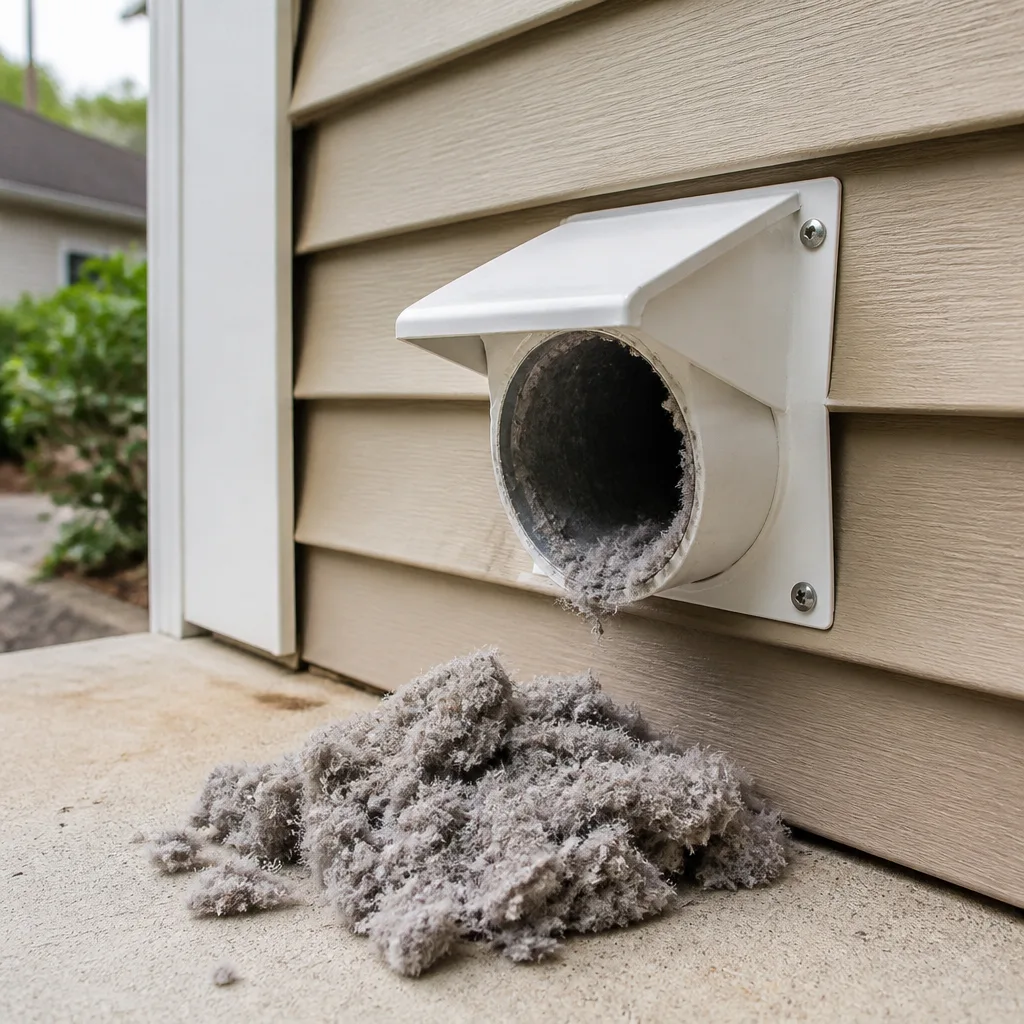 Dryer vent cleaning
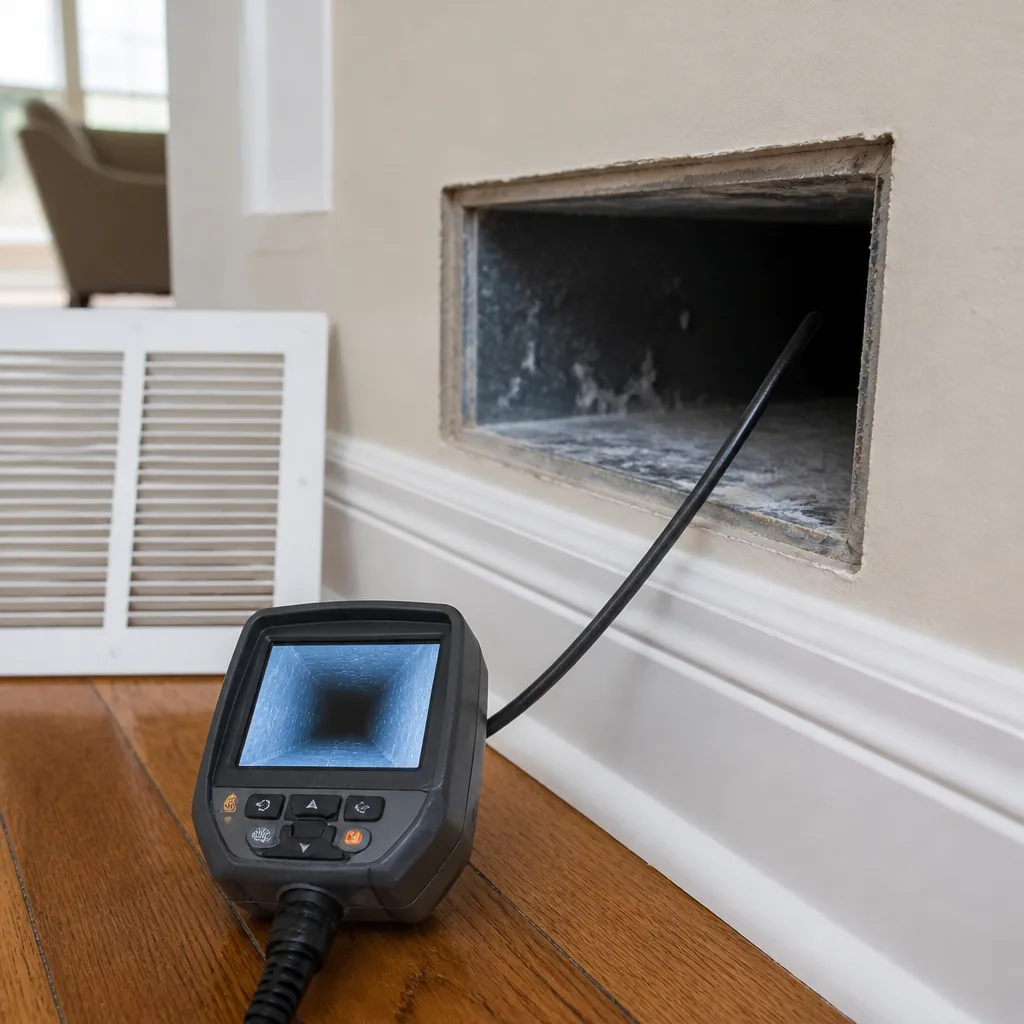 Camera inspection
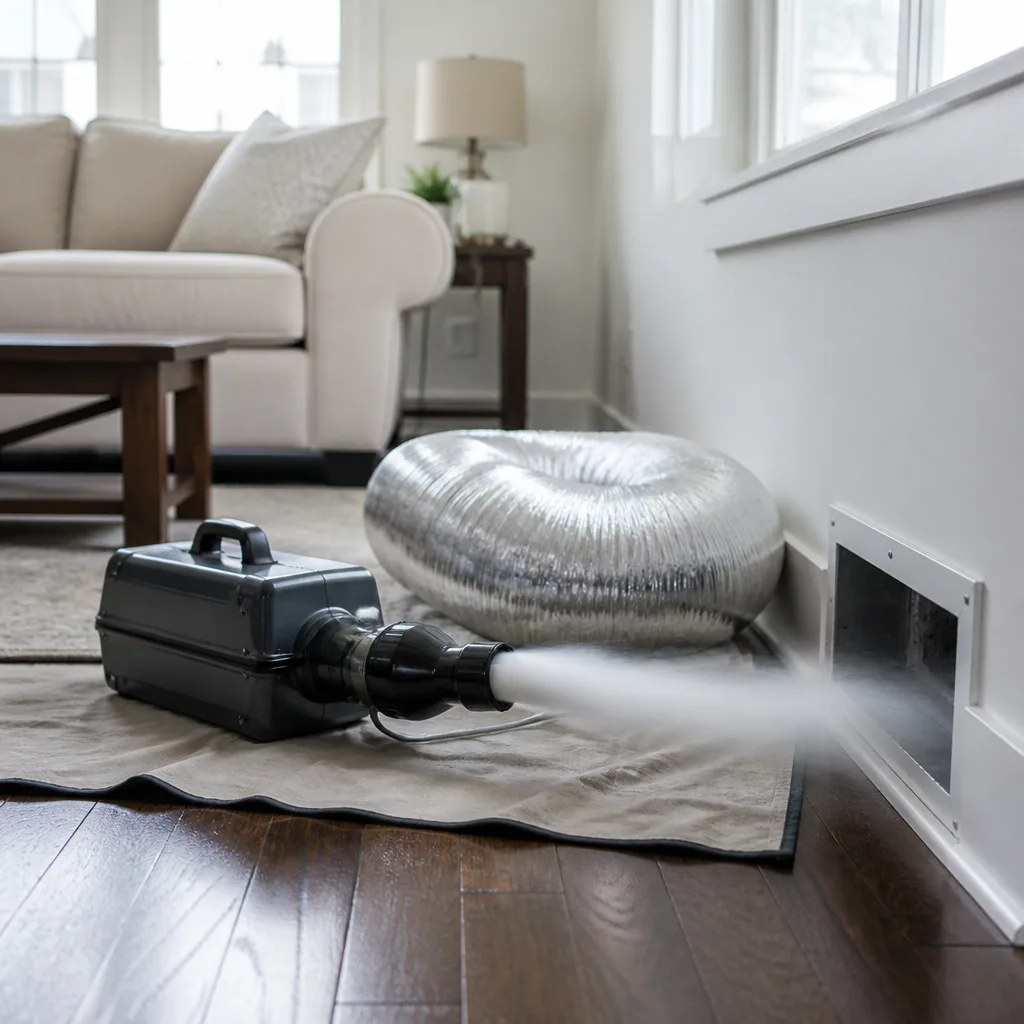 Sanitizing & deodorizing
Whole-system duct and dryer vent check with before-and-after photos - you see exactly what came out of your vents
That "$99 whole-house special" is a bait ad - the real number appears once they are in your hallway, or the "clean" is a shop-vac at the register. We photograph the inside of your ducts before and after instead.
Air Duct Cleaning Maintenance Checklist for Bay Ridge Homeowners
Most duct cleaning checklists tell you to change your filter every 90 days. That’s a packaging recommendation, not an engineering one. In a Bay Ridge apartment sitting above a truck route, on a block where the windows face the expressway, 90 days is often three times too long. A maintenance checklist isn’t a cleaning schedule at all. It’s an observation system, a set of small things you look at and write down so you know what’s happening inside your ductwork between professional visits. This guide walks you through that system: five-minute register checks, filter choices built around Bay Ridge’s actual particulate load, seasonal markers, and a simple log a technician can read as a trend instead of a snapshot.
Quick Answer
A good air duct maintenance checklist for a Bay Ridge homeowner has four parts: a quick visual and smell check at every register once a month, filter changes timed to real particulate loading rather than a calendar, seasonal inspections before winter heat startup and after the humid summer, and a written log of what you see so a technician can spot changes over time. Everything else – deep cleaning, sealing, sanitizing – belongs to a professional with the right equipment.
Styles & brands we work with
- Whole-home duct cleaning
- Dryer vent cleaning
- Camera inspection
- Sanitizing & deodorizing
Table of Contents
- Why a Checklist Beats a Schedule
- The 5-Minute Register Check
- Choosing the Right Filter for Bay Ridge Air
- Seasonal Checkpoints for Bay Ridge’s Climate
- How to Log Observations Like an Engineer
- The Three Tasks You Can Legitimately Do Yourself
- Treating the Full Air Pathway, Not Just the Ducts
- What a Professional Checklist Adds That Yours Can’t
Why a Checklist Beats a Schedule
A calendar tells you when the last cleaning was. It says nothing about what’s happening now. Two homes on the same Bay Ridge block can have wildly different duct conditions: one faces the street and takes the bulk of road dust, the other faces an interior courtyard and runs a window AC all summer that never touches the ducts at all. A fixed schedule treats them the same. Observations don’t.
That distinction matters more here than in a lot of places. Bay Ridge has a dense mix of pre-war walk-ups, mid-century co-ops, and older two- and three-family houses. Duct systems vary widely between them – some are short and tight, some are long runs with elbows and transitions that trap dust, some have been retrofitted over the years by more than one contractor. When a system is complex, a snapshot tells you almost nothing. A trend tells you a lot.
The checklist we walk through below is built around that idea. You’re not maintaining the ducts yourself. You’re maintaining the record that lets a professional make the right call when they arrive. Here’s the frame:
- Observe once a month at each register. Look, smell, wipe.
- Write it down in a simple notebook or notes app, dated.
- Change filters based on what the filter looks like, not just the package.
- Check seasonally before heat startup and after the humid season.
- Hand the log to the technician, not just the address.
That’s the whole system. The rest of this guide is detail. For the deeper service picture, our Air Duct Cleaning Bay Ridge page covers how a full professional visit works and what equipment gets used inside the system.
The 5-Minute Register Check
You can catch most developing problems at the register, before they spread into the trunk lines. The register is the one part of the system you can see without opening anything. Do this once a month, and it takes about five minutes for a typical Bay Ridge apartment.
Here’s the sequence, register by register:
- Look at the grille. Dust is normal. A uniform gray film that builds back within a couple of weeks after you wipe it is not – it usually means the system is moving more particulate than it should.
- Wipe the inside lip with a white paper towel. Gray is ordinary dust. A dark, greasy smudge can point to soot or cooking vapor. Black specks or a dusty film that looks like graphite often point to insulation breakdown on the inside of the duct.
- Smell. Get close and inhale. Musty, earthy, or damp-basement smell is the classic sign of biological growth somewhere down the line. A sharp chemical smell can indicate a refrigerant issue in the equipment, not the ducts – call an HVAC tech for that.
- Look for pests. Small droppings, insect casings, or a faint scratching sound when the system runs. Rodents use duct runs as highways in older Bay Ridge buildings, and it happens more in cold months.
- Check airflow with the back of your hand. Hold it a few inches from the grille with the system on. Compare registers. A noticeably weak one usually means a disconnected duct, a crushed flex run, or a closed damper, not a dirty system.
- Note the date and what you saw. Short entry. “Nov 4, bedroom register, musty smell, dark speck on wipe” is enough.
What you’re watching for specifically: biological growth (damp smell, dark damp patches), pest intrusion (droppings, casings, gnaw marks), and insulation breakdown (black graphite-like dust on the wipe). Each of those is worth flagging to a professional before it spreads into the runs you can’t see.
Choosing the Right Filter for Bay Ridge Air
MERV ratings only mean something when you match them to the pollutant types actually present. Bay Ridge’s air has a real particulate load from traffic on the thoroughfares, seasonal pollen, and the ordinary dust of dense multifamily buildings. That changes the filter math.
Here’s how the ratings map to pollutants you’ll actually encounter here:
- MERV 5-7: Captures large dust, lint, and pollen. Fine for the cheapest filter at the hardware store. Doesn’t capture much of what a truck route throws at you.
- MERV 8: The practical floor for most Bay Ridge homes. Captures most pollen, mold spores, and cement dust from the constant construction around the neighborhood.
- MERV 11-13: Captures fine particulates including diesel soot and the smallest mold spores. Better for homes near the expressway or a truck route, or where someone in the household has asthma or allergies.
- MERV 16 and above: Hospital-grade. In most residential systems, this restricts airflow enough to strain the blower. Only use if your equipment is rated for it.
The filter packaging recommends 90 days. Ignore that as a starting point and check the filter itself. Pull it out, hold it up to a light. If it’s noticeably gray from the edges inward, it’s done. In a Bay Ridge apartment facing a main street, that can be every four to six weeks during high-traffic periods. For a quieter block, a MERV 8 might last a full season. For a new filter to actually work, the system also needs a filter slot that seals – a loose-fitting filter lets air slip past and defeats the rating.
If you want to go past a standard filter, HVAC cleaning is where a professional can address the coil and blower that a filter can’t protect, and where we can discuss the case for upgrading to a Honeywell or Aprilaire filtration setup in the same system.
Seasonal Checkpoints for Bay Ridge’s Climate
Bay Ridge has the classic Northeast swing: a hot, humid summer that puts moisture into the walls and duct surfaces, and a cold winter with the heat running hard for months. Those two transitions are when problems surface. Here are the specific checkpoints.
After summer humidity season (late September to early October)
This is the most important check of the year. Humid summer air pushes moisture into unconditioned ductwork, especially in older buildings where ducts run through walls and crawl-like interstitial spaces. What to look for:
- Damp, musty smell at registers that wasn’t there in June.
- Visible condensation on the outside of exposed ductwork in a basement or utility closet.
- Rust stains or water marks around a register.
- Any dark spotting on the inside of a register boot – that’s a call-a-professional situation.
If the smell is present, ask for a professional inspection before winter. Biological growth doesn’t go away when the heat comes on. It just dries out and starts blowing spores.
Before winter heating startup (mid-October)
Do this checklist in the week before you turn the heat on for the season:
- Replace the filter, whatever its age.
- Run the system for five minutes on low and do a smell check at each register.
- Confirm airflow is even across registers – a sudden weak one means a problem that developed during the AC season.
- Listen for rattles or whistling at the air handler or furnace closet.
- Check that no register is blocked by furniture you moved for summer cooling.
Winter check-ins (December through March)
Once a month. Focus on pests (cold pushes rodents indoors) and overheating smells. A hot, dusty smell in the first weeks of heat is normal – settled dust burning off. A persistent burning or plastic smell is not; shut the system off and call an HVAC tech.
Spring (April)
Post-heat-season check: inspect the filter again, look for pollen loading on the return grille, and note any new symptoms before the AC season. This is the natural window for scheduling a full professional cleaning if the year’s observations point to it.
How to Log Observations Like an Engineer
A contractor arriving for the first time sees one snapshot. A contractor arriving with six months of your notes sees a trend, and a trend tells them where to look and whether a problem is new or chronic. This is the single most valuable thing you can do as a Bay Ridge homeowner, and almost no one does it.
The log doesn’t have to be fancy. A notebook stapled inside the utility closet door works. A notes app works. What matters is consistency and these four fields per entry:
- Date. Exact.
- Location. Which register, which room, which floor.
- Observation. Short. Color of the wipe, strength of the smell 1-5, airflow weak-normal-strong.
- Action taken. Filter changed, register cleaned, nothing.
Two things make a log genuinely useful to a technician. First, add a photo when something looks off – a phone photo of the wipe or the register interior takes ten seconds and gives a technician a baseline. Second, note the weather or season in a one-word tag (“humid,” “first heat,” “post-construction”). Over a year, that tag column shows whether the musty smell is a summer pattern (moisture) or year-round (something else).
When a professional arrives, hand them the log. They can compare against their own inspection and tell you whether the pattern points to a cleaning, a sealing job, or just a filter change. On a first visit, they may also run a camera through a main trunk line to verify what your log is pointing at. That’s how observations turn into a plan.
The Three Tasks You Can Legitimately Do Yourself
Most of what goes on inside ductwork is a job for professional equipment. But three tasks are yours to do, they don’t void any equipment warranty, and skipping them makes the professional job harder and more expensive when it does come due.
- Change the filter on a real schedule. This is the whole reason filter maintenance exists. A dirty filter loads the blower motor, wastes energy, and lets dust settle into the return plenum. Get a filter that fits snugly, note the size on the inside of the air handler door, and check it every four to six weeks in a busy Bay Ridge building. This is the single highest-leverage thing in the guide.
- Vacuum the register grilles and the visible boot. Use a brush attachment on a household vacuum and work at the slats and the small lip of duct you can see. This is surface maintenance only – it does not clean the duct interior and doesn’t pretend to. It does cut down on dust that would otherwise ride into the room on the next cycle.
- Clear the return path and the equipment closet. Don’t block return grilles with furniture, curtains, or stored boxes. Keep the air handler or furnace closet clear of paint cans, cleaning supplies, and seasonal storage. Restricted return air strains the system and pulls dust through every gap it can find, including cracks in the ductwork that a professional would otherwise seal.
What’s not on this list: anything that reaches into the duct runs, any rotary brush tool sold for homeowner use, any spray marketed as “do-it-yourself duct sanitizer,” and any attempt to open the air handler. Those are where DIY goes wrong. The system is under negative pressure and dust that gets loosened without a proper vacuum setup spreads to every room. Leave the interior work to professional equipment.
Treating the Full Air Pathway, Not Just the Ducts
The most common mistake we see on a first visit is treating the ducts as an isolated component. They aren’t. Air enters through the return grille, runs through the air handler and filter, gets pushed through the supply trunks and branches, and eventually exits the home – through the register, through a bath fan, or through the dryer vent. A maintenance checklist that stops at the supply register misses half the system.
That’s why we run five connected lines of work rather than one. Cleaning ducts without addressing the rest is like mopping the kitchen floor without turning off the leak. Here’s how the picture fits together:
- air duct cleaning handles the trunk lines, branches, and registers using rotary brush and high-powered vacuum systems built for the job, not improvised tools.
- dryer vent cleaning tackles the other exhaust path in your home, and it’s the one most HVAC-only contractors skip. Lint buildup in a dryer vent is a documented fire risk, and it has nothing to do with duct cleaning but everything to do with the air pathway.
- HVAC cleaning and coil cleaning keep the equipment itself from recontaminating the air the ducts deliver.
- Duct repair and sealing close the leaks that let dust and moisture back in after cleaning. Cleaning without sealing is temporary.
- Air quality and sanitizing finishes the job with an appropriate treatment, and adds filtration or humidity control with Aprilaire and Honeywell equipment where the system needs it.
Two pieces of equipment anchor that work. Rotobrush systems handle the rotary brush and vacuum cycle inside the ducts. Abatement Technologies air filtration equipment runs during the job to capture dislodged contaminants rather than let them recirculate into the room. Those two together are why a professional visit looks different from a coupon cleaning: the equipment is doing containment work, not just agitation. Guardsman products show up in sanitizing treatments where the situation calls for them.
What a Professional Checklist Adds That Yours Can’t
Your checklist catches what’s visible. A professional checklist catches what’s not. Three things separate the two:
- Camera inspection. A small camera run into trunk lines shows conditions your register check can’t reach. This is how a technician confirms a musty smell is coming from one branch and not the whole system.
- Containment. Professional vacuum and filtration equipment keep dislodged dust from spreading into living space during the cleaning. That’s the difference between “cleaned” and “stirred up.”
- Sealing and documentation. A professional job ends with before-and-after photos of your own ductwork, so you can see what was actually done. A legitimate technician will show you.
If you’re building the checklist habit, this is the natural companion: watch for the moments where the log points toward a professional visit. Three or more symptoms recurring at the same register over a season, a single strong biological smell that doesn’t clear with a filter change, visible pest evidence, or a note that “the system hasn’t been deep cleaned in this home” from a new-to-you apartment – each of those is the phone call rather than the next DIY step.
Common Mistakes to Avoid
- Changing the filter on the 90-day packaging schedule. A Bay Ridge apartment near a truck route can need a filter change three times that often. Check the filter itself, not the calendar.
- Choosing the highest MERV rating you can buy. A MERV 16 filter in a system rated for MERV 8 starves the blower and can cause more problems than it prevents. Match the rating to the equipment.
- Spraying household sanitizer into a supply register. Anything sold as an air freshener or a surface spray is not rated for HVAC interiors, and it can leave residue that traps dust. Sanitizing is a proper job with proper product.
- Wiping the register but never looking at the boot interior. The tell is at the small lip of duct just inside the grille, not the slats you can see. Wipe it on every visit.
- Cleaning ducts without sealing them. A cleaning-only service on leaky ductwork re-contaminates within a season. Ask whether the estimate includes sealing of visible leaks.
- Skipping the dryer vent because “the dryer runs fine.” Lint buildup in a dryer vent is a documented fire risk and doesn’t always affect drying performance first. It’s a separate system from the HVAC ducts and needs its own schedule.
- Not writing anything down. A contractor who gets your log will outperform a contractor who gets a two-minute walkthrough. The log is the whole point.
See the difference
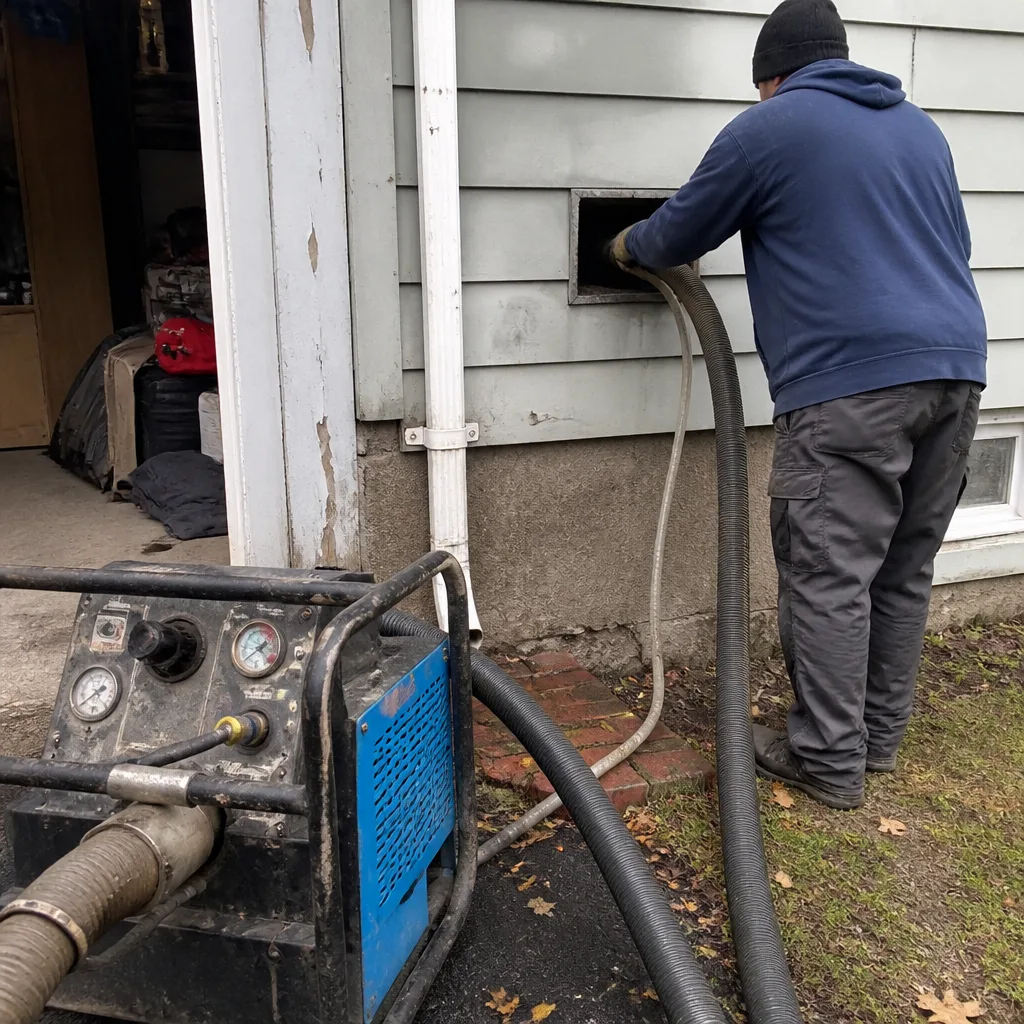 Before
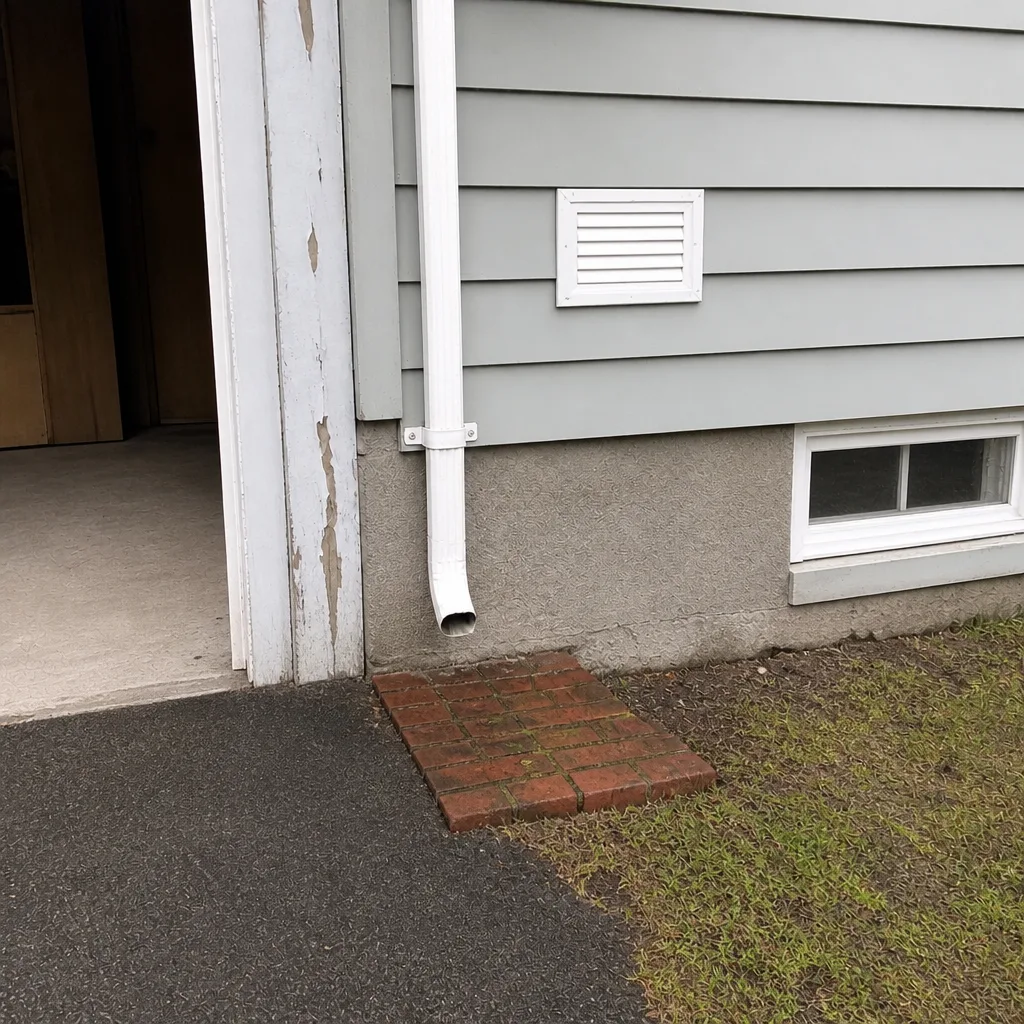 After
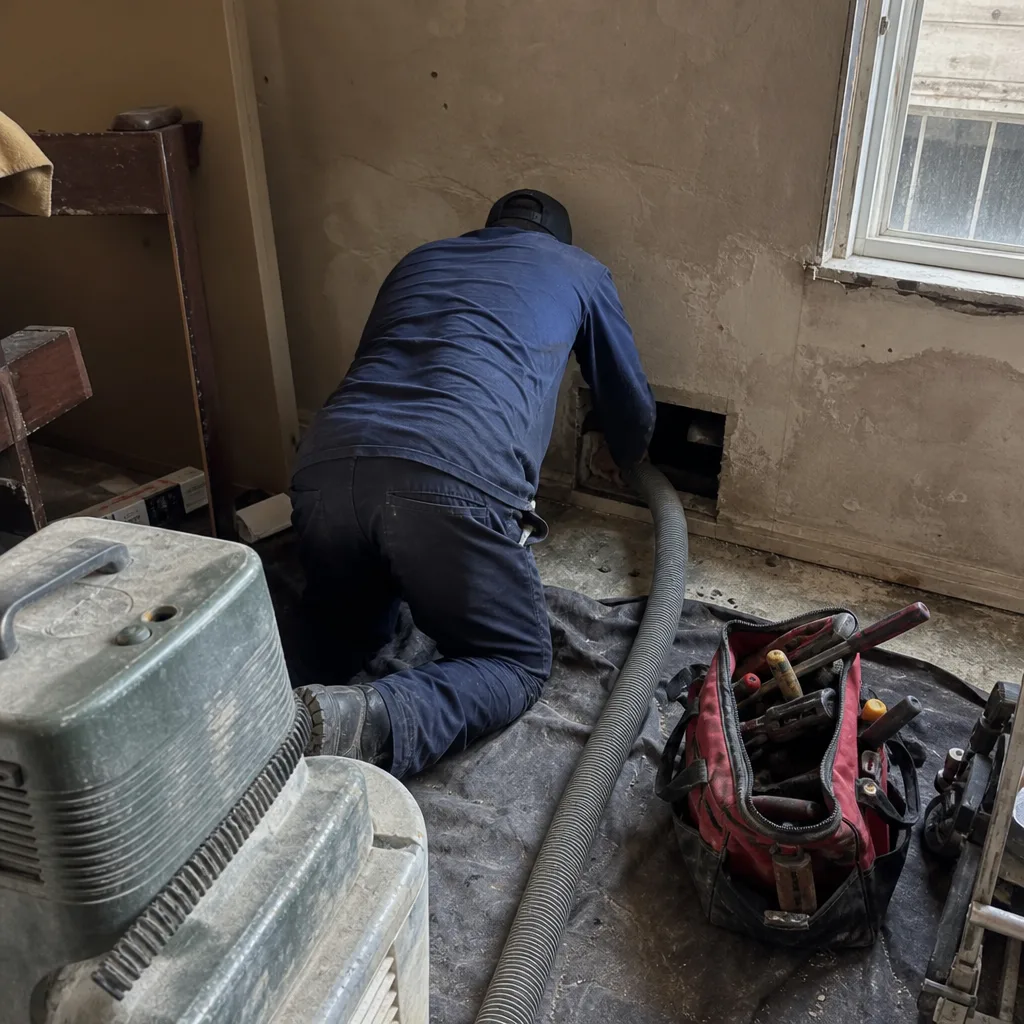 Before
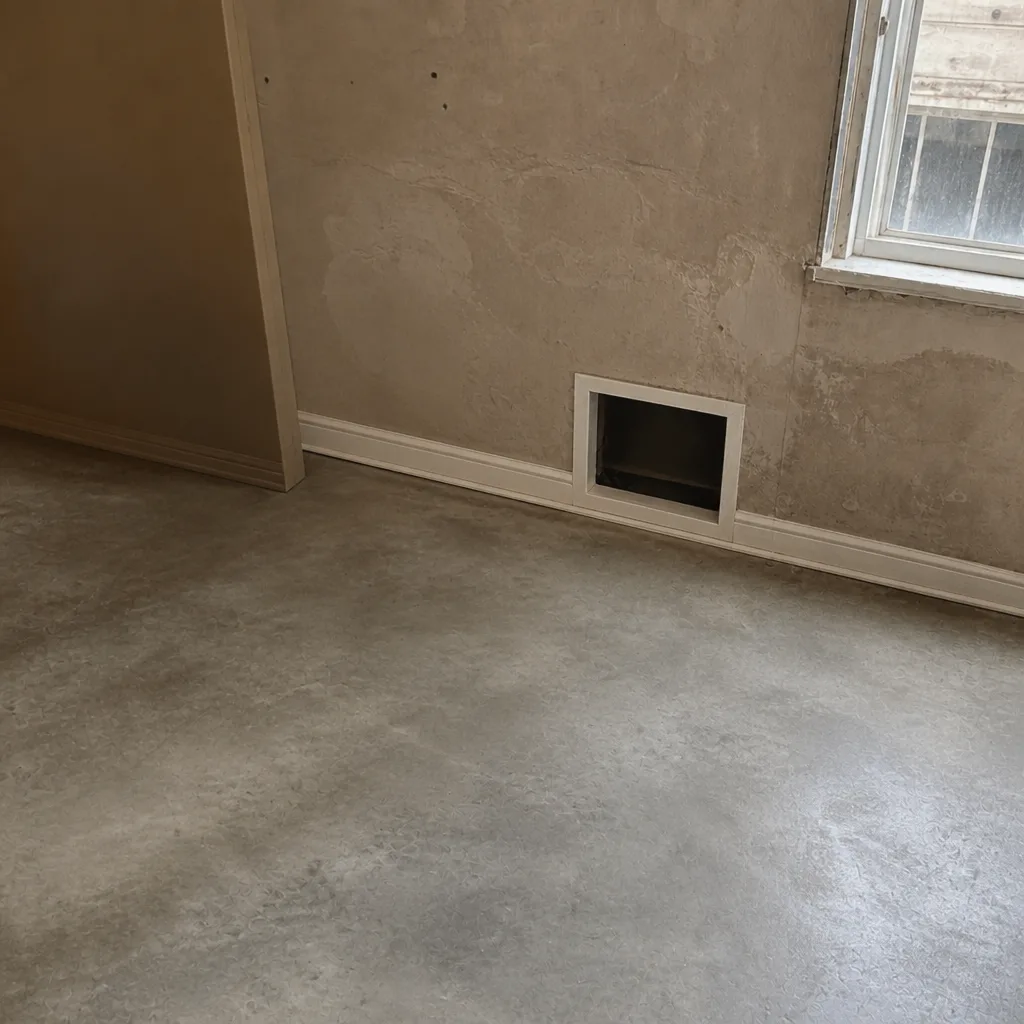 After
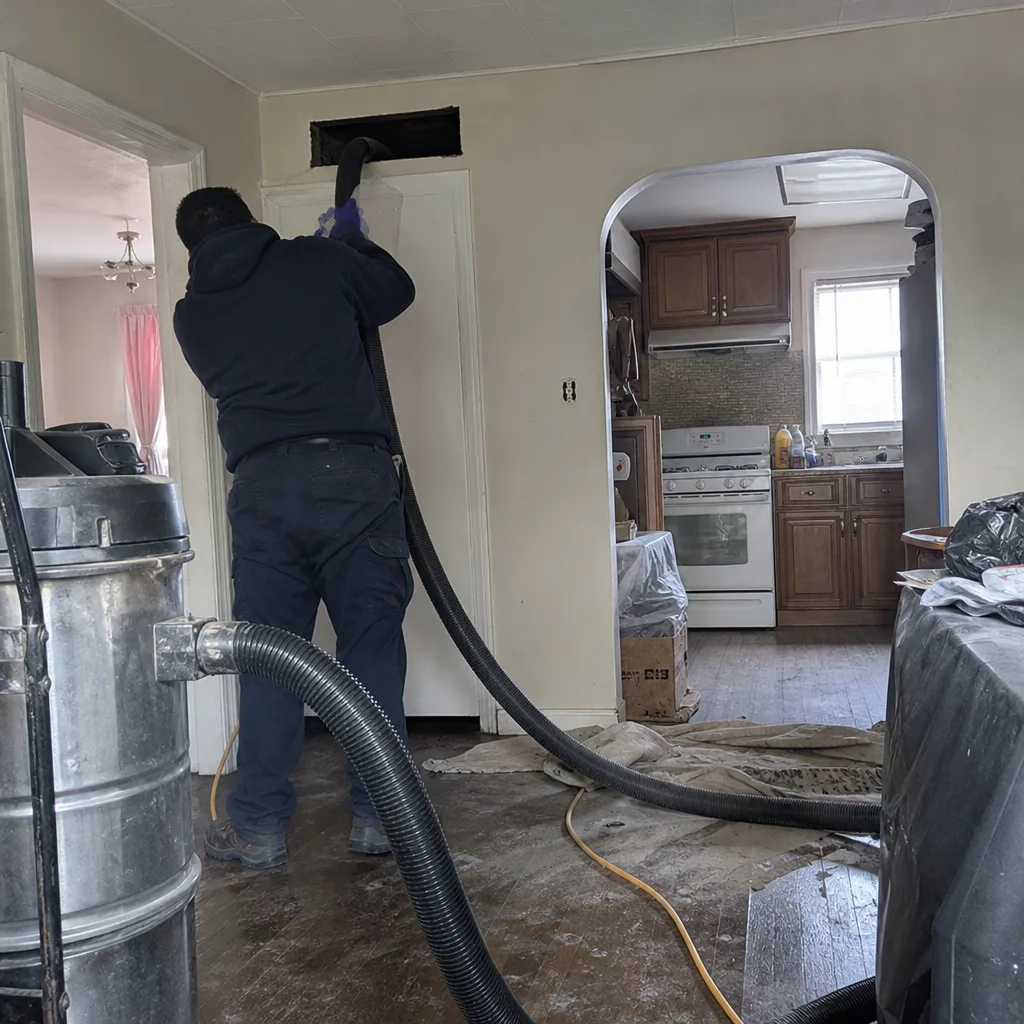 Before
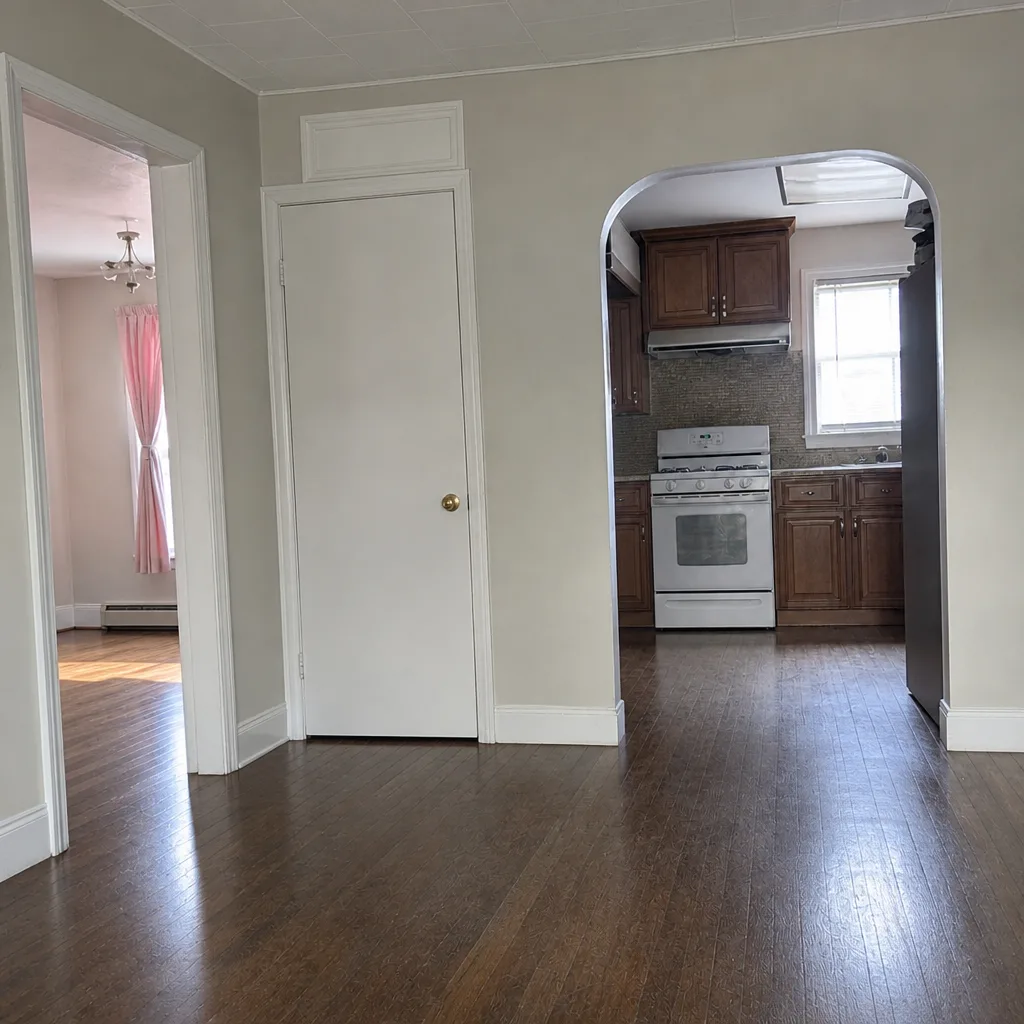 After
When to Call a Professional
Call for professional help when your log shows a pattern, not a single off day. Specifically: three or more recurring symptoms at the same register over a season, a strong musty smell that doesn’t clear after a filter change, visible pest evidence inside a register, black graphite-like dust on the wipe, any sign of moisture or discoloration around a register boot, or a system you’ve never had inspected in a home that’s new to you. Add dryer vent cleaning to the same call. Air Duct Cleaning Bay Ridge offers free estimates in Bay Ridge – call (877) 938-5572. We answer 24/7. Fast dispatch from 7am to 7pm, Sunday through Friday. Every job is a flat price per system agreed from the written estimate before work starts, and every cleaning ends with before-and-after photos of your own ducts.
Frequently Asked Questions
There’s no fixed number of years that fits every Bay Ridge home. The working rule is to go by what your register check and log show: if three or more symptoms recur over a full season, or if a strong musty smell doesn’t clear, have the system inspected. A home near a truck route or in a dense multifamily building tends to need attention more often than a quiet block. Call (877) 938-5572 for an exact quote – estimates are free.
It depends on the equipment, not the neighborhood. MERV 13 is fine on systems rated for it and can be a real improvement in a home near a truck route, but a system rated only for MERV 8 will be strained. Check the rating plate on the air handler. If you can’t find it, ask an HVAC tech.
No. A musty, earthy smell that survives a filter change usually means there’s biological growth somewhere in the system, and running the system spreads spores into every room. It’s worth professional inspection.
Pricing is set per job from a written estimate, and it depends on the size and condition of your system rather than a flat quote. We don’t work on per-vent pricing because it rewards cutting corners. Call (877) 938-5572 for a free estimate – the written estimate sets the final price.
Cheap quotes usually reflect a cleaning-only job with no containment equipment, no camera inspection, no sealing, and no documentation. The work looks complete until the ducts re-contaminate within a season, or until you discover half of what was dislodged just spread into the rooms. If a price is a fraction of the others, ask what equipment and photos they provide. Call (877) 938-5572 to compare against an estimate that itemizes both.
Ask for before-and-after photos of your own ductwork, taken during the job. A legitimate technician will show you the inside of the system before cleaning and after. That’s why we include them in every cleaning – you’re seeing your ducts, not a stock photo. For a free estimate on a cleaning or to ask about a documented inspection, call (877) 938-5572.
Yes, if the vent hasn’t been cleaned recently. The dryer vent is part of your home’s air pathway and lint buildup in it is a documented fire risk – a separate issue from duct contamination but something a system-wide visit can address together. Call (877) 938-5572 to ask about combining the two.
The Bottom Line
A duct maintenance checklist for a Bay Ridge homeowner is an observation habit, not a cleaning calendar. Do the five-minute register check once a month. Choose the filter by the conditions you actually see, and change it earlier than the package says if your building is near a truck route or main street. Watch the two seasonal transitions – after summer humidity and before winter heat – where problems in this climate surface first. Log everything, because a trend is more useful than a snapshot when a professional arrives. Do the three DIY tasks that are genuinely yours, and leave the interior work to professional equipment. Then call when the pattern calls for it. Call (877) 938-5572 for a free estimate. We answer 24/7. Fast dispatch from 7am to 7pm, Sunday through Friday.
Written by the team at Air Duct Cleaning Bay Ridge.