
Last updated November 22, 2026
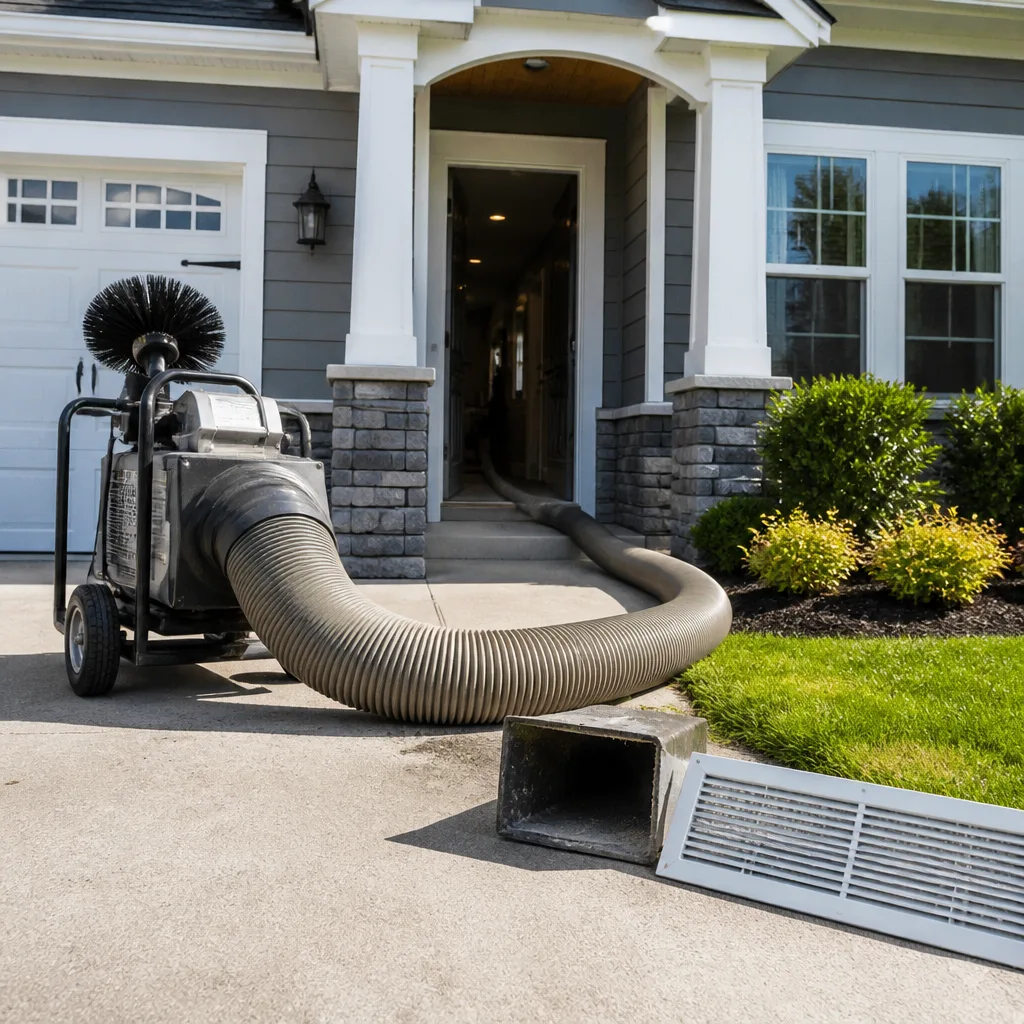 Whole-home duct cleaning
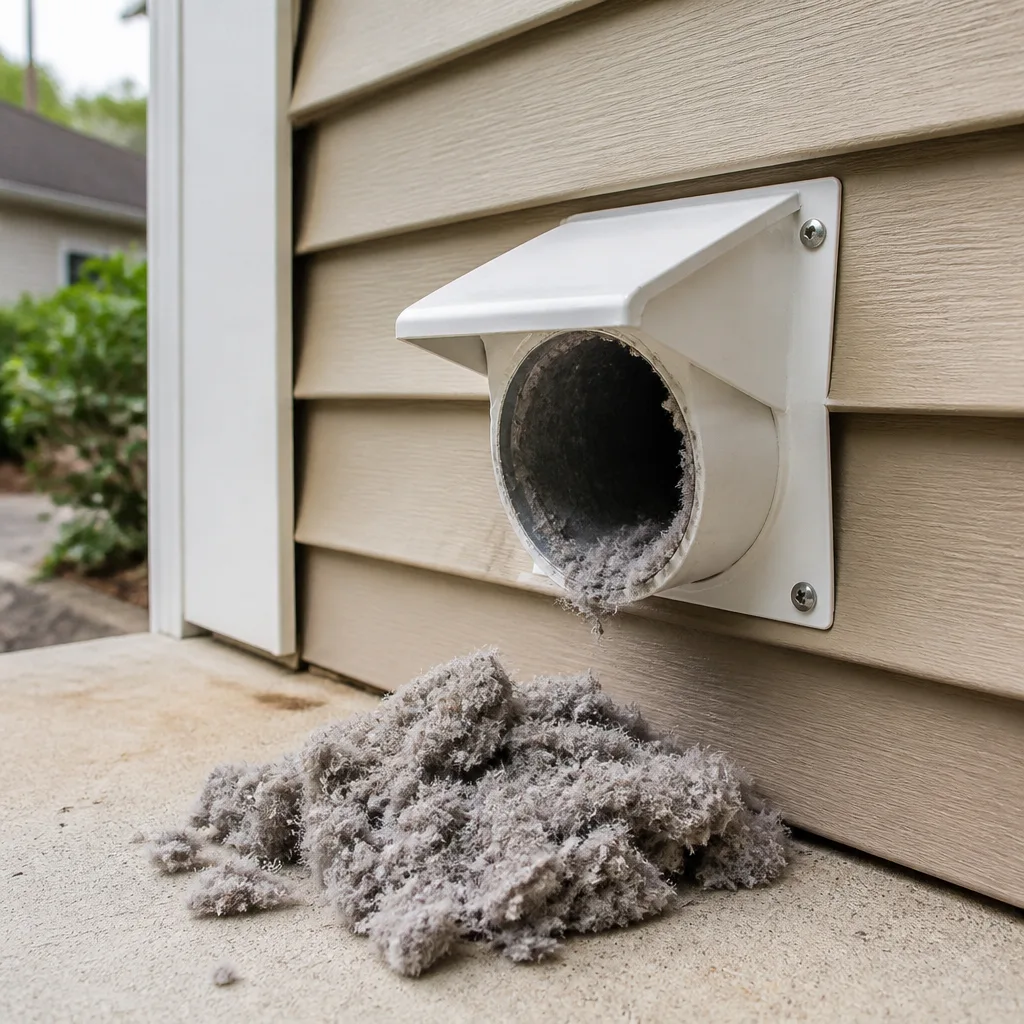 Dryer vent cleaning
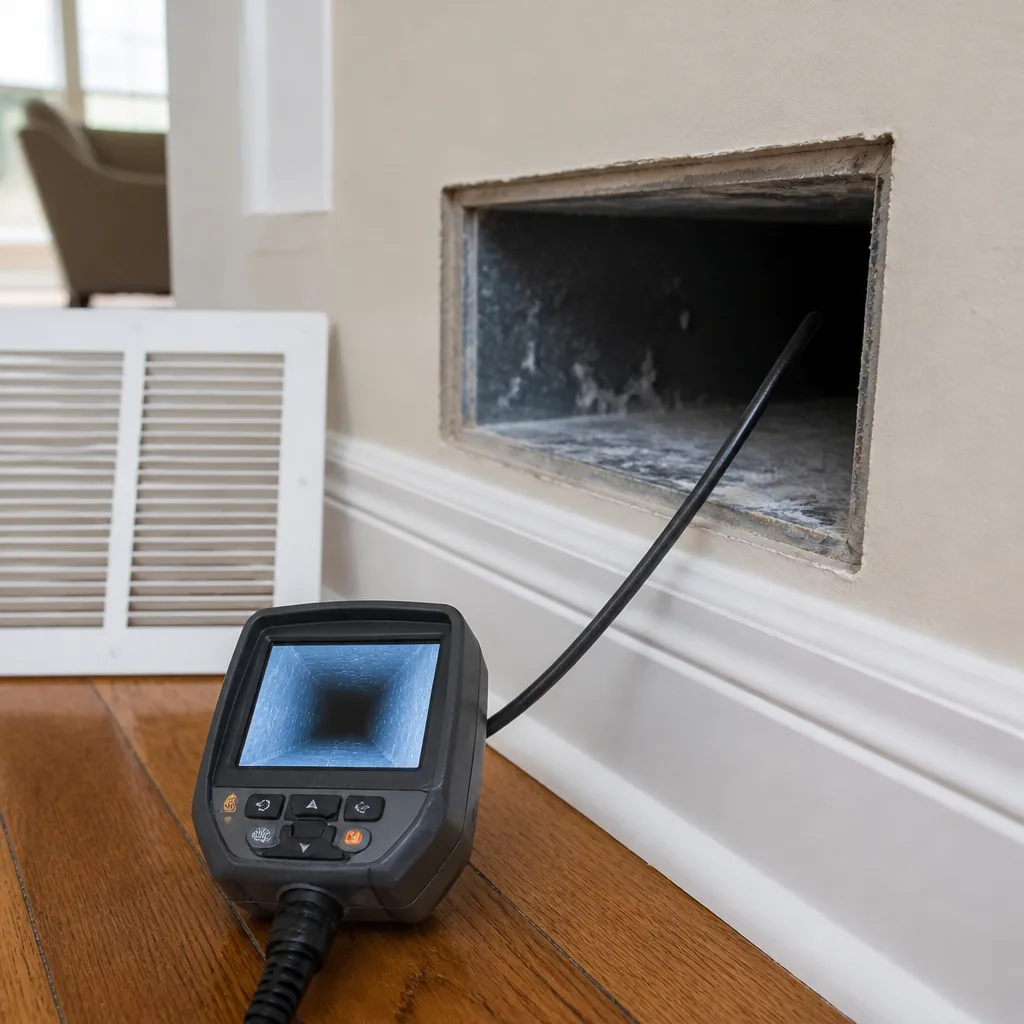 Camera inspection
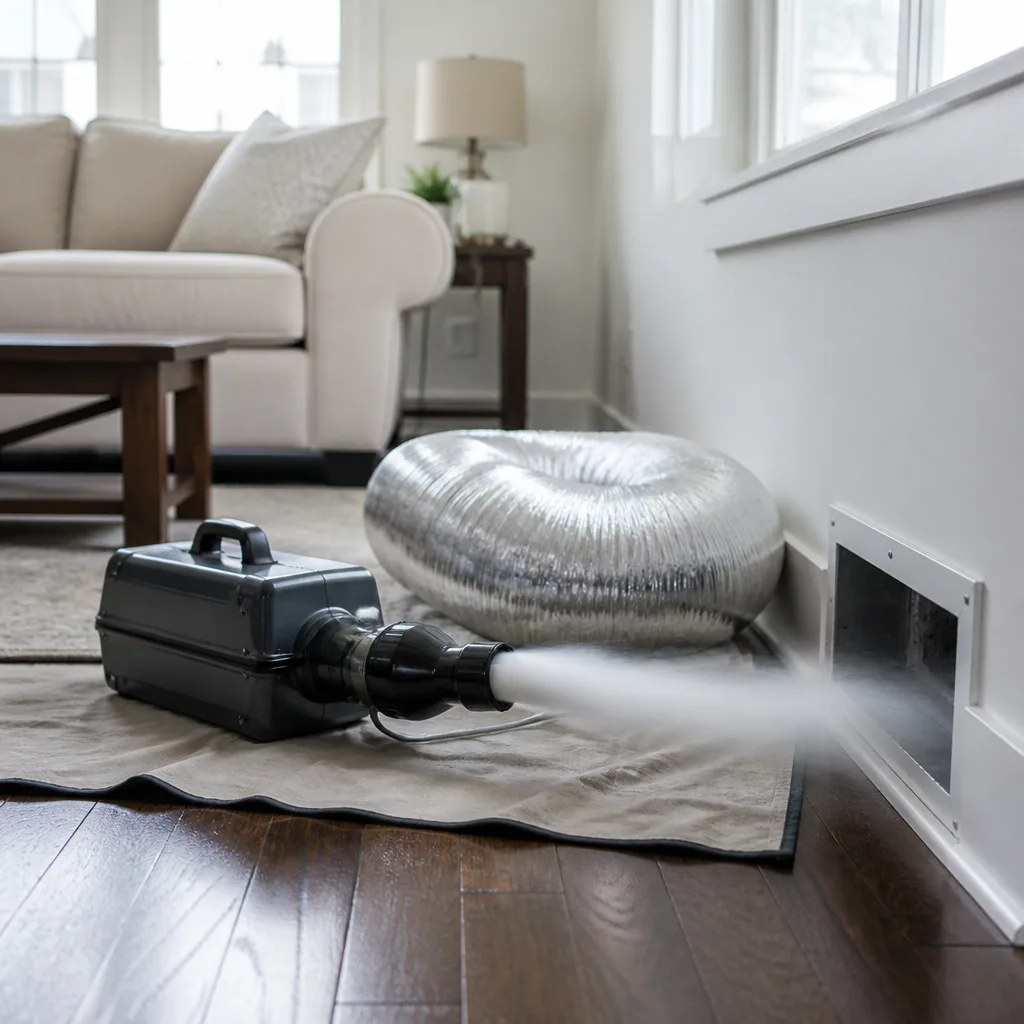 Sanitizing & deodorizing
Whole-system duct and dryer vent check with before-and-after photos - you see exactly what came out of your vents
That "$99 whole-house special" is a bait ad - the real number appears once they are in your hallway, or the "clean" is a shop-vac at the register. We photograph the inside of your ducts before and after instead.
The Complete Guide to Air Duct Cleaning in Bay Ridge
The EPA has stated plainly that duct cleaning has not been shown to prevent health problems. That sentence gets quoted constantly, by contractors who want to sell a quick vacuum job and by homeowners looking for a reason to skip it. But the full position carries an asterisk most people never read: the assessment comes first. A duct system has to be inspected and diagnosed before anyone can say whether a clean will help or hurt. That’s the premise of this guide. We’ll walk through how a full-system clean actually works in Bay Ridge, from the pre-war buildings and converted heating systems that shape local contamination patterns to the air handling equipment most cleaning companies never open, and give you the vocabulary to judge whether a contractor is doing the real job.
Quick Answer
Air duct cleaning in Bay Ridge means removing accumulated contaminants from every component of the air pathway – supply and return ducts, the air handler, coils, drain pan, and blower compartment – using professional-grade rotary brush and vacuum equipment with HEPA filtration, then verifying the result on camera. It is not a single pass with a shop vac, and it only makes sense after an inspection confirms the contamination is worth removing. A proper job typically runs from a few hundred dollars for a straightforward system to over a thousand for larger or heavily contaminated homes, and the written estimate sets the price.
Styles & brands we work with
- Whole-home duct cleaning
- Dryer vent cleaning
- Camera inspection
- Sanitizing & deodorizing
Table of Contents
- Why Bay Ridge’s Housing Stock Creates Specific Duct Problems
- Source Removal vs. Surface Agitation: What You’re Actually Paying For
- Urban Particulate and the BQE Corridor
- What a Full-System Inspection Should Include
- How a Professional Clean Actually Works, Step by Step
- How to Read a Post-Cleaning Verification
- Why Cleaning Without Sealing Is Half a Job
- What Air Duct Cleaning Costs in Bay Ridge
Why Bay Ridge’s Housing Stock Creates Specific Duct Problems
Bay Ridge is not a subdivision built to one code book in one decade. The neighborhood is a patchwork of pre-war apartment buildings, early 20th century row houses, and mid-century homes that have been added to, re-roofed, and re-heated multiple times. That mix matters for ducts because ductwork reflects the building around it. Systems that started as gravity or boiler-fed heating were later retrofitted with forced-air furnaces or split systems, often routed through chases, closets, and crawl spaces that weren’t designed for them. The result is duct runs with more joints, more turns, and more opportunities for leakage and dust collection than you’d find in a home built for central air from the start.
Three patterns show up repeatedly in Bay Ridge homes:
- Converted heating systems. When an old oil or boiler system is replaced with forced air, the new furnace often mates to ductwork that was never sealed. Gaps at the plenum and at each branch take in basement or chase air and distribute it through living space.
- Undersized returns. Older systems frequently have one small return where a modern system would want two or three. Undersized returns pull harder, stir up more dust, and starve the blower.
- Ductwork in unconditioned space. Runs through unheated attics, garages, and rim-joist cavities pick up moisture and dust that conditioned-space runs don’t.
This is why a clean without an inspection is guesswork. In a newer house, you can often assume the system was designed as one unit. In Bay Ridge, you can’t. The right first move is always to map what’s actually there.
Source Removal vs. Surface Agitation: What You’re Actually Paying For
Source removal is the professional standard: physically dislodging and extracting the accumulated debris from inside the duct system so it leaves the house. Surface agitation is what cheap cleaners do: brushing the visible walls of the ducts so the inside looks cleaner on a quick camera pass, while the settled material in the corners, the plenum, and the transitions stays put and recirculates the moment the system turns back on. The difference in outcome is significant. The difference in price is also significant, which is why comparison shopping on price alone is a trap.
Here’s what separates the two in practice:
- Source removal uses negative pressure on the whole system plus a rotary brush or air whip on each run, and the debris is captured at the truck or in a HEPA-filtered containment unit. It takes time and equipment.
- Surface agitation uses a hand brush and a small vacuum at the register. It skims the surface and leaves the plenum, the transitions, and the air handler untouched.
- Coverage is the tell. Ask a contractor if they clean the supply plenum, the return plenum, and the blower compartment. A source-removal job includes these. A surface job won’t.
We run Air Duct Cleaning Bay Ridge as a full-system operation specifically because surface agitation misrepresents the work. If a quote comes in far below the rest, the difference is almost always in what’s being skipped.
Urban Particulate and the BQE Corridor
Bay Ridge sits under the flight path near one of the busiest truck corridors in the city. The Gowanus Expressway and the BQE feed a constant stream of diesel exhaust, tire rubber, and brake dust into the air at street level, and residential HVAC systems pull from that same air. Building intake points on the first few floors of pre-war apartment houses sit closest to the street and see the highest load. That particulate settles in return ducts, in the blower compartment, and on the cooling coil, and it thickens into a greasy film that holds other dust in place.
This is not a reason to panic. It is a reason to clean on a schedule rather than only when something smells wrong, and a reason to insist on filters that actually trap fine particles. Factors we see affecting accumulation in Bay Ridge:
- First-floor and garden-level units accumulate faster than upper floors, especially near the expressway approaches.
- Window-heavy layouts with original sashes let in more street dust than modern sealed units.
- Home renovation – even a bathroom gut – pushes sheetrock dust into the return side and coats the coil.
- Neighboring construction on a block generates debris for the duration of the project and for months after.
If you live within a few blocks of the expressway, plan on a visual inspection every couple of years and cleaning when the inspection calls for it, rather than waiting for visible dust at the registers.
What a Full-System Inspection Should Include
A real inspection is not a walkthrough with a flashlight at the return grille. It opens the air handler and looks at every component the supply air touches. In Bay Ridge homes, that often means climbing into tight basement mechanical rooms and pulling panels most technicians never remove. If a contractor won’t open the unit, the price they give you is for a partial job.
- Air handler cabinet. Is there dust and debris inside the cabinet itself? Is the insulation intact or falling in?
- Blower wheel and compartment. A dirty blower wheel throws off balance, reduces airflow, and drives up energy use. If it’s caked, cleaning the ducts alone won’t fix anything.
- Evaporator coil. The coil is a fine fin structure and it traps everything the filter misses. It needs to be inspected for dust, biofilm, and corrosion.
- Drain pan and drain line. Standing water or biofilm here is a mold problem waiting upstream of your living space.
- Supply and return plenums. These are the sheet metal boxes that connect the air handler to the ducts. They collect debris at the transitions.
- Duct runs. Camera inspection of each run from the register back to the trunk, looking for breaks, disconnected joints, crushed flex, and pest evidence.
- Leakage points. Gaps that pull air from basements, attics, and garages back into the supply side.
The inspection report should tell you what’s actually there, in plain language, with photos. If you get a pitch instead of a report, that’s a sign the operation is built around sales.
How a Professional Clean Actually Works, Step by Step
A proper clean is a sequence, not a single pass. Each step exists to keep dislodged debris out of your living spaces while the work is happening, and to make sure the whole system is clean when the crew leaves. Here’s the sequence, in the order we run it.
- Protect the space. Drop cloths, corner guards, and containment at every open register.
- Set negative pressure. A high-powered vacuum with HEPA filtration is connected to the system, holding the whole duct path under negative pressure so dust goes into the capture unit rather than into the room.
- Clean the air handler and coil. The blower compartment, evaporator coil, and drain pan come first, because anything left here will recontaminate the ducts after cleaning.
- Agitate each supply and return run. A rotary brush system like Rotobrush or a Nikro whip is worked from the register back to the trunk, loosening the settled debris and pulling it into the vacuum.
- Clean the trunks and plenums. The main trunks and the plenums get the same treatment at higher volume.
- Sanitize where inspection called for it. If biological growth or odor was found, an appropriate sanitizer is applied to the cleaned interior surfaces.
- Inspect on camera. A camera is run back through each run to confirm the interior is clean.
- Restore airflow and verify. Registers are reinstalled, filters replaced, and airflow is checked at each outlet.
The equipment matters less than the full sequence. We use Abatement Technologies containment and HEPA filtration during the work because it captures dislodged contaminants rather than recirculating them – the same standard mold and restoration crews use – and Rotobrush and Nikro rotary systems because they’re built for this work, not adapted to it. If a contractor shows up with a shop vac and a hand brush, that’s the signal to walk away politely.
How to Read a Post-Cleaning Verification
“We cleaned it” is not a verification. A real verification is a camera pass and an airflow measurement, and you should be shown both before the crew packs up. Here’s what to look for and what to push back on.
- The camera should show clean sheet metal or clean flex, not just “cleaner.” Dust on the walls of a duct should be gone, not just reduced. If corners, transitions, and the plenum still look grey, ask why.
- The air handler should be visibly clean inside. Open the panel with the technician and look at the blower wheel and coil yourself.
- Airflow should be measured at multiple registers. Airflow that is significantly lower than expected after a clean usually means something was left blocked, or a flex run was crushed during the work.
- Photos and video should be shared with you. You paid for the job; the evidence should be yours to keep, especially for a property manager documenting a building-wide clean.
- Odor should be gone or clearly improved. A musty smell that survives a clean usually means biological growth in the coil, drain pan, or a wet section of duct that needs to be addressed at the source.
If the crew can’t show you the inside of the system on camera after the work, the job isn’t finished. “Clean” is a verifiable condition, and a contractor who works on systems in Bay Ridge should be able to prove it.
Why Cleaning Without Sealing Is Half a Job
Ducts in older Bay Ridge buildings leak. That’s not a sales line – it’s the reason dust comes back so fast after a clean. Gaps at the plenum, at branch takeoffs, and at register boots mean the system pulls in unfiltered air from basements, chases, and unconditioned space every time the blower runs. Cleaning removes the debris inside. Sealing keeps new debris out. If you skip the second step, you’re paying to redo the first one.
Duct repair and sealing is a natural companion to cleaning, and one most cleaning-only companies don’t offer. The work involves:
- Sealing leaks at the air handler and plenum with mastic or approved tape.
- Reconnecting and supporting disconnected or sagging flex runs.
- Repairing crushed or kinked runs behind walls and in crawl spaces.
- Replacing failed boots and register boxes at the wall or floor.
- Restoring insulation on runs that pass through unconditioned space.
On a system with significant leakage, sealing is what actually delivers the comfort and efficiency gains homeowners expect after a clean. It’s also what keeps a duct system from needing another major clean within a couple of years.
What Air Duct Cleaning Costs in Bay Ridge
Prices vary by system size, accessibility, and the condition the inspection finds. In a Bay Ridge market with a lot of pre-war and retrofitted systems, access and leakage issues tend to push jobs toward the middle and upper end of these ranges. These are typical estimates for the market, not fixed prices. The written estimate you receive after inspection sets the final cost.
| Service | Typical Range |
|---|---|
| Air duct cleaning, small home (up to 8 vents) | $300 – $500 |
| Air duct cleaning, mid-size home (9-15 vents) | $450 – $750 |
| Air duct cleaning, large home or multi-unit (16+ vents) | $700 – $1,100 |
| HVAC cleaning (air handler, coil, blower, drain pan) | $250 – $550 |
| Dryer vent cleaning | $125 – $225 |
| Duct repair and sealing (per job) | $300 – $900 |
| Sanitizing treatment (add-on) | $100 – $300 |
Two things push a job toward the top of the range in Bay Ridge: difficult access (low basement ceilings, mechanical closets, ductwork buried behind finished walls) and the retrofit issues that make some runs harder to clean than they look on paper. Neither is a reason to accept a low teaser figure that grows once the crew is on site. Ask for a per-system flat price in writing before the work starts.
For a closer look at how air duct cleaning is priced and scoped, our service page breaks it down in detail, and we keep the same estimate discipline across HVAC cleaning and dryer vent cleaning.
Common Mistakes to Avoid
- Choosing on price alone. In Bay Ridge, the cheapest quote is often a surface agitation job that leaves the plenum and air handler untouched. Ask what’s included, in writing, before you compare.
- Skipping the inspection. If a contractor won’t open the air handler before quoting, the price isn’t for a full-system clean. It’s for whatever they plan to brush at the register.
- Cleaning without addressing leaks. Older Bay Ridge systems have gaps that pull unfiltered air back into the ducts. If you clean without sealing, you’ll be cleaning again sooner.
- Assuming a camera pass is the whole verification. A camera that shows one run isn’t verification. You should see every run and the air handler, plus airflow checks.
- Overlooking the dryer vent. Dryer fires are one of the leading causes of residential home fires, and the vent is part of the same air pathway. It’s a separate job from duct cleaning and it matters as much.
- Sanitizing instead of cleaning. A fog treatment sprayed into a dirty duct doesn’t fix anything. Sanitizing is what comes after the source removal, not a substitute for it.
- Trusting “we clean the whole system” without proof. Ask for the camera evidence before the crew packs up. On systems in Bay Ridge, that’s the difference between a clean job and a clean story.
See the difference
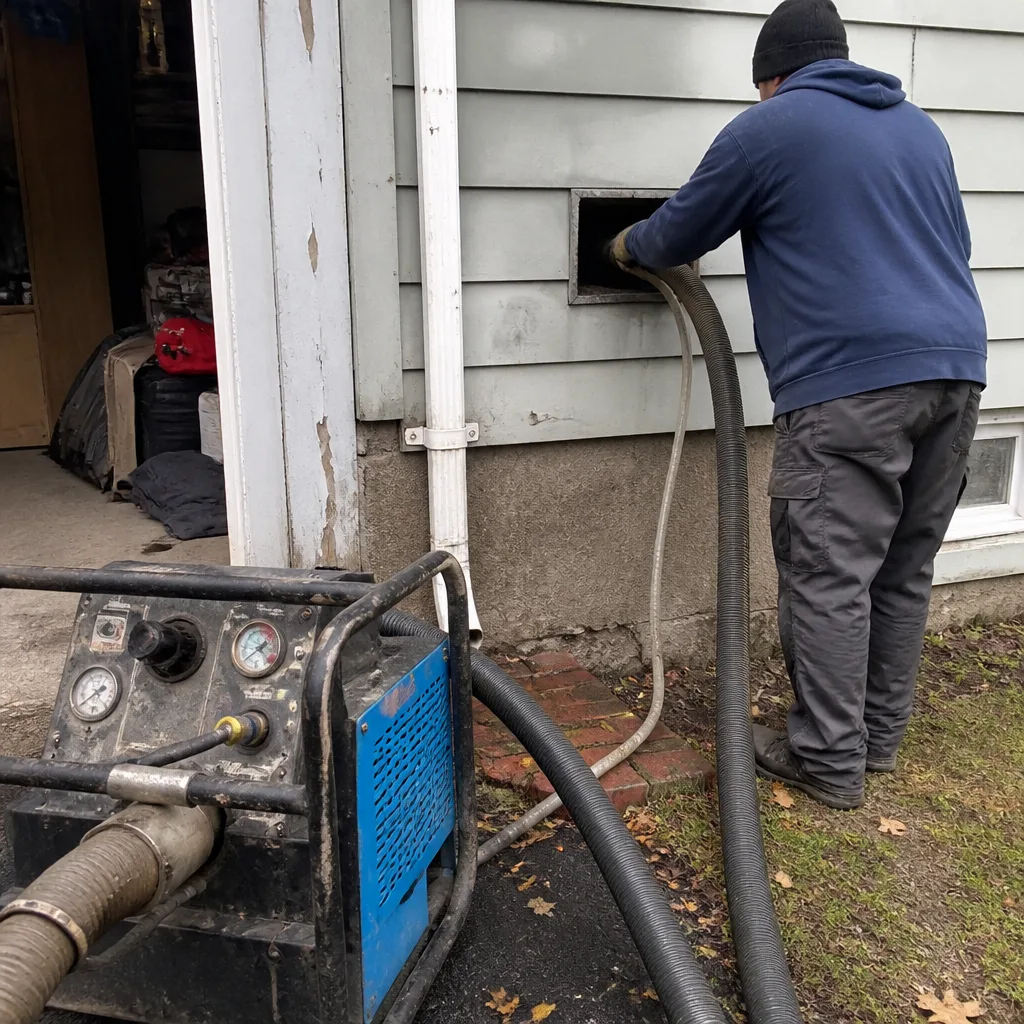 Before
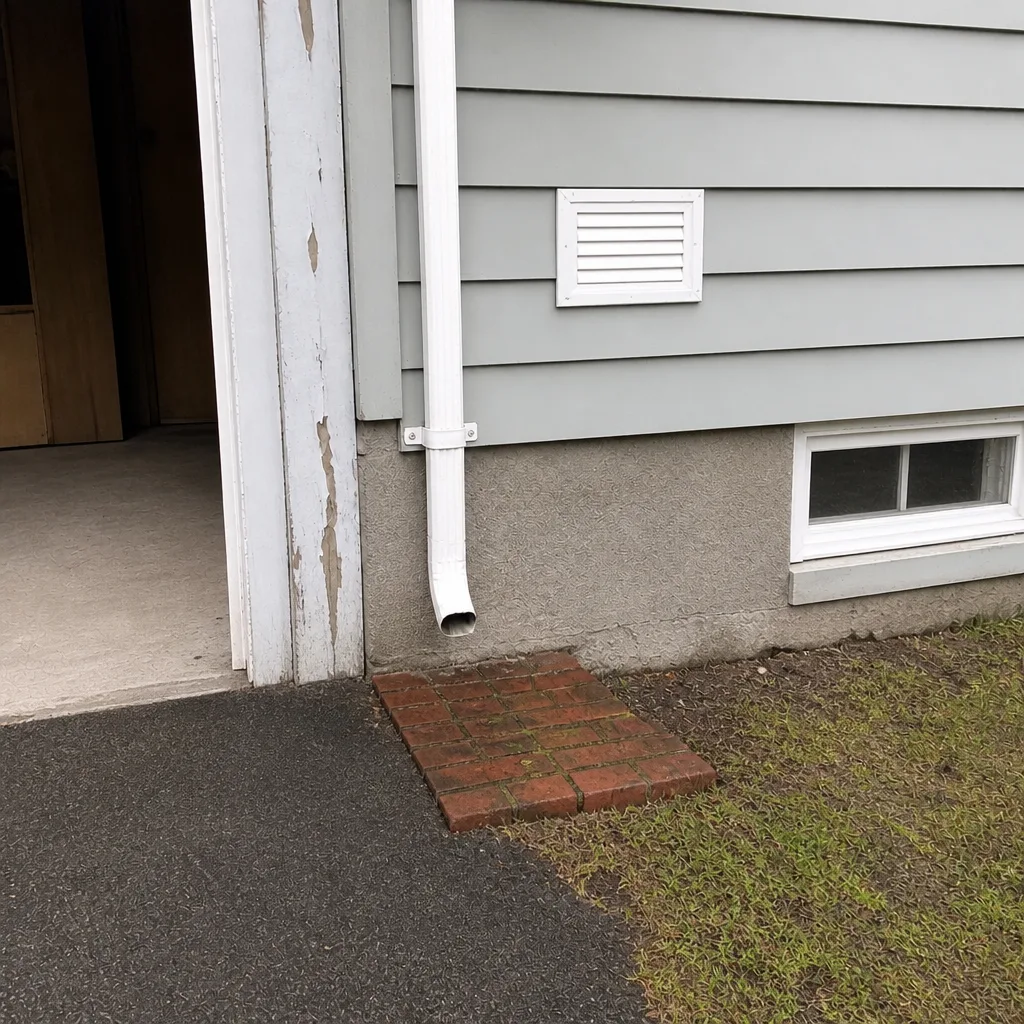 After
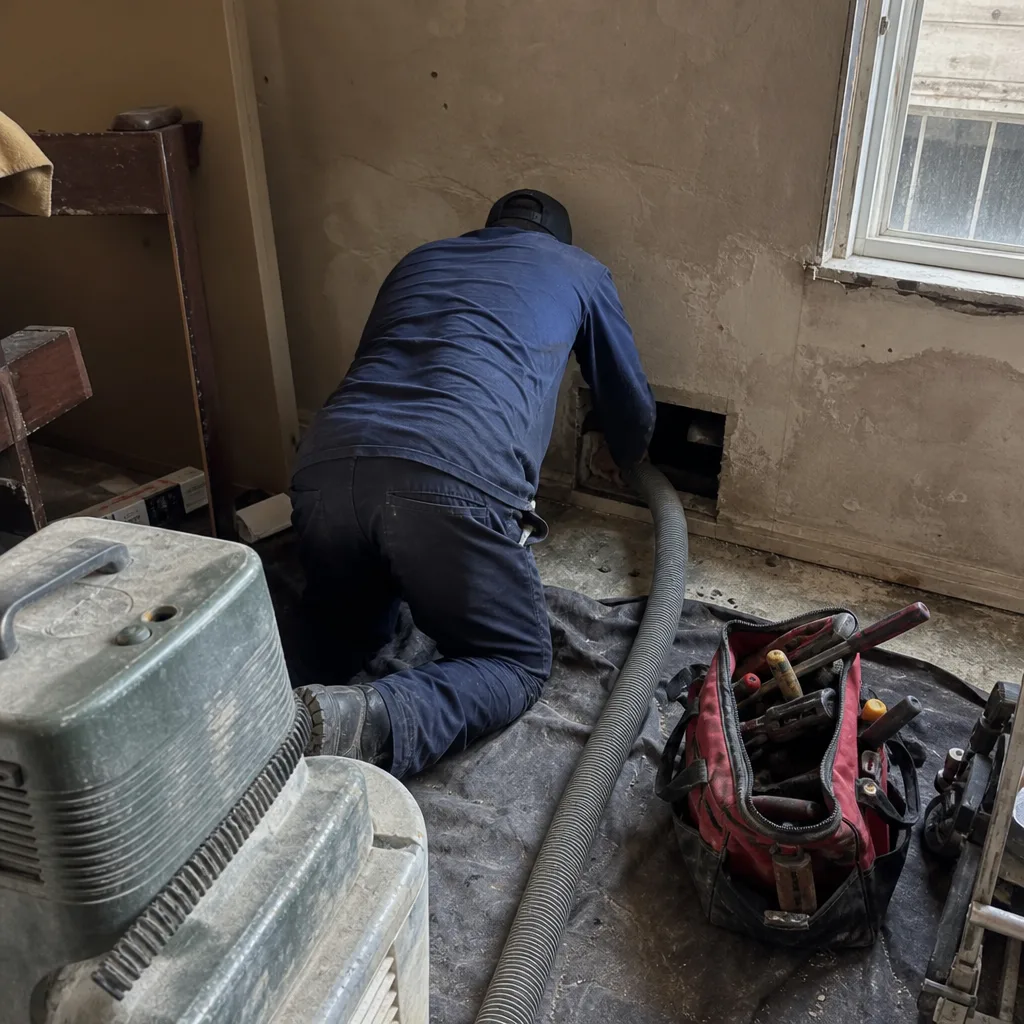 Before
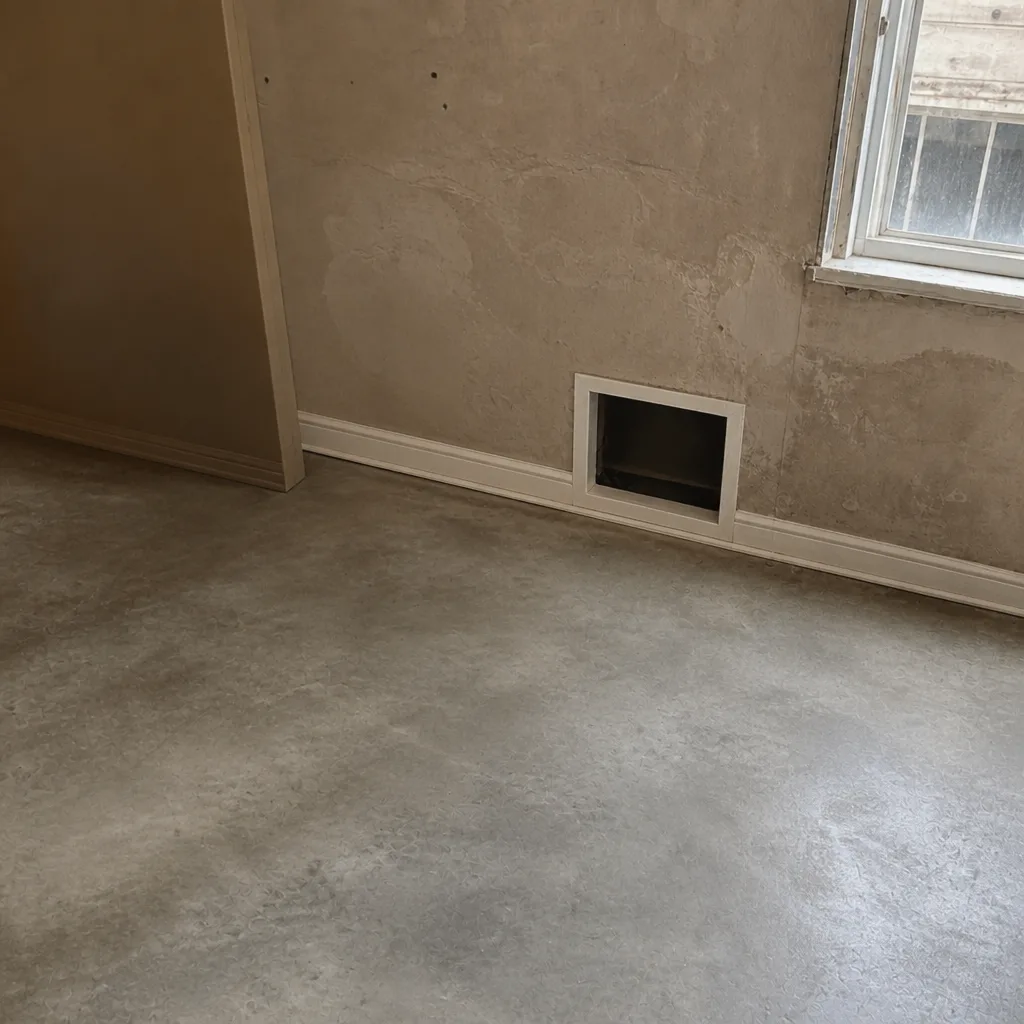 After
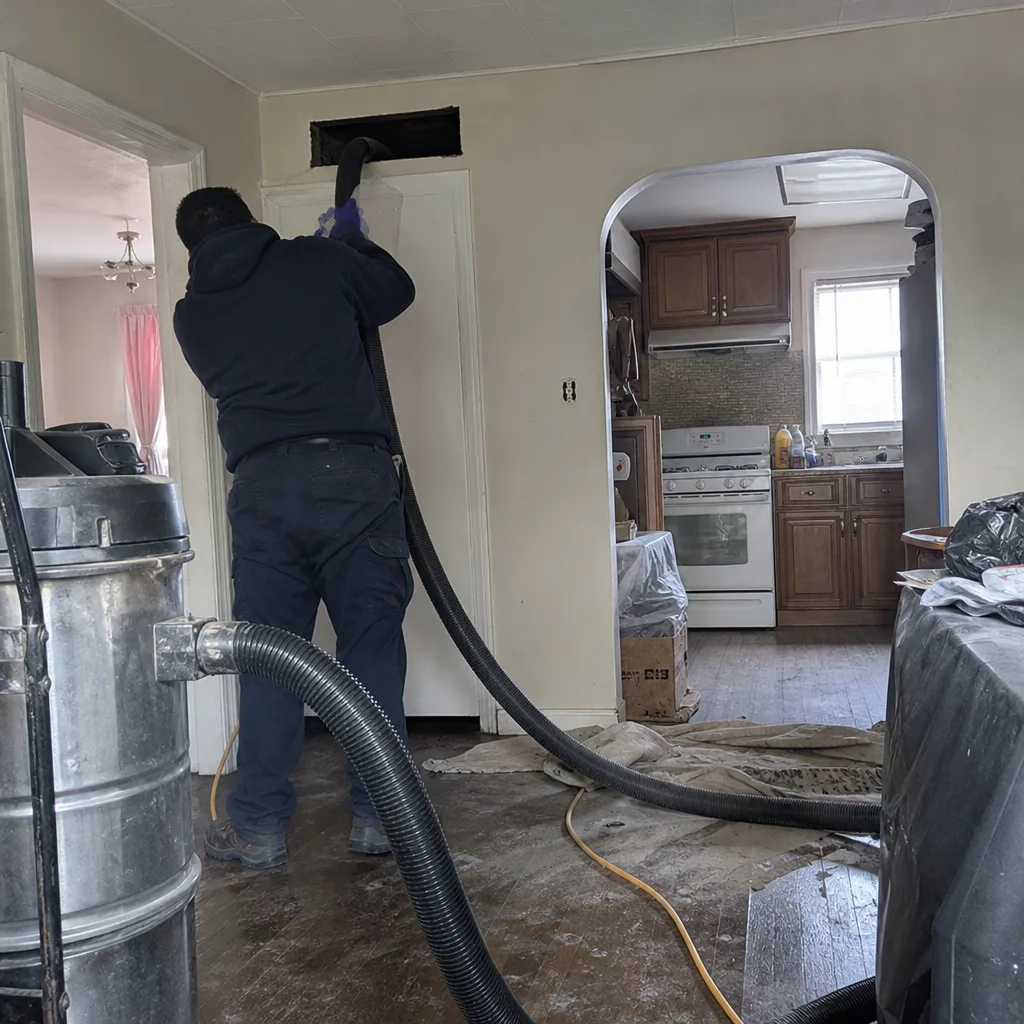 Before
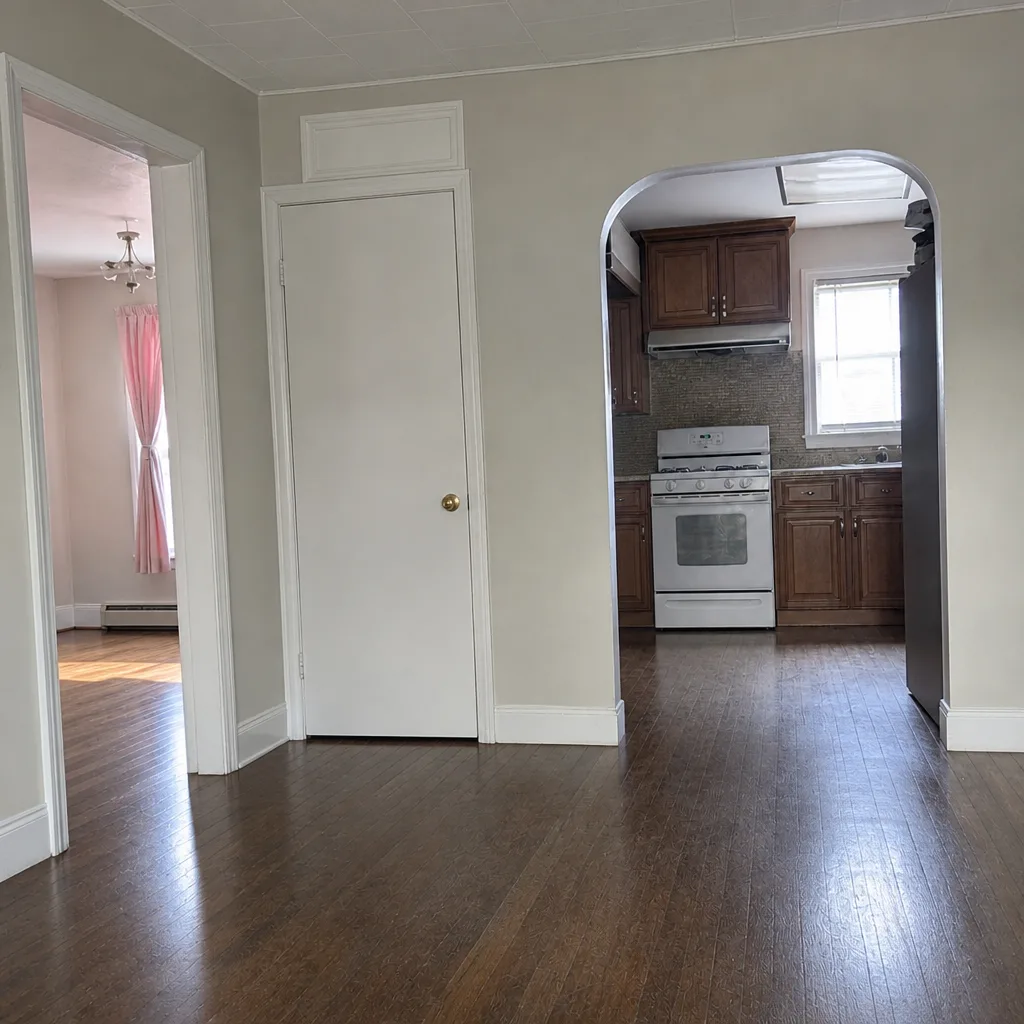 After
When to Call a Professional
You don’t need duct cleaning on a schedule. You do need a professional inspection when any of these apply: a recent renovation pushed sheetrock dust into the returns; a musty smell follows the system when it kicks on; a family member’s allergies or asthma get worse indoors; visible dust streams from the registers when the blower starts; the system is pulling air from a damp basement or crawl space; the dryer is taking two cycles to dry; or you’ve just moved into a Bay Ridge building with unknown service history. In those cases, an inspection tells you whether cleaning is the answer and whether sealing is needed too.
Air Duct Cleaning Bay Ridge offers free estimates in Bay Ridge. Call (877) 938-5572. We answer 24/7. Fast dispatch from 7am to 7pm, Sunday through Friday, closed Saturday.
Frequently Asked Questions
Air duct cleaning in Bay Ridge typically runs $300 to $1,100 depending on system size, access, and condition, with the written estimate setting the exact price. Jobs in pre-war buildings with retrofitted systems often land in the middle to upper end of the range because access is tighter and leakage is more common. Call (877) 938-5572 for a free estimate.
The EPA says duct cleaning has not been shown to prevent health problems and that no chemical biocides should be used unless you’re given full information first. That statement applies to cleaning done without an assessment. When an inspection finds visible mold, pest infestation, or heavy contamination that’s being circulated by the system, cleaning is the appropriate response, and most contractors agree on those conditions.
Cheap quotes are usually for surface agitation, not source removal. The contractor brushes what’s visible at the register, skips the air handler and plenum, and leaves most of the debris in place, which is why it can be finished in under an hour. A real full-system clean takes longer because every component gets addressed. Ask what’s included before comparing prices. Call (877) 938-5572 to book a free estimate.
Ask for a camera pass of every run and the air handler, plus airflow measurements at the registers, before the crew leaves. You should also be shown the blower wheel and coil inside the unit. If a contractor can’t provide that evidence, the job isn’t verifiable. Our written estimates spell out the scope, and the camera verification comes with the job.
Most systems don’t need it on a fixed schedule. A visual inspection every couple of years, and cleaning when the inspection finds sufficient contamination, is the honest answer. Homes with heavy shedder pets, recent renovation, or proximity to the BQE corridor in Bay Ridge may need a look more often. Call (877) 938-5572 for an inspection when you’re unsure.
Sometimes, and only when the smell is coming from inside the duct system. If the musty odor is biological growth on the cooling coil, in the drain pan, or in wet insulation, cleaning the ducts alone won’t fix it. The inspection has to find the source first, and that’s why we check the air handler, coil, and drain pan before recommending any treatment. Call (877) 938-5572 to schedule.
The Bottom Line
Duct cleaning is a system-level job, not a register pass. In Bay Ridge, where converted heating systems and pre-war construction create specific contamination patterns, the sequence matters: inspect the whole air pathway, remove the sources with professional-grade equipment and containment, seal the leaks that let debris back in, and verify the result on camera. That sequence is what you’re paying for. A written flat price per system, agreed before work starts, is the fair way to buy it. Anything less is a different service sold under the same name. If you’re not sure whether your system needs a clean, an inspection will tell you, and we provide free estimates.
Call Air Duct Cleaning Bay Ridge at (877) 938-5572 for a free estimate. We answer 24/7. Fast dispatch from 7am to 7pm, Sunday through Friday, closed Saturday. Whether you need dryer vent cleaning, a full-system clean, or a second opinion on a quote you’ve already received, we’ll look at the whole system before recommending anything.
Written by the team at Air Duct Cleaning Bay Ridge.