
Last updated November 22, 2026
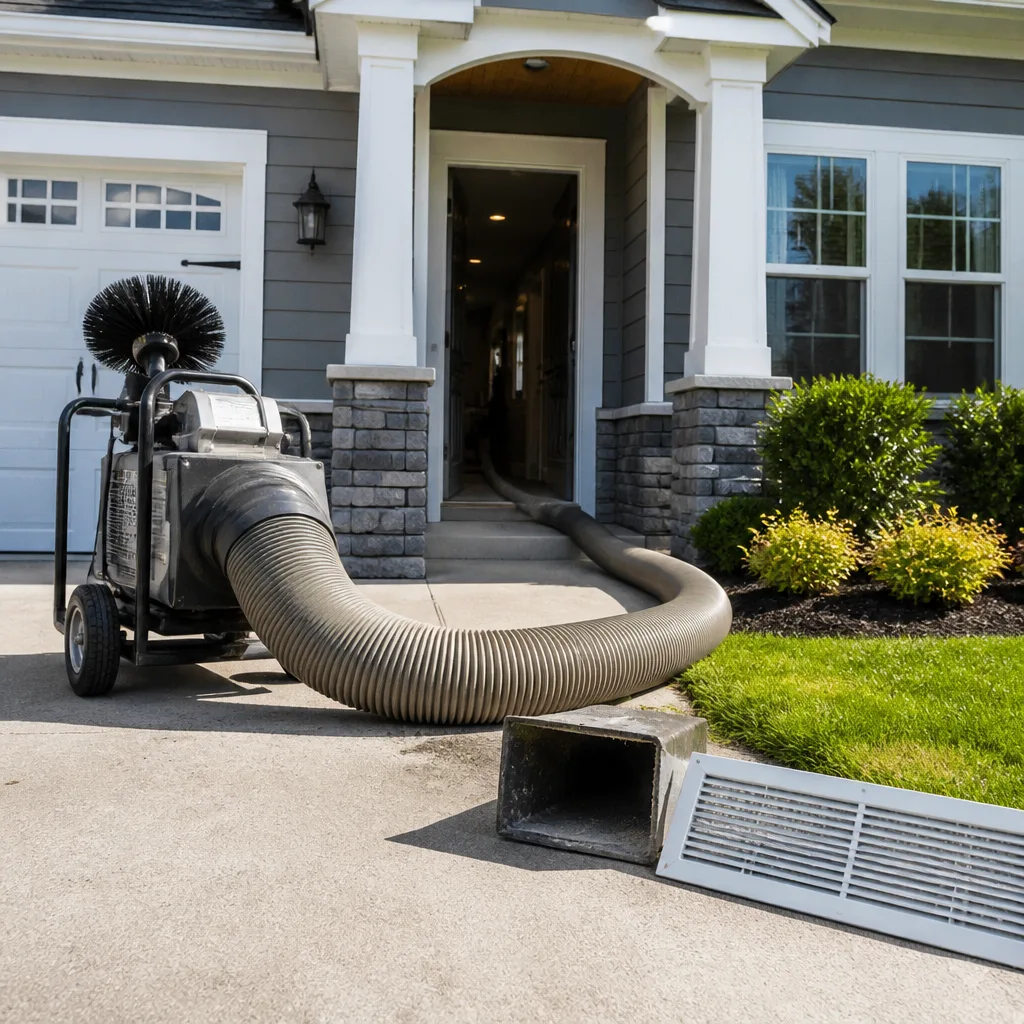 Whole-home duct cleaning
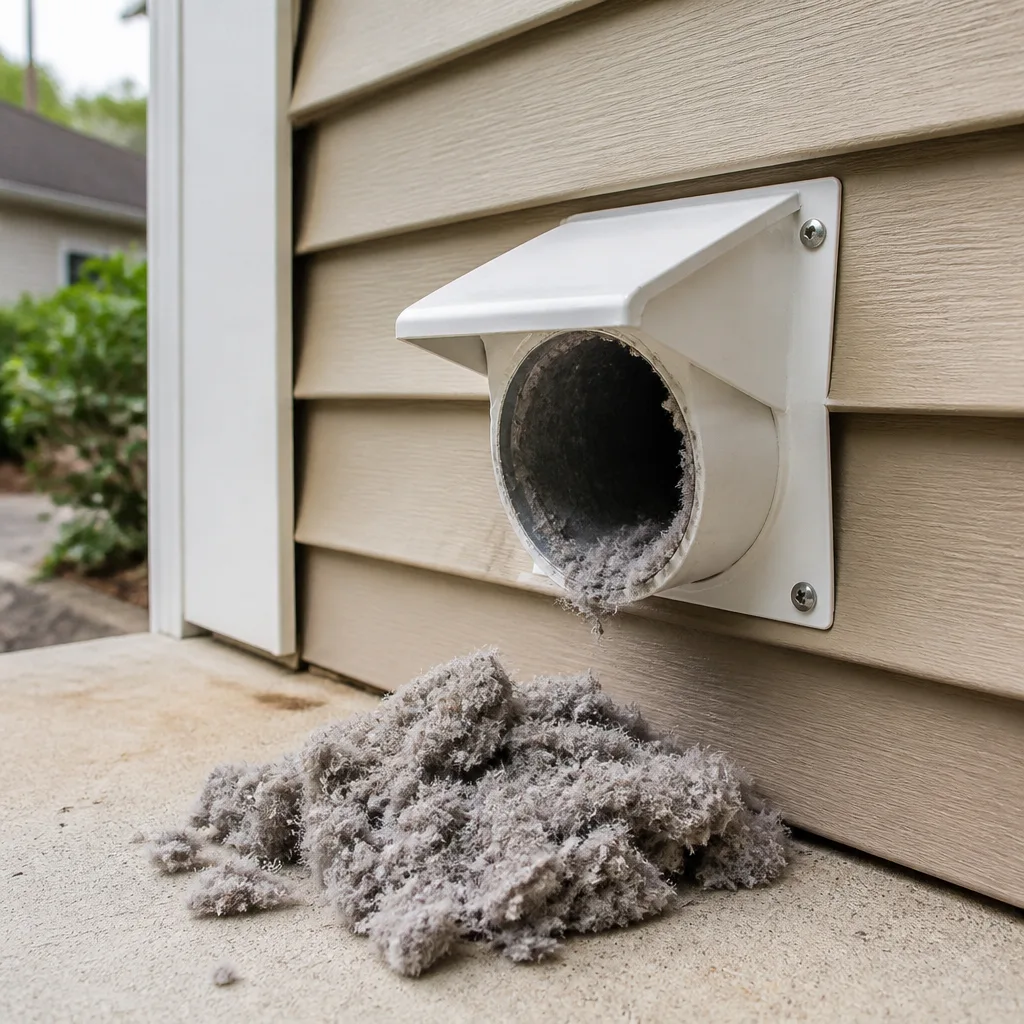 Dryer vent cleaning
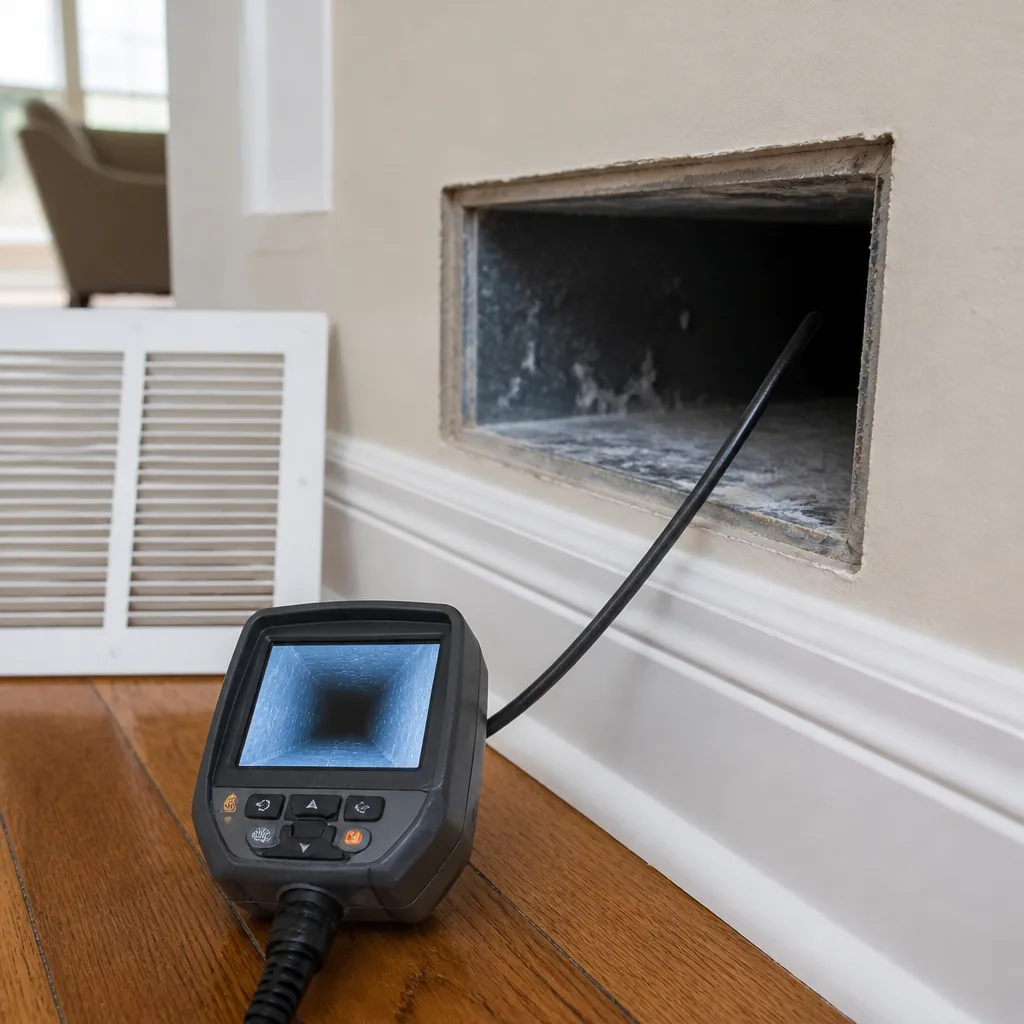 Camera inspection
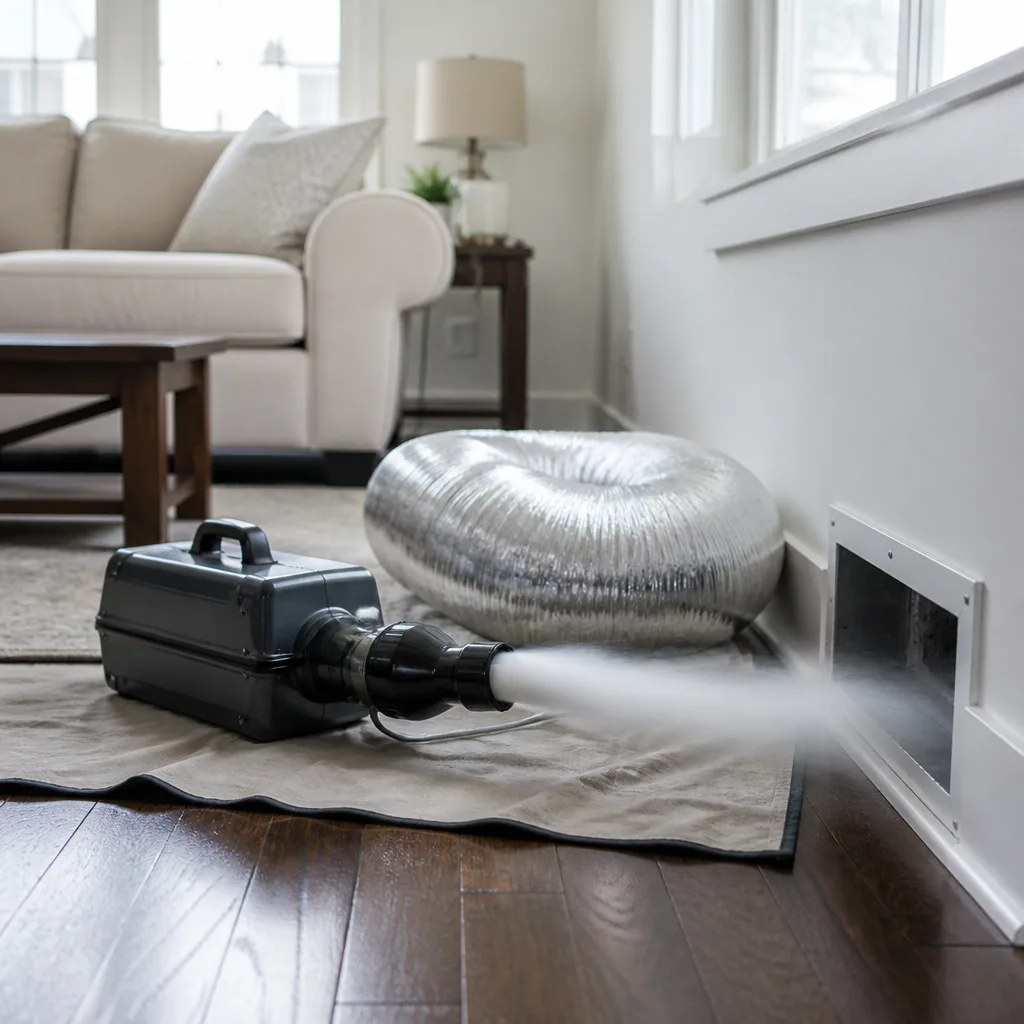 Sanitizing & deodorizing
Whole-system duct and dryer vent check with before-and-after photos - you see exactly what came out of your vents
That "$99 whole-house special" is a bait ad - the real number appears once they are in your hallway, or the "clean" is a shop-vac at the register. We photograph the inside of your ducts before and after instead.
Seasonal Air Duct Cleaning Care for Bay Ridge: Year-Round Homeowner’s Guide
The dirtiest air your ducts will move all year usually doesn’t come in January or July. It comes in the two weeks after you flip from heating to cooling, when a system that sat quiet for months starts pushing air in a new direction at higher speed and lifts everything that settled over the winter. Most Bay Ridge homeowners are watching the thermostat change and thinking about the switchover itself, not about what that switchover sends through the vents. This guide walks the full year in Bay Ridge, month by month, so you know what’s building up inside the system and when it’s worth acting.
Quick Answer
Air duct care in Bay Ridge works best on a seasonal rhythm, not a calendar year: inspect and clean after the heating season, before the cooling season starts, and again before the furnace comes back on. The riskiest stretch is the transition in late spring and again in fall, when a dormant system starts moving settled dust, pollen, and any moisture that gathered in the ducts. Regular inspection plus proper sealing between seasons keeps contamination from re-entering every time the system cycles.
Styles & brands we work with
- Whole-home duct cleaning
- Dryer vent cleaning
- Camera inspection
- Sanitizing & deodorizing
Table of Contents
- Why Bay Ridge’s Transition Months Matter More Than Summer or Winter
- Spring Startup: The Cooling Coil and Drain Pan Check
- Summer Humidity and Dew Point Inside Your Ducts
- Fall Heating Restart: What Wakes Up in the Ducts
- Winter Weatherization and Indoor Particulate
- A Month-by-Month Duct Care Calendar for Bay Ridge
- Clean, Seal, Then Breathe: The Full Air Pathway
- What Proper Equipment Actually Does Differently
Why Bay Ridge’s Transition Months Matter More Than Summer or Winter
Most homeowners think about duct cleaning in the extremes: the coldest week of the year, or the first hot stretch of summer. The real event happens between them. When a furnace or air handler sits idle for weeks, dust, pollen, lint, and whatever the return vents pulled in settle onto duct floors and coil surfaces. The first time you run the system in the new season, that settled layer gets lifted by a fan running at full speed and pushed into rooms that were clean the week before.
In Bay Ridge, the two transition windows come roughly in April, when the first warm stretch pushes people to switch on cooling, and in October, when the first cold nights turn the furnace back on. Both produce the same result: a burst of mobilized particulate in the first days of new-season operation. The air smells faintly stale or dusty, allergy symptoms flare for a week or two, and then people assume it passed.
It didn’t pass. Some of that load recirculates back into the return and settles again, and some lands on surfaces in the home. The reason the transition windows matter is that they’re the cheapest moment to intervene, before the new season’s worth of use packs more material onto the same surfaces.
There’s a second reason Bay Ridge’s transitions deserve attention. The neighborhood’s housing stock spans prewar apartment buildings, brick rowhouses, and postwar single-family homes, and each has its own duct layout. A rowhouse with a short return run behaves differently from a top-floor apartment with a long horizontal trunk. In our experience, the transition spike is sharper in homes with short return runs, because there’s less duct between the return grille and the air handler to hold the settled load back.
Spring Startup: The Cooling Coil and Drain Pan Check
Before the first cooling day of the year, the single most useful thing you can do for your ducts is look at the coil and the drain pan. The evaporator coil sits wet for most of the cooling season. The drain pan catches the condensate that runs off it. If either one carries a layer of dust from the winter, that dust becomes a food source the moment moisture returns, and the system then distributes the result through every supply register in the house for the entire summer.
This is why a spring check is worth doing before the first hot week, not after. Here’s how a proper spring startup inspection runs:
- Open the air handler cabinet and check the evaporator coil face for dust matting, lint, or visible biological growth.
- Inspect the drain pan for standing water, slime, and any debris that would block the drain line.
- Check the drain line itself for a clear flow and confirm the pan slopes toward the drain.
- Look at the return grilles and supply registers for dust buildup and confirm the return is sealed at the frame.
- Check the filter slot: a filter that sat all winter through the heating season is loaded, and a loaded filter lets dust bypass into the coil.
If the coil shows growth or heavy matting, cleaning it before the cooling season saves a summer of distribution. We’ve seen this play out often enough in Bay Ridge that we treat a spring motor-and-coil check as part of the normal HVAC cleaning work rather than an add-on.
Why the drain pan matters more than people expect
A drain pan that holds standing water is a habitat. Slime builds, the drain clogs, and water backs into the cabinet where the fan pulls air across it. That air goes into the ducts. If a Bay Ridge home has ever had a musty smell that appears only in humid weather, the drain pan is one of the first places to look, alongside the coil face and any duct section that runs through an unconditioned space.
Summer Humidity and Dew Point Inside Your Ducts
Bay Ridge’s summers carry a specific moisture load. The neighborhood sits on the harbor side of Brooklyn, where humidity runs high through July and August, and the dew point is the number that matters for ducts, not the temperature. Dew point is the temperature at which air has to cool before moisture condenses out of it. When duct surfaces drop below the dew point of the air around them, water forms on the inside of the duct, and that moisture film is where biological growth starts, even in a system that’s running normally.
That situation shows up in Bay Ridge in two common forms:
- Ducts routed through unconditioned space. A supply run that passes through a hot attic or a garage wall can sweat on the outside, but the inside surface also sits cold against humid return air. Insulation and sealing are what protect it.
- Long cooling cycles with a short run. A system that cools hard and shuts off leaves the coil and the first few feet of supply duct wet for a while after the fan stops. Repeated cycles build up moisture without ever flooding the pan.
The practical defense is threefold. Keep the filter clean so airflow stays at design, seal the ducts so humid air from the house doesn’t get pulled into the return path through gaps, and check the drain pan and coil after the first humid stretch. Adding a properly matched dehumidification or filtration component from Aprilaire or Honeywell can also help hold indoor humidity in a range where the ducts don’t stay wet. We supply and install those components as part of a full-system visit, which means the fix doesn’t require a second contractor after the cleaning.
What dew point levels to watch
As a rough guide for homeowners: when the outdoor dew point sits in the high 60s or above for days at a stretch, indoor surfaces that run cold are at real risk of condensation. Bay Ridge sees those stretches most summers. That’s when a musty smell from the vents is most likely to show up first in a basement or a closet that shares a wall with a duct chase.
Fall Heating Restart: What Wakes Up in the Ducts
When the furnace fires for the first time in October, the system does two things at once: it heats the air, and it starts moving the summer’s accumulation. The first heat cycle also produces that burnt-dust smell many homes notice in the first day or two of the season. It’s the dust that settled on the heat exchanger and in the supply trunks during the cooling months, cooking off and blowing into the rooms.
Fall is also the season when pest activity gets noticed in ducts. Mice and insects look for warmth as outdoor temperatures drop, and gaps in ductwork, disconnected joints, and open returns give them entry points. A duct system that isn’t sealed at the joints is a corridor as well as an air path. Before the furnace runs all season, it’s worth checking:
- Flexible duct sections in crawlspaces and attics for tears, sagging, or a disconnected collar.
- Return air chases and wall cavities for gaps that connect the duct system to the structure.
- Register boots for loose seals at the wall or floor, which let dust and unconditioned air into the supply.
- Any branch run that ends in a room with a history of cold drafts or dust streaks at the grille.
An October inspection catches pest entry and joint failures before the heating season puts them under continuous negative pressure. If the inspection finds a joint that’s let go, the repair and the cleaning belong in the same visit; sealing first means the cleaning stays effective. That’s the logic behind pairing cleaning with duct repair and sealing.
Winter Weatherization and Indoor Particulate
Weatherization is genuinely good for the house. Sealing air leaks around windows, doors, and the rim joist cuts heat loss and stops cold drafts. But there’s a trade-off inside the duct system that most weatherization guides skip: as infiltration drops, indoor particulate concentrates. Less outside air comes in through the leaks, so whatever the home generates, from cooking to candles to pets to the furnace itself, stays inside longer. The ducts become the main path for it to move around.
In Bay Ridge’s older housing stock, this shows up most clearly in homes that have done recent insulation or window work. The house feels tighter and warmer, and the return grilles start collecting dust visibly faster. That’s not a coincidence. Sealing the envelope means sealing the duct system becomes more important, because the ducts are now doing more of the air exchange work.
The winter routine that keeps up with it:
- Change the filter on schedule; tighter homes load filters faster.
- Check return grilles monthly for visible dust and vacuum the grille face when it shows.
- Confirm the ducts are sealed at the seams and boots, so the concentrated indoor dust isn’t pulled through wall cavities on its way to the return.
- Schedule a whole-system inspection before the season turns, so the transition window is handled before it happens.
Winter is also a sensible time for a scheduled air duct cleaning, since the system is running and the work is straightforward to plan around.
A Month-by-Month Duct Care Calendar for Bay Ridge
Generic national calendars miss the local timing. Bay Ridge’s sequence runs on the harbor humidity and the heating season, not on a national average. Here’s the year as we’d pace it:
- January. Filter changes on schedule and a monthly look at return grilles. Winter concentrations build now.
- February. Check the furnace cabinet and heat exchanger area for dust buildup; a filter that loads early here suggests a leaky return.
- March. The quiet month. Good time to plan the spring work and to have the ducts inspected before the first warm stretch.
- April. Spring startup. Coil, drain pan, and drain line check; the cleaning that clears the winter’s settled load before cooling begins.
- May. Seal anything the spring inspection found loose. This is the month that decides how the summer goes.
- June. Watch for musty odors during the first humid stretch; check the drain pan again after heavy cooling weeks.
- July and August. Filter discipline and humidity awareness. If a musty smell persists, the ducts, coil, or a wet duct section is the place to look.
- September. Pre-heating-season inspection. Pest entry, joint failures, and debris from summer.
- October. Furnace restart. This is the second transition window; clean and seal before the heating season runs continuously.
- November and December. Weatherization season. After any air-sealing work, check that ducts are sealed to match, and expect the filter to load faster.
Every Bay Ridge home is different, and one with pets, recent renovation dust, or a basement duct run may need two cleanings in a year while another gets by with one plus a sealing job. The calendar is a starting rhythm, not a fixed schedule.
Clean, Seal, Then Breathe: The Full Air Pathway
Cleaning alone leaves the system halfway done. A duct system that’s clean but still leaky pulls dust in through the very gaps the cleaning just cleared around, and the contamination returns within a season. That’s why we treat the air pathway as a connected system: intake at the return, through the air handler and coil, out through the supply trunks and boots, and out of the house through the exhaust side, including the dryer vent.
In practice, a full-pathway approach covers five lines of work:
- Air duct cleaning to clear the whole system, not just the visible branches.
- dryer vent cleaning as its own service, because a blocked dryer vent is a documented fire risk that HVAC contractors often skip.
- HVAC cleaning of the coil, blower, and cabinet, where most of the biological growth begins.
- Duct repair and sealing to close the gaps that let contamination back in.
- Air quality and sanitizing, using Guardsman products where a treatment is warranted, plus filtration and humidity components from Honeywell and Aprilaire.
The order matters. Clean first, then seal, then improve. A sealing job done before the ducts are clean locks the contamination inside. Two of our technicians carry up to 15 years of experience with this sequence, and it’s the order we follow every time.
What Proper Equipment Actually Does Differently
The cleaning equipment is where most of the difference lives, and it’s worth knowing what to look for when you compare estimates. A shop vacuum and a brush on a stick will pull some loose dust from a register, but it won’t reach the length of a supply trunk or the top surface of a horizontal run, and it won’t capture what it disturbs. Professional-grade tools do both.
We run Rotobrush and Nikro rotary brush and vacuum systems, which are purpose-built for duct interiors, not improvised. Alongside them we use Abatement Technologies air filtration equipment to hold the dislodged material rather than let it recirculate into the room during the job. That containment standard is the same one used in mold and remediation work, and it’s the reason a whole-system cleaning done properly doesn’t leave the house dustier than it started.
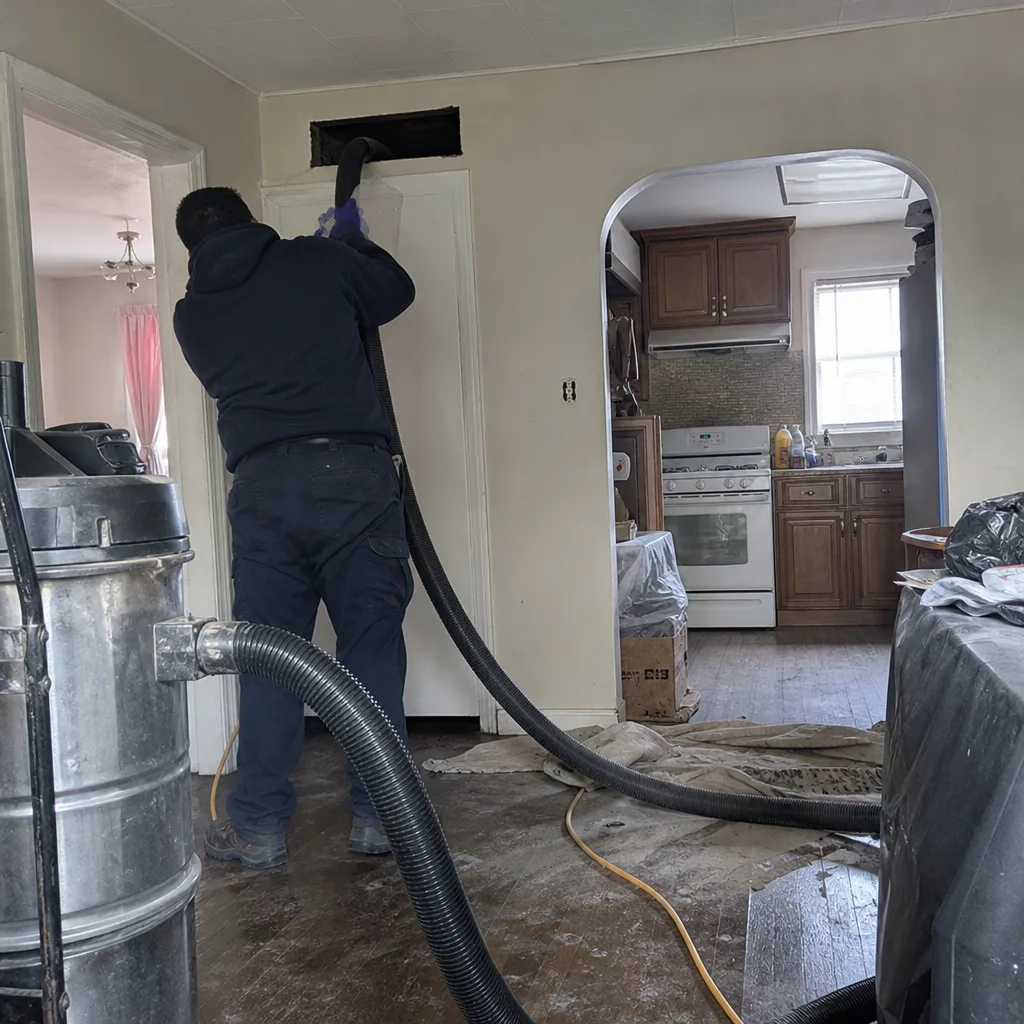
If you’re comparing quotes, ask what equipment the crew will bring, how they’ll contain the dust during the work, and whether they’ll show you before-and-after photos of your own ducts. Those three questions separate a real full-system clean from a register wipe.
Common Mistakes to Avoid
- Only cleaning in reaction to a smell. By the time an odor shows up, the growth is established. The transition windows in April and October are the cheaper time to intervene, before the system has distributed a season’s worth of material.
- Cleaning before checking the coil and drain pan. A clean duct attached to a dirty, wet evaporator coil gets recontaminated in weeks. In Bay Ridge’s humid summers, the coil and pan are where the problem starts.
- Sealing the ducts without cleaning first. Weatherization and duct sealing done ahead of cleaning trap the settled load inside. Clean, then seal, every time.
- Treating the dryer vent as a separate contractor’s problem. It’s part of the same exhaust pathway and a documented fire risk when lint blocks it. Skipping it leaves half the system unaddressed.
- Relying on aromatics and plug-ins. A musty smell from the vents is a moisture signal, not a fragrance problem. Covering it doesn’t fix the coil, pan, or duct section causing it.
- Running a loaded filter through the season change. A filter that’s already loaded lets dust bypass to the coil. Change it before the first cooling day and before the first heating day, not after.
- Skipping the fall inspection. Pest entry, loose duct joints, and summer debris are easiest to catch before the heating season runs continuously and puts the whole system under pressure.
See the difference
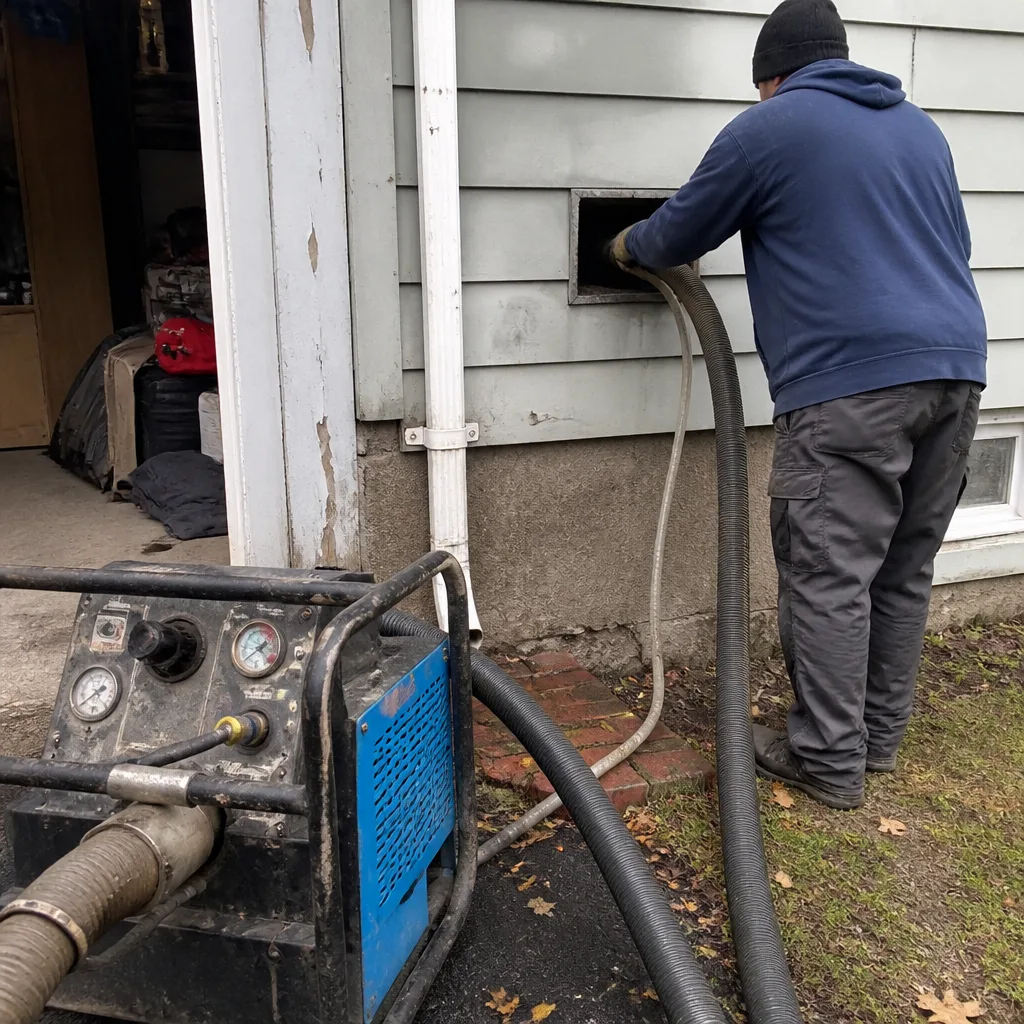 Before
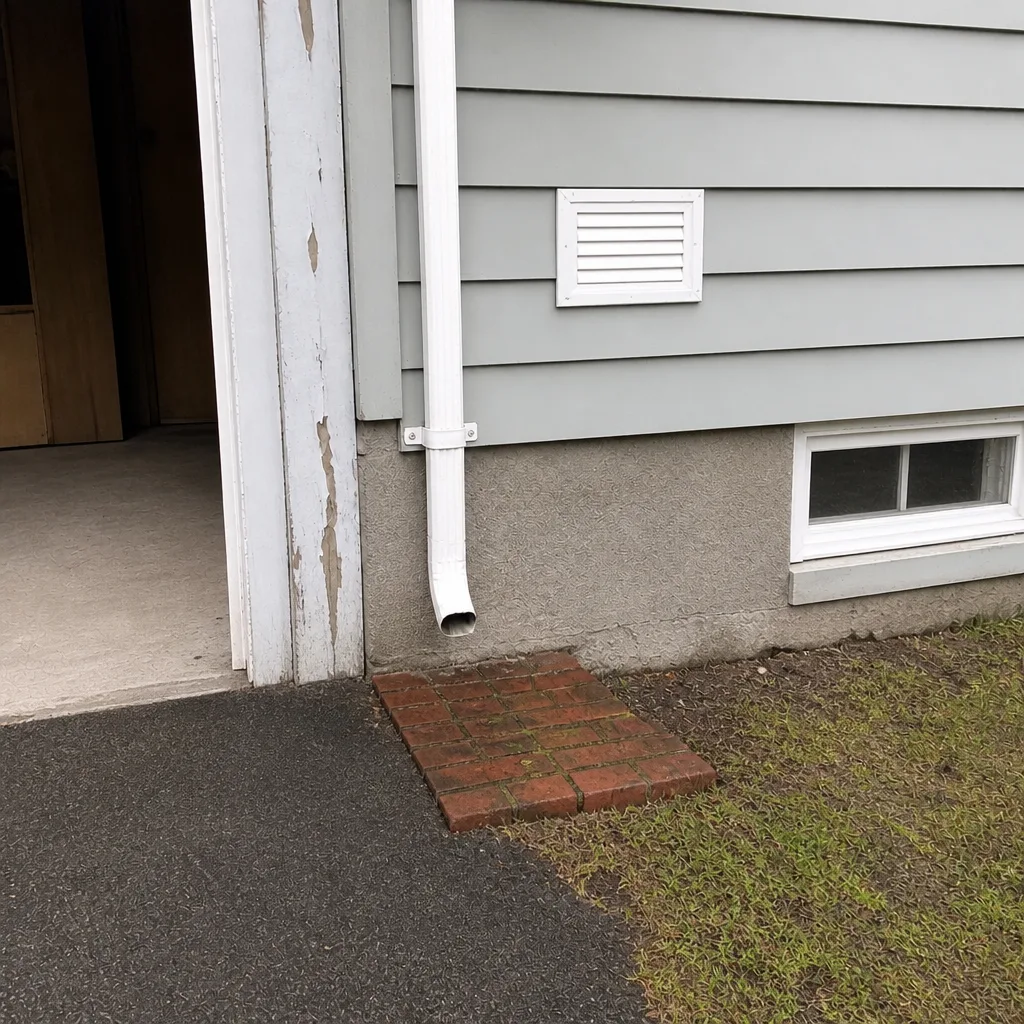 After
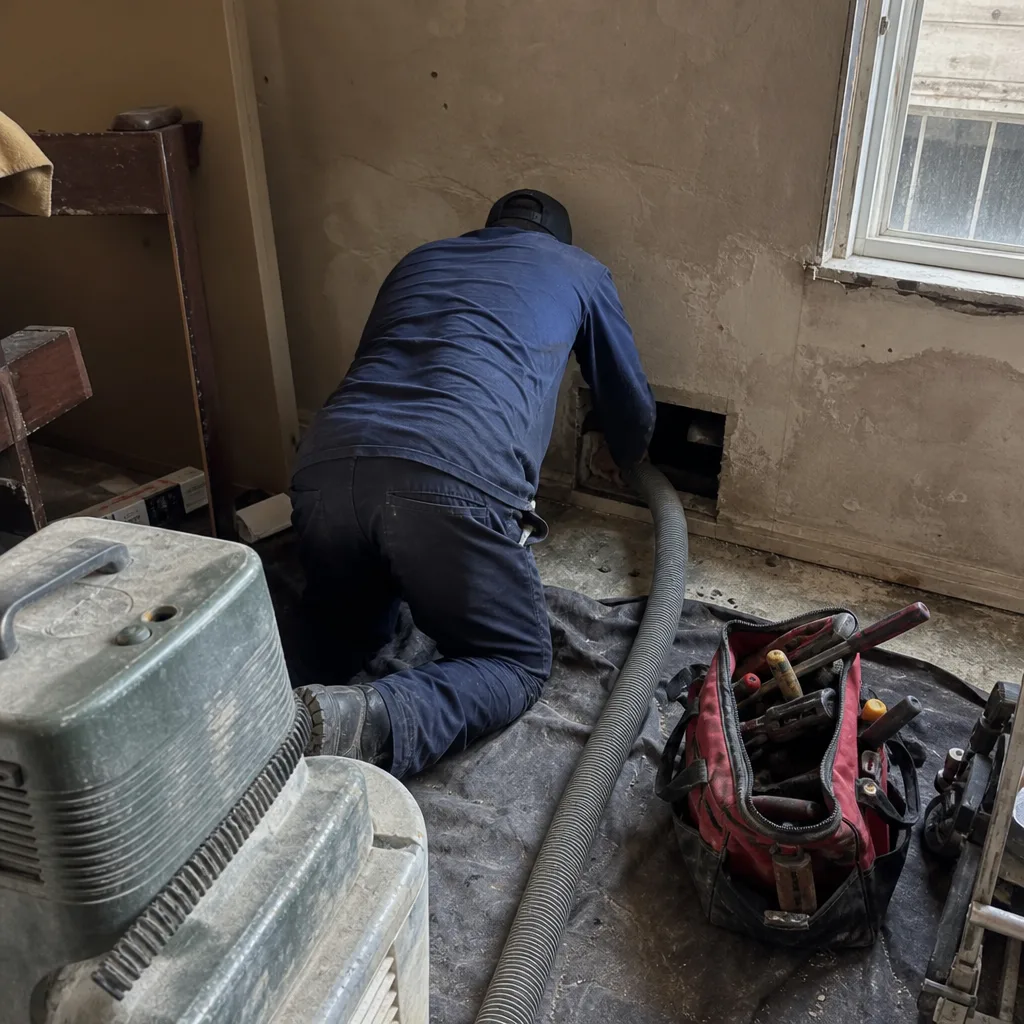 Before
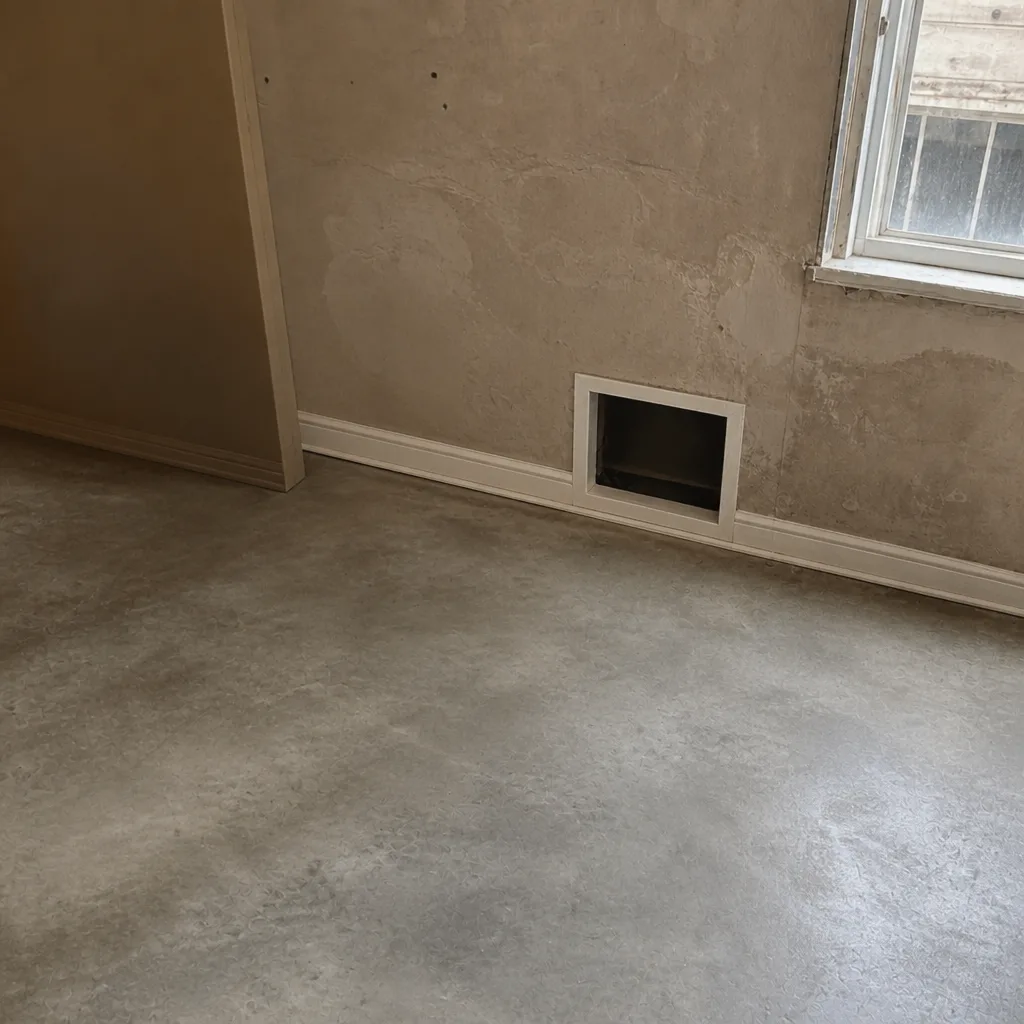 After
 Before
 After
When to Call a Professional
Some checks belong in your own routine: filter changes, grille cleaning, and a look at the drain pan. Others need equipment and training. Call a professional when a musty smell persists through the cooling season, when the coil shows visible growth or matting, when a duct joint in an attic or crawlspace has come apart, or when a renovation has left construction dust in the return path. The same applies if you’ve just weatherized the house and the return grilles are loading visibly faster than before, or if the dryer is taking longer than usual to dry a load.
Air Duct Cleaning Bay Ridge offers free estimates in Bay Ridge. Call (877) 938-5572. We answer 24/7. Fast dispatch from 7am to 7pm, Sunday through Friday.
It’s also worth knowing that the estimate is set per job by the written estimate, so you know the price before any work starts, and you’ll see before-and-after photos of your own system.
Frequently Asked Questions
Once a year for most Bay Ridge homes, timed to the spring transition before the cooling season, with a fall inspection before the furnace restarts. Homes with pets, recent renovation dust, allergy concerns, or a basement duct run often do better with cleaning twice a year. The right answer for a specific house depends on the coil condition, the sealing, and the filter discipline.
Because the humidity is the cause. When duct surfaces or the evaporator coil fall below the dew point of the surrounding air, moisture forms and biological growth follows. The musty smell is a signal to check the coil, the drain pan, and any duct section running through an unconditioned space. Call (877) 938-5572 for an estimate if the smell persists.
It’s common but not something to ignore year after year. The burnt-dust smell at the first heating run is dust that collected on the heat exchanger and in the supply trunks over the cooling season burning off. If it lingers past a few days or comes back during the season, the system needs a look.
Yes, and it’s the step most likely to be skipped. A clean duct with open joints pulls dust and unconditioned air back in within a season. Sealing closes the path the contamination uses to re-enter, and it stops the energy loss through the same gaps. Clean, then seal, is the sequence that holds.
You can clean the visible reach of a register, and that’s worth doing. You can’t reach a full trunk run, the top surface of a horizontal duct, or the coil face, and a shop vacuum won’t contain what it disturbs. Whole-system cleaning needs rotary brush and vacuum equipment with filtration that captures dislodged material, which is what we bring.
An inspection covers the return grilles and supply registers, the coil and drain pan, the filter slot, the duct joints in any accessible space, and the dryer vent as a separate line. You’ll get a written estimate per job, and photos of what we find. Call (877) 938-5572 for a free estimate.
The Bottom Line
Bay Ridge’s duct problems run on the calendar, and the calendar is set by the transition months, not the extremes. The two highest-value moments to act are the spring startup, when the coil and drain pan decide how the whole cooling season will go, and the fall restart, when settled summer debris and pest entry get pushed through the system for the first time. Winter weatherization makes the ducts work harder, so sealing matters more after envelope work, and summer humidity decides whether a wet surface turns into growth. Clean, then seal, then improve filtration and humidity control if the house needs it. Handle the two transitions and the rest of the year gets easier.
Written by the team at Air Duct Cleaning Bay Ridge.