
Last updated November 22, 2026
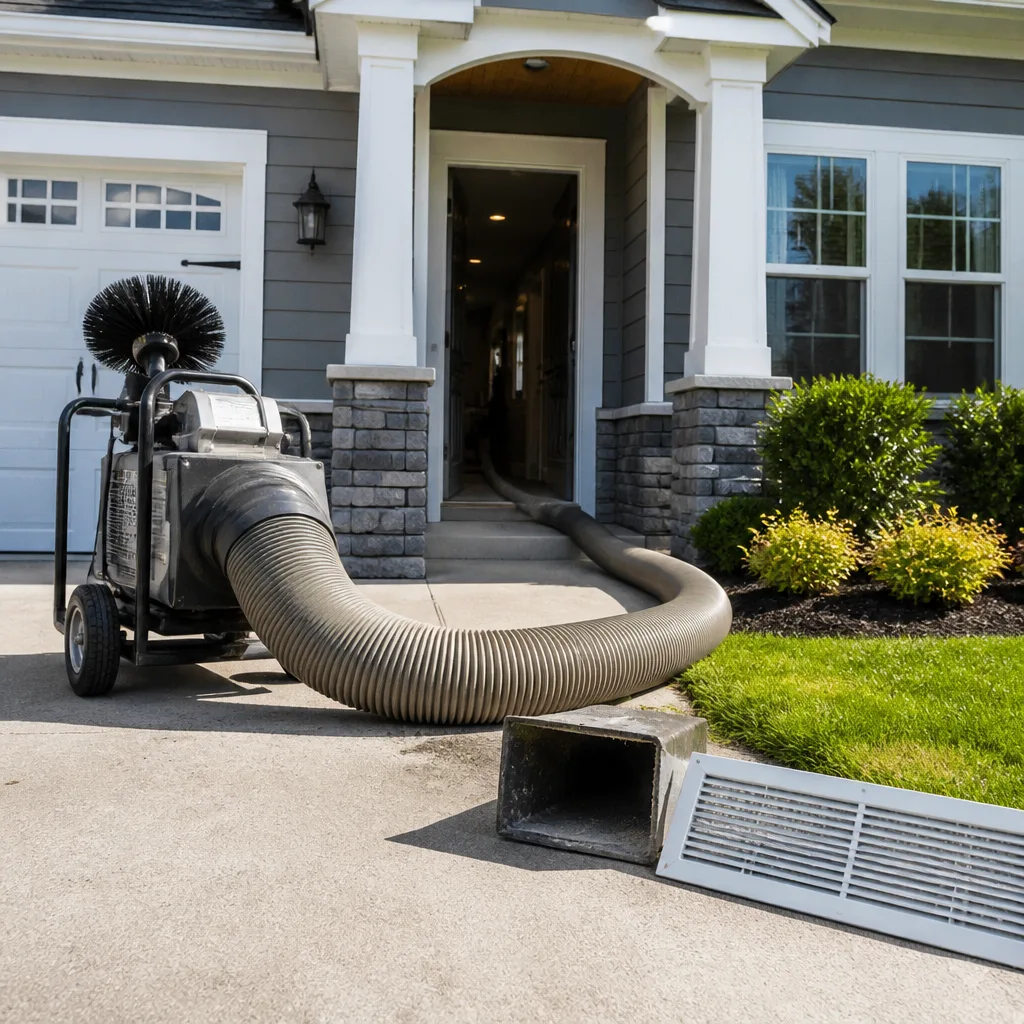 Whole-home duct cleaning
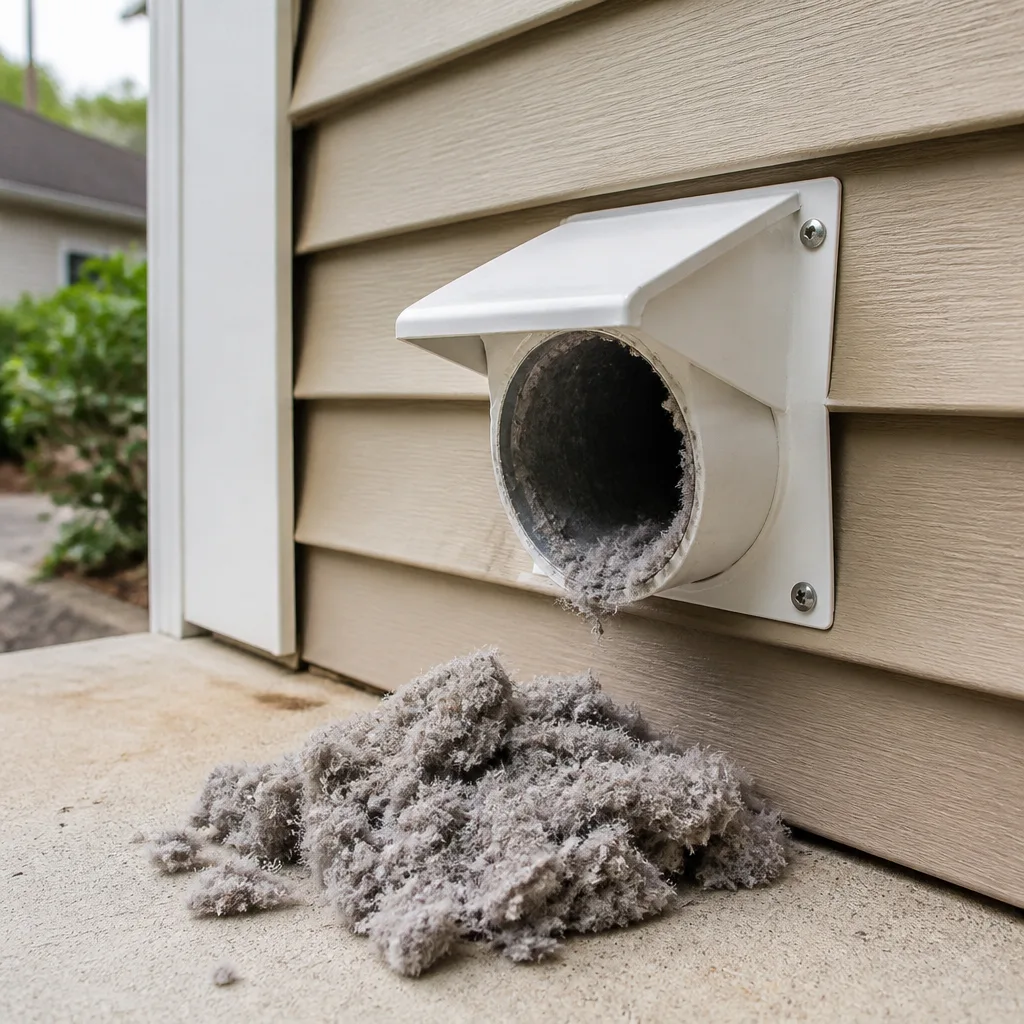 Dryer vent cleaning
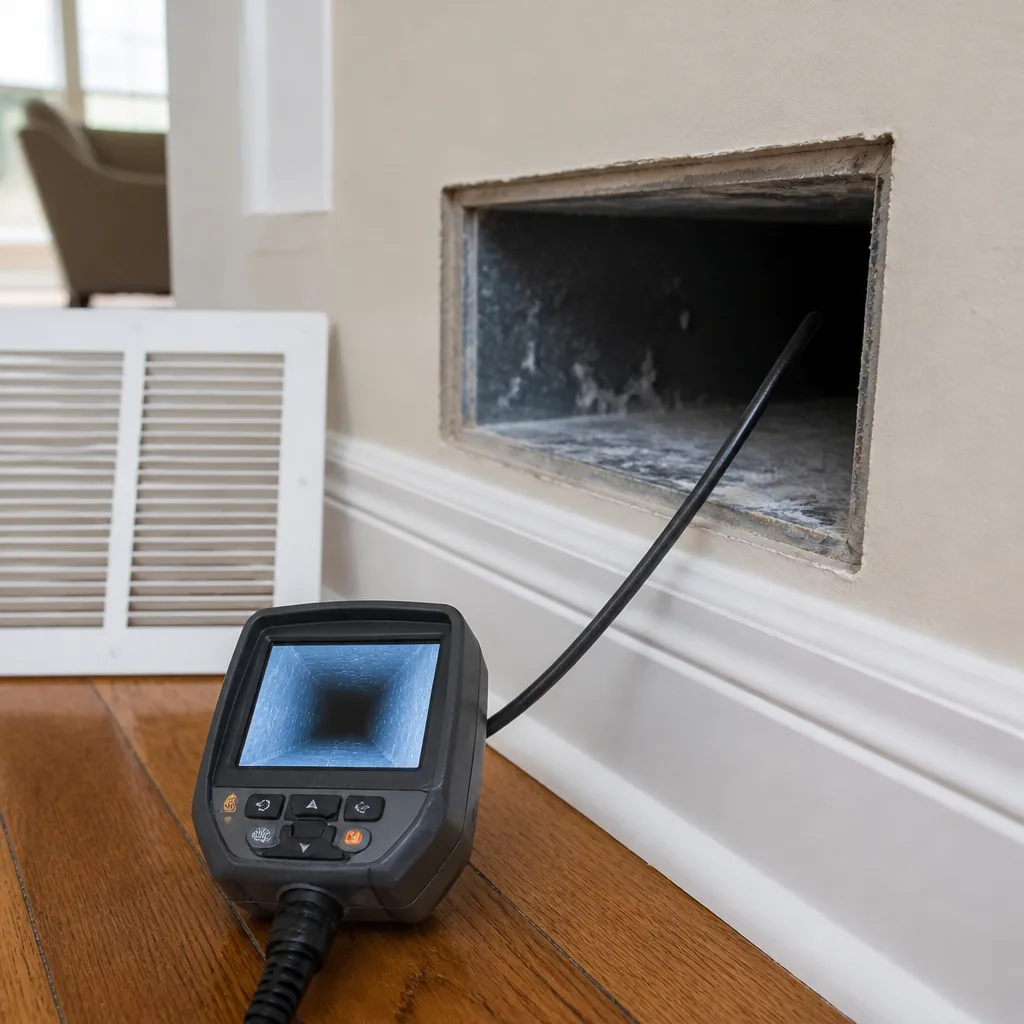 Camera inspection
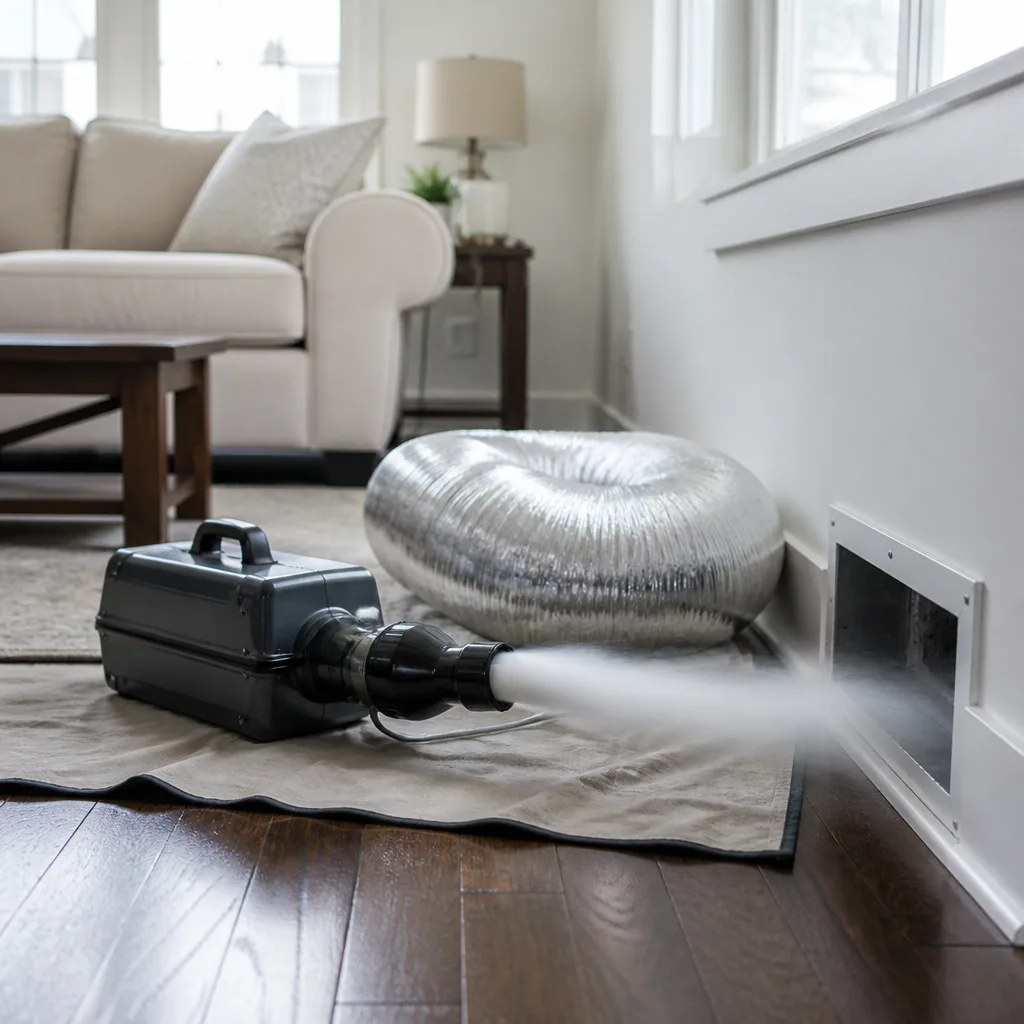 Sanitizing & deodorizing
Whole-system duct and dryer vent check with before-and-after photos - you see exactly what came out of your vents
That "$99 whole-house special" is a bait ad - the real number appears once they are in your hallway, or the "clean" is a shop-vac at the register. We photograph the inside of your ducts before and after instead.
Air Duct Cleaning Cost Breakdown: The Bay Ridge Homeowner’s Reference for 2026
A $299 whole-house duct cleaning quote and a $1,200 quote can describe the exact same house. The gap isn’t always quality. It’s scope definition: how many vents are counted, whether the plenum and trunk lines are included, whether the blower gets pulled, whether sanitizer is a separate line, and what model the contractor used to build the number. In Bay Ridge, where row houses, pre-war co-ops and detached singles sit blocks apart with wildly different duct layouts, that scope gap gets wide fast. This guide breaks down how 2026 pricing actually works here, what the ranges look like by housing type, and how to read a quote so you can compare bids on equal footing.
Quick Answer
Air duct cleaning in Bay Ridge in 2026 typically runs about $450 to $900 for a co-op unit or small row house, $700 to $1,400 for a full row house, and $1,000 to $2,200 for a larger detached single-family home. The final price depends on vent count, system layout, and whether repair, sealing, or dryer vent work is bundled in. The written estimate, not the phone quote, sets the price. Call (877) 938-5572 for a free estimate. We answer 24/7. Fast dispatch from 7am to 7pm, Sunday through Friday.
Styles & brands we work with
- Whole-home duct cleaning
- Dryer vent cleaning
- Camera inspection
- Sanitizing & deodorizing
Table of Contents
- The Six Pricing Models You’ll See in Bay Ridge
- What Air Duct Cleaning Costs by Housing Type
- Add-On Line Items: Legitimate vs. Upsell Pressure
- How Bay Ridge’s Housing Stock Affects Labor Time
- Why Two Contractors Quote Differently for the Same Job
- How to Structure Your 2026 Air Quality Budget
- How to Read and Compare a Duct Cleaning Quote
- How to Know the Work Was Actually Done
The Six Pricing Models You’ll See in Bay Ridge
Air duct cleaning is priced under at least six different models running side by side in this neighborhood, and most homeowners never realize which one they’re looking at. That’s the root of the confusion. A per-vent quote and a flat-rate quote can look similar on a business card and produce very different invoices.
Here’s what each model actually means:
- Per-vent pricing. The contractor charges a set fee for each supply and return register. The number looks small until the vent count is tallied. A Bay Ridge row house with 14 registers multiplies fast, and the model punishes homes with more vents rather than homes with more work.
- Per-square-foot pricing. Billed by floor area. Reasonable on paper, but it ignores layout complexity. A compact pre-war co-op with long, winding branch runs can cost more labor than a larger open-plan unit with short runs.
- Flat-rate whole-system pricing. One number for the whole system, defined in the written scope. This is the model that makes comparison possible, because the scope is stated up front. One flat price per system, agreed before work starts, is how we quote.
- Hourly pricing. Common for HVAC and coil work, rare for duct cleaning. It transfers the risk of a slow job to you, which is one reason we avoid it for cleaning.
- System-based pricing. Priced by the number of separate systems in the home. A two-zone row house is two systems even if it’s one address.
- Add-on structures. A low base price that becomes a real invoice once coil cleaning, sanitizer, dryer vent, and filtration upgrades are added on site. This is where bait-and-switch lives.
When you call for a quote, ask directly which model the contractor uses. If the answer is vague, the invoice will be vague too.
What Air Duct Cleaning Costs by Housing Type
Bay Ridge’s housing stock splits into three rough categories, and each carries a different typical range. These are estimates for 2026, not fixed prices, and the written estimate on your specific system is what counts.
| Housing Type | Typical Square Footage | Typical Vent Count | Estimated Range |
|---|---|---|---|
| Co-op or condo unit | 600-1,000 sq ft | 6-10 registers | $450-$900 |
| Row house (two or three floors) | 1,200-2,000 sq ft | 10-18 registers | $700-$1,400 |
| Detached single-family | 1,800-3,000+ sq ft | 16-28 registers, often two zones | $1,000-$2,200 |
Those ranges assume standard cleaning: all supply and return runs, registers, grilles, and the main trunk and plenum where accessible. They don’t assume repair, sealing, sanitizing, or dryer vent work. Each of those is priced separately and should appear as its own line on the estimate.
Why the vent count matters more than the square footage
A 1,400-square-foot row house with 16 small registers can take longer to clean properly than a 2,000-square-foot detached home with 14 larger ones, because each register is a separate access point, a separate brush pass, and a separate vacuum connection. When a quote is built on square footage alone, ask how many registers are actually in the scope. The number of access points is the real labor driver.
For a full breakdown of what our air duct cleaning visit includes, the scope is listed end to end so you can compare it against any other quote.
Add-On Line Items: Legitimate vs. Upsell Pressure
Some add-ons are real, necessary work with a fair price. Some exist to inflate a low base quote once the technician is already inside. Knowing the difference before the appointment is the single best defense against a surprise invoice.
Legitimate line items
- Coil cleaning. The evaporator coil sits wet for much of the cooling season and collects dust and biological growth. Cleaning it is separate labor from duct cleaning and priced separately, but it’s real work and worth doing on a system that hasn’t been serviced in years.
- Sanitizer application. A legitimate step after cleaning when there’s microbial growth or odor. We use Guardsman-brand products for this, and it should be quoted as its own line, not slipped in.
- dryer vent cleaning. A separate service and a separate risk category. Lint buildup in the dryer exhaust is a documented cause of residential fires, and cleaning it is a distinct job from duct cleaning. It should always be its own priced line, not a hidden bundle.
Pressure tactics
- “Anti-microbial coating” sprayed through the whole system. Ask what product, what active ingredient, and why. If no specific product name is on the quote, it’s not a defined service.
- Add-ons pitched after the work starts. Any line item not on the written estimate should be declined or deferred to a new written quote.
- “Your ducts are dangerous” language with no measurements. A professional explains what was found, where, and what the recommendation is. Alarm without evidence is a sales script.
One flat price per system, agreed in writing before work starts, removes the pressure entirely. You know the number before anyone touches the system.
How Bay Ridge’s Housing Stock Affects Labor Time
Duct layout, not duct length, decides how long a cleaning takes. Bay Ridge has two dominant configurations, and they behave very differently in the field.
Pre-war octopus systems
Many pre-war co-op and row house buildings run what the trade calls an octopus system: a central plenum that branches outward to individual registers in every direction, often through tight soffits and closets. These systems take longer to clean well because:
- Branch runs are short, numerous, and often inaccessible without pulling registers and opening access points.
- Pipe insulation and older duct materials require a gentler approach than rigid metal trunk lines.
- The vacuum has to be connected at multiple points to establish real negative pressure through every branch.
An octopus system is the biggest single reason a Bay Ridge quote lands above a generic per-vent price. The scope has to count branches, not just square footage.
Modern trunk-and-branch layouts
Newer detached homes and renovated row houses typically use trunk-and-branch ductwork: one large rectangular trunk with short round branches to each room. Fewer access points, straighter runs, and faster labor. Cleaning these properly is quicker, and pricing usually reflects that.
Rotary brush systems like the Rotobrush and high-vacuum equipment like the Nikro are built for exactly this variety. The brush and hose have to negotiate short, angled runs without damaging the duct wall. Improvised shop vacuums can’t establish the airflow needed to pull loosened debris out of a long branch.
The same housing-stock math applies to HVAC cleaning, where the air handler and coil are involved and the layout of the mechanical closet matters as much as the ducts themselves.
Why Two Contractors Quote Differently for the Same Job
Quality isn’t the only variable between a $500 quote and a $1,100 quote. Several structural costs sit behind the number, and understanding them helps you judge whether a quote is thin or simply built differently.
- Insurance and licensing cost. A contractor carrying proper liability coverage and workers’ comp builds those premiums into the price. The local professional we connect you with is licensed and insured as their state requires. A bid well below market often skips that.
- Equipment depreciation. A Rotobrush rotary brush system and an Abatement Technologies air filtration unit are significant capital assets. The contractor who owns that equipment prices its upkeep in. The contractor with a shop vac and a hose doesn’t, which is one reason the cheap quote is cheap.
- Crew size. Two technicians complete a row house in a reasonable window; one technician plus a helper takes longer. Both can produce a fair price, but a one-person crew with no containment equipment will always quote lower.
- Containment and disposal. HEPA-filtered debris capture and proper disposal are real costs. We use Abatement Technologies filtration during service to capture dislodged contaminants rather than recirculate them, and that’s a line-item cost the low bid may not include.
- Scope definition. The biggest one. A quote that lists 10 registers and a trunk clean is a genuinely smaller job than one that lists 16 registers, three access cuts, and a coil clean. They aren’t the same job, so they shouldn’t be the same price.
When you line up three quotes, line up the scopes beside them. The lowest number attached to the smallest scope isn’t actually cheaper.
How to Structure Your 2026 Air Quality Budget
If your system needs more than a cleaning, sequencing matters. Doing the right work in the right order gets more out of each dollar than booking everything at once.
- Start with inspection and assessment. Before you commit to anything, have the system looked at. What’s actually in the ducts, how many registers, how the branches run, whether there are disconnected sections, whether the coil is fouled. Everything else follows from what’s found.
- Clean the system first. Cleaning establishes a baseline. You can’t seal a dirty system and expect it to stay clean, and you can’t evaluate a coil properly until the ducts around it are clear.
- Address repair and sealing next. Clean ducts, then seal them. Duct Repair & Sealing closes the gaps and disconnected joints that let contaminants and conditioned air escape. Sealing after cleaning is what makes the cleaning last.
- Then handle the coil and air handler. Coil cleaning and HVAC cleaning belong after the ducts are clean, because cleaning the coil first just means it gets dusted again during duct work.
- Add filtration and humidity control last. We supply and install Honeywell and Aprilaire air-quality products, and a filtration upgrade is most effective when it’s protecting a system that’s already clean and sealed. Doing it first wastes the filter on a contaminated system.
- Book dryer vent cleaning as its own service. It’s a separate pathway with a separate risk profile, and it’s worth scheduling independently of the duct work.
That sequence – assess, clean, repair and seal, clean the coil, upgrade filtration, service the dryer vent – is the one that avoids paying twice for the same work.
How to Read and Compare a Duct Cleaning Quote
A quote you can’t compare isn’t a quote. Here’s what a readable estimate should contain, and what to ask when it doesn’t.
- Vent count, listed. Every supply and return register in the scope, counted.
- What’s included in the base price. Trunk lines, plenum, air handler, registers, grilles. Each one stated, not assumed.
- What’s excluded. Coil cleaning, sanitizer, dryer vent, repair, sealing. Each priced separately or explicitly listed as not included.
- Access approach. How the technician will get to the branches, and whether access cuts will be made and sealed afterward.
- Equipment named. A quote that names the equipment gives you something to verify. Ours lists Rotobrush and Nikro rotary brush and vacuum systems.
- The final number. The written estimate sets the final price. One flat price per system, agreed before work starts.
Ask for the written scope before you agree to anything. Any contractor who won’t put the scope in writing is telling you something.
How to Know the Work Was Actually Done
Half of what you’re paying for happens inside the ductwork, out of sight. Verifying it is fair. Here’s what to expect and what to ask.
- Before-and-after photos. We provide before-and-after photos of your own ducts, not stock images. Ask any contractor for the same.
- Containment visible during work. A vacuum hose connected to a HEPA filtration unit should be running throughout. If the technician is working with a shop vac and no containment, debris is going into the air around it.
- Access points sealed afterward. Any cut made for access should be sealed before the technician leaves. Unsealed cuts are a leak and a recontamination point.
- Register grilles removed and cleaned. The grilles are part of the system, not decoration. They come off, get cleaned, and go back.
A systematic job looks different than a token one, and it should feel like it when you inspect the house afterward.
Common Mistakes to Avoid
- Comparing quotes without comparing scopes. A $299 quote for “whole-house duct cleaning” and a $900 quote for the same phrase can be describing completely different work. Always line up what’s included before you line up the numbers.
- Accepting a per-vent price without asking the vent count. Per-vent pricing only makes sense when the contractor states how many vents are in the scope. Otherwise the number is meaningless until the technician is inside.
- Booking cleaning before the system has been assessed. If the ducts need repair or a disconnected section exists, cleaning first means cleaning again after the repair. Have the system looked at before you commit to a job.
- Skipping the dryer vent because it wasn’t on the quote. Dryer vent cleaning is a separate service with its own risk profile. If the quote doesn’t mention it, ask about it directly.
- Believing an “anti-microbial coating” line without a product name. Vague add-ons are where the invoice grows. Ask for the product name and why it’s needed.
- Paying for a low quote and skipping containment. A cheap job without HEPA capture recirculates what it dislodges. The containment cost is part of doing the work correctly.
- Treating cleaning and sealing as separate, unrelated decisions. Clean ducts, then seal them. If the system has gaps, cleaning alone leaves the same entry points open.
See the difference
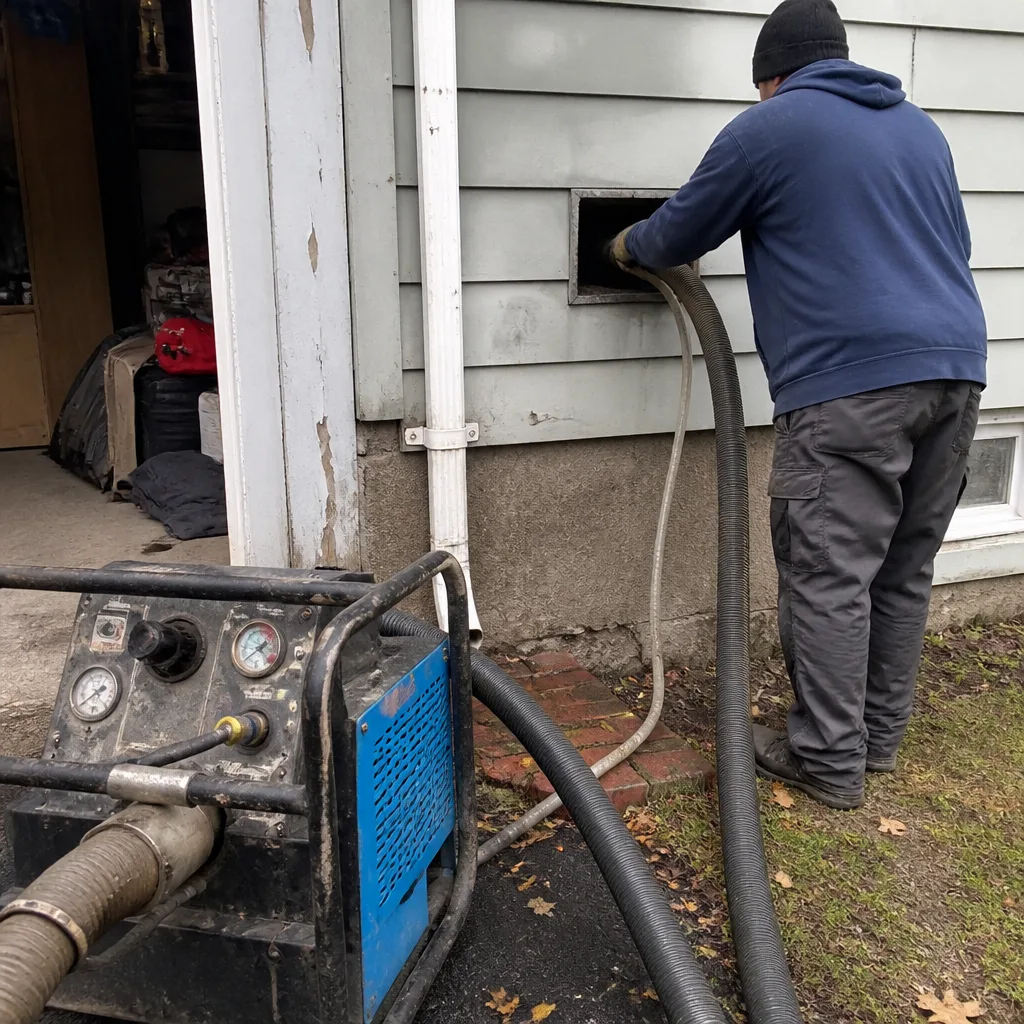 Before
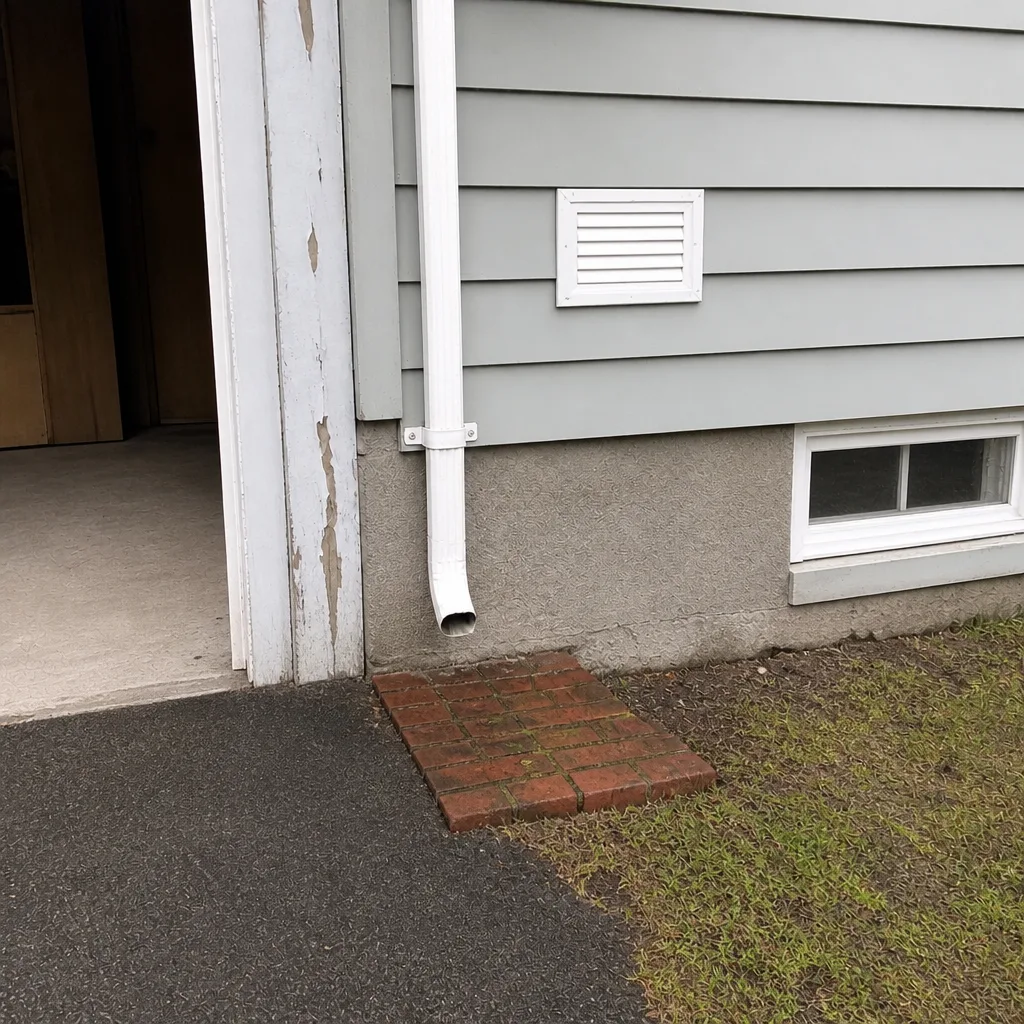 After
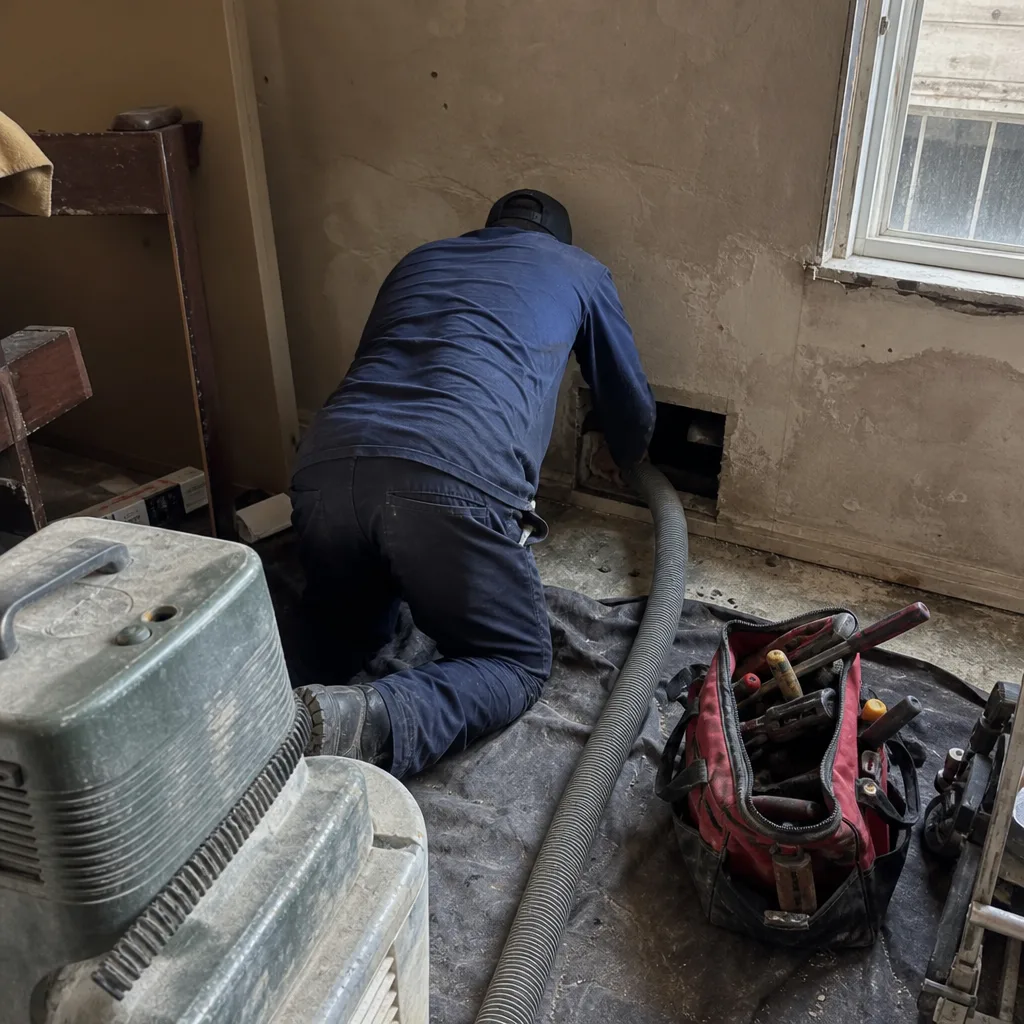 Before
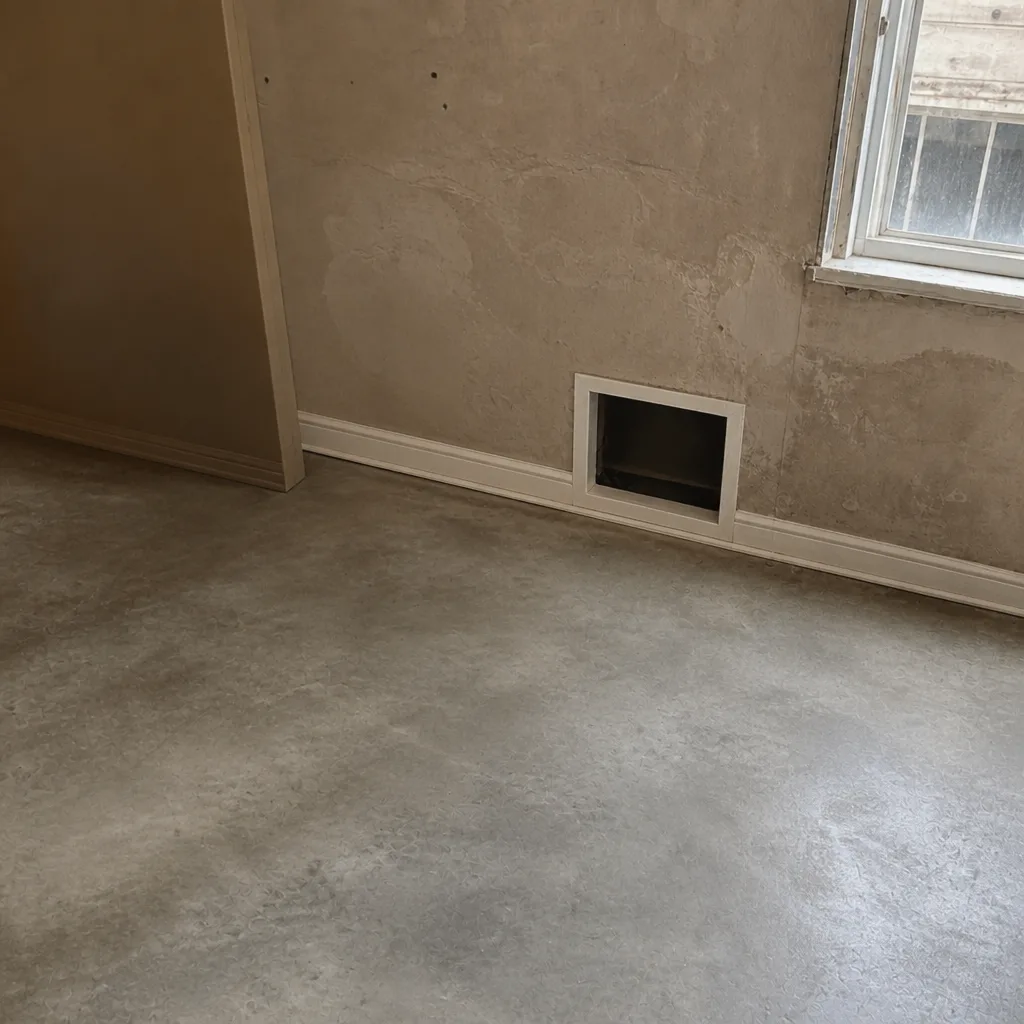 After
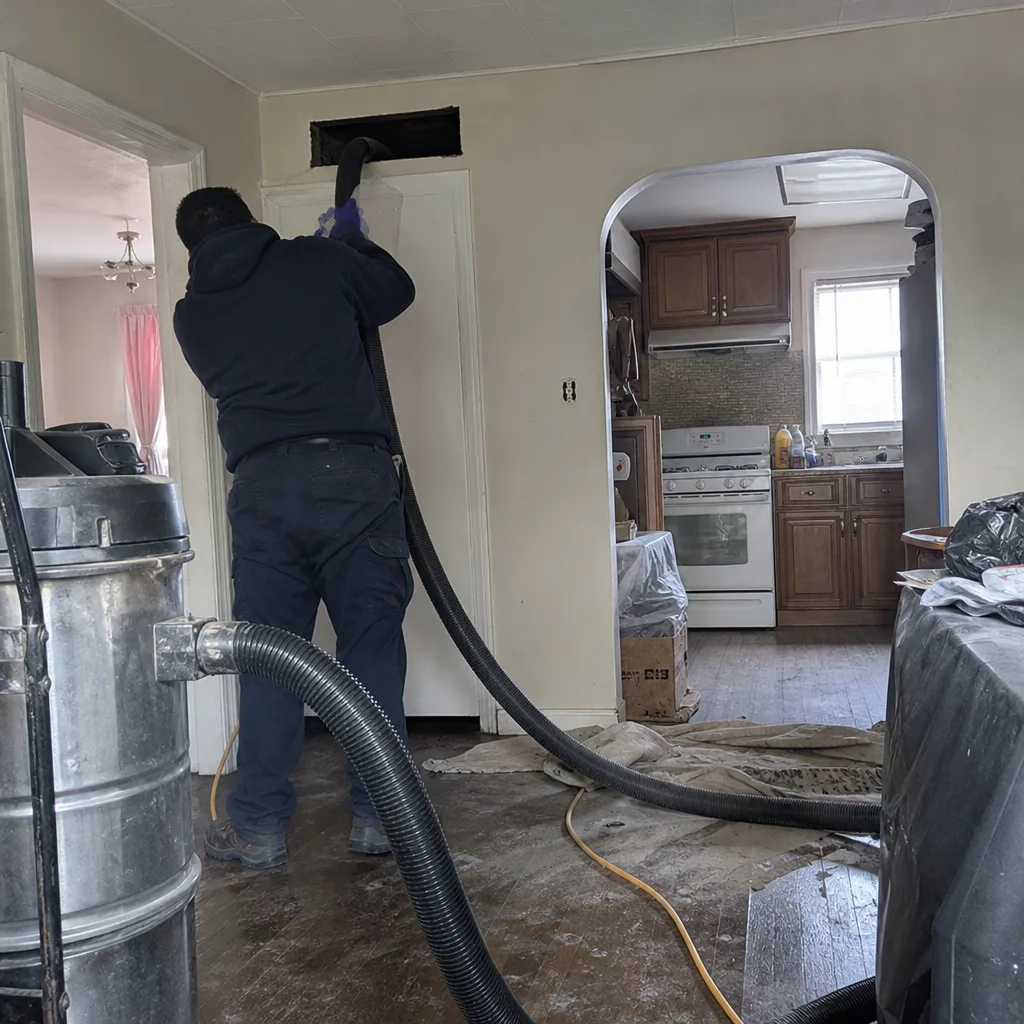 Before
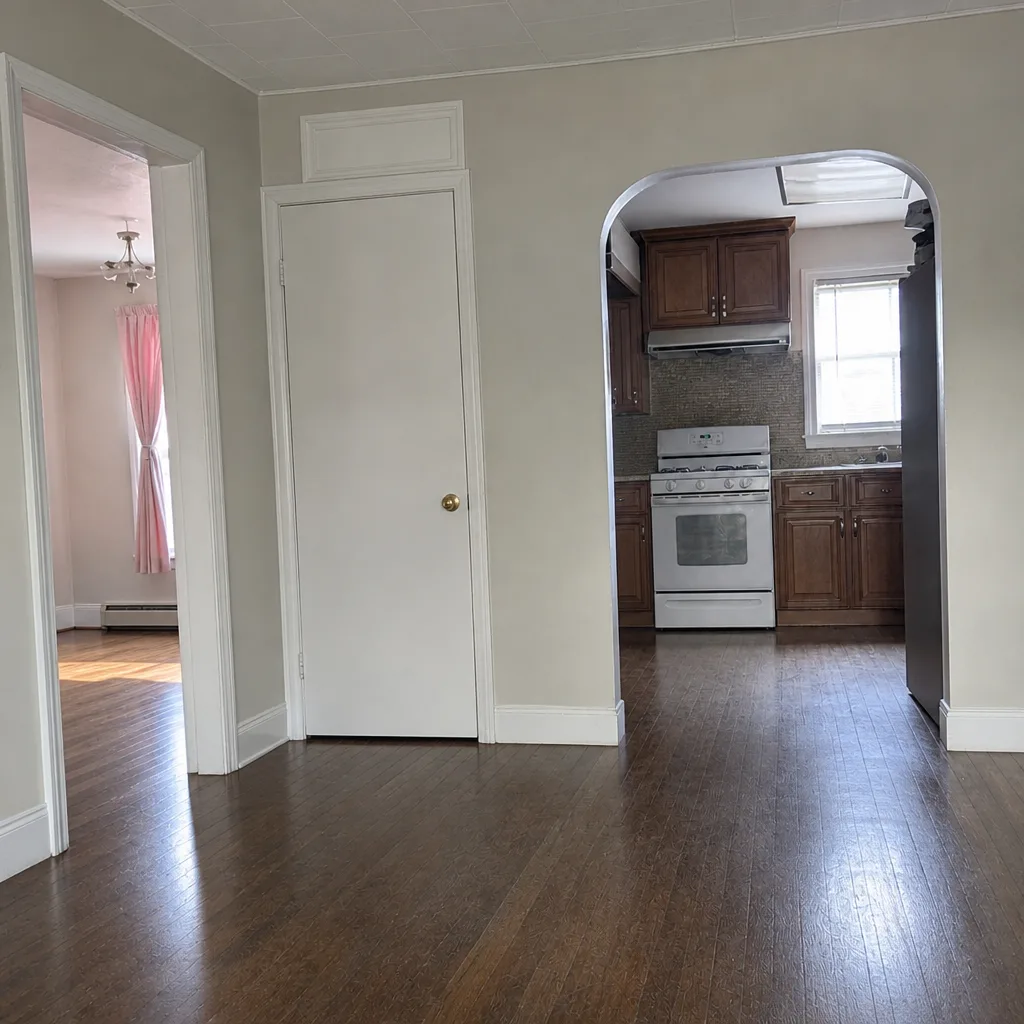 After
When to Call a Professional
Some signs point to a cleaning; some point to a repair; some point to both. Call us when you notice a persistent musty smell when the system runs, visible dust plumes from a register, recent renovation or water damage that may have pushed debris or moisture into the ducts, uneven airflow between rooms that suggests a disconnected or leaking branch, or a dryer that takes more than one cycle to finish a load. Call us if the system hasn’t been looked at in years and you’re planning a renovation, since cleaning and sealing before the work is cheaper than cleaning and sealing after. And call if you’re simply unsure what’s wrong – that’s the case where an assessment prevents the wrong work. Air Duct Cleaning Bay Ridge offers free estimates in Bay Ridge. Call (877) 938-5572. We answer 24/7. Fast dispatch from 7am to 7pm, Sunday through Friday.
Frequently Asked Questions
Air duct cleaning in Bay Ridge typically runs about $450 to $900 for a co-op or small row house, $700 to $1,400 for a full row house, and $1,000 to $2,200 for a larger detached home. The range depends on vent count, layout, and whether repair or sealing is bundled in. The written estimate sets the final price. Call (877) 938-5572 for an exact quote – estimates are free.
Low quotes usually reflect a smaller scope, not a better deal. Either the vent count is lower, or containment and HEPA filtration aren’t included, or key line items like coil cleaning and sealing are added on site. Comparing the written scope side by side shows what’s actually being offered. Call (877) 938-5572 and we’ll walk through the difference.
Ask for before-and-after photos of your own ducts, confirm that containment was maintained throughout the visit, and check that any access cuts were sealed afterward. A professional job leaves a verifiable trail. Call (877) 938-5572 to schedule an assessment.
Most Bay Ridge homes don’t need duct cleaning on a fixed schedule. The right trigger is evidence: a musty smell, visible dust at the registers, recent renovation work, water damage, or a system that hasn’t been serviced in years. Clean when the system tells you to, not on a calendar. Call (877) 938-5572 if you’re unsure whether your system qualifies.
Usually, yes. Pre-war octopus systems have more branches, tighter access, and older duct materials that need a gentler approach. That translates into more labor time, and a fair quote reflects it. The scope should count branches, not just square footage. Call (877) 938-5572 for an estimate on your specific layout.
It can be scheduled at the same time, but it should always be priced as its own line. The dryer vent is a separate pathway with a separate risk profile, and bundling it into a single number makes it hard to verify what was actually done. Call (877) 938-5572 to schedule the two services together.
The Bottom Line
Air duct cleaning in Bay Ridge is priced under a mix of models that don’t compare cleanly, which is why two quotes on the same house can land a thousand dollars apart. The fix is scope, not haggling. Ask which pricing model the contractor uses, ask for the vent count and what’s included, ask which add-ons are real and which are pressure, and ask for the scope in writing. Then judge quotes on equal footing. Clean ducts and sealed ducts hold their value longer than clean ducts alone, and a system-wide view – ducts, coil, dryer vent, filtration – gets you more from one budget than four disconnected visits.
Air Duct Cleaning Bay Ridge works across the full air pathway, using professional-grade equipment from Rotobrush, Nikro, and Abatement Technologies, and we supply and install Honeywell and Aprilaire air-quality products. Our technicians have up to 15 years of experience. One flat price per system, agreed before work starts, with before-and-after photos of your own ducts. Call (877) 938-5572 for a free estimate. We answer 24/7. Fast dispatch from 7am to 7pm, Sunday through Friday.
Written by the team at Air Duct Cleaning Bay Ridge.