
Last updated November 22, 2026
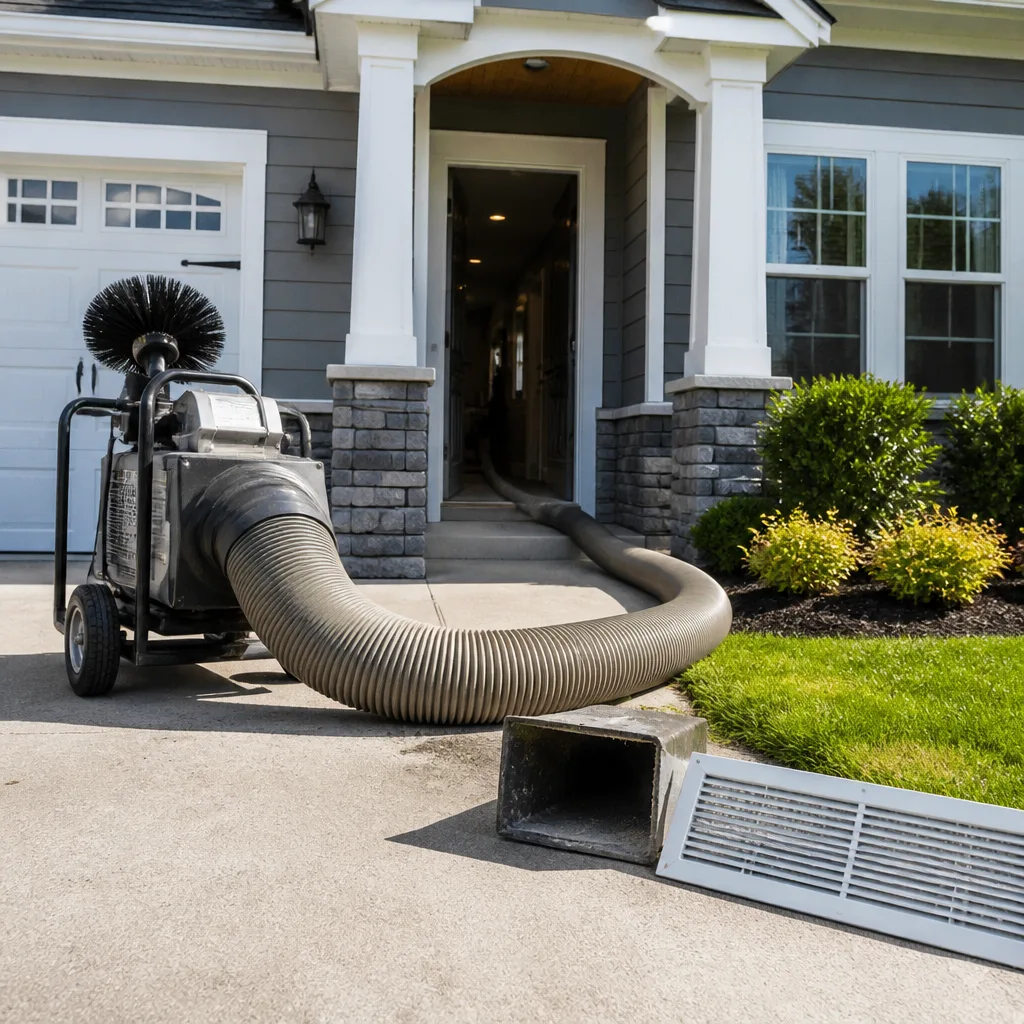 Whole-home duct cleaning
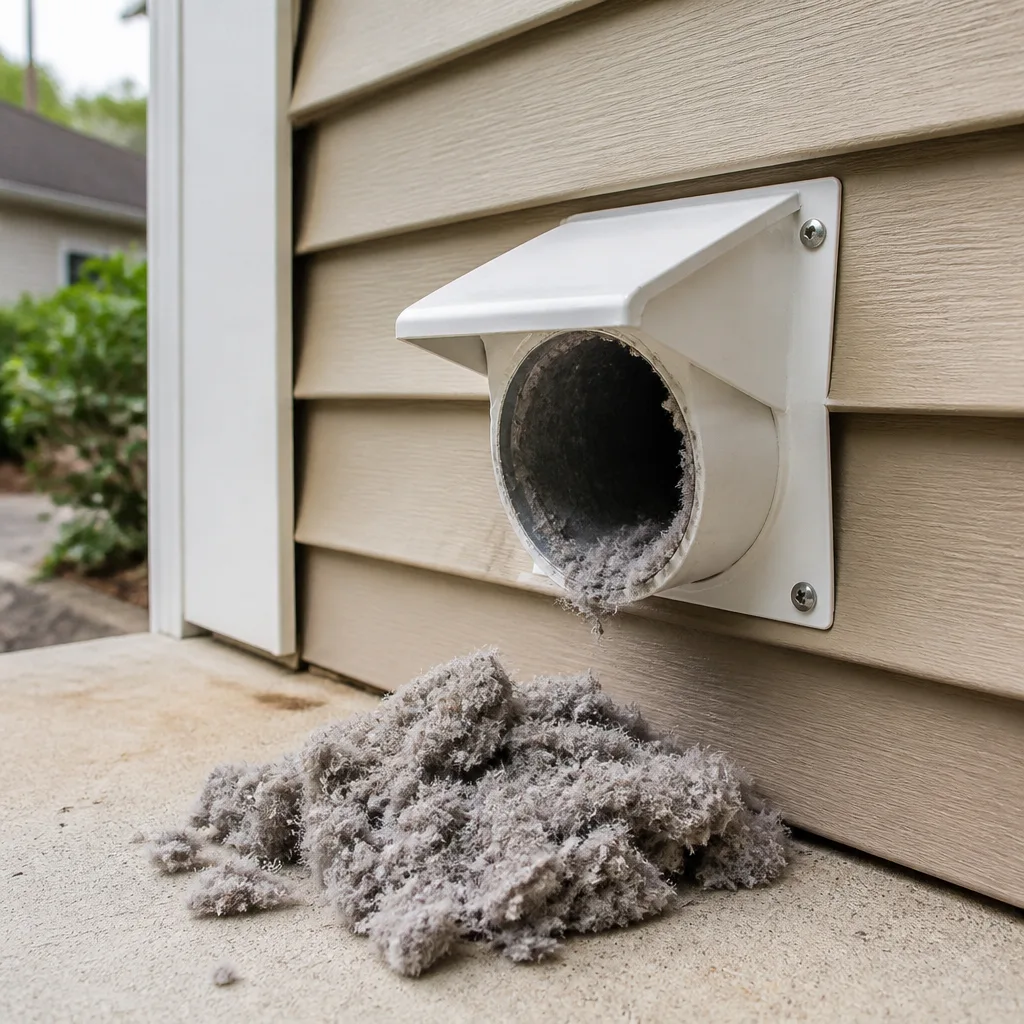 Dryer vent cleaning
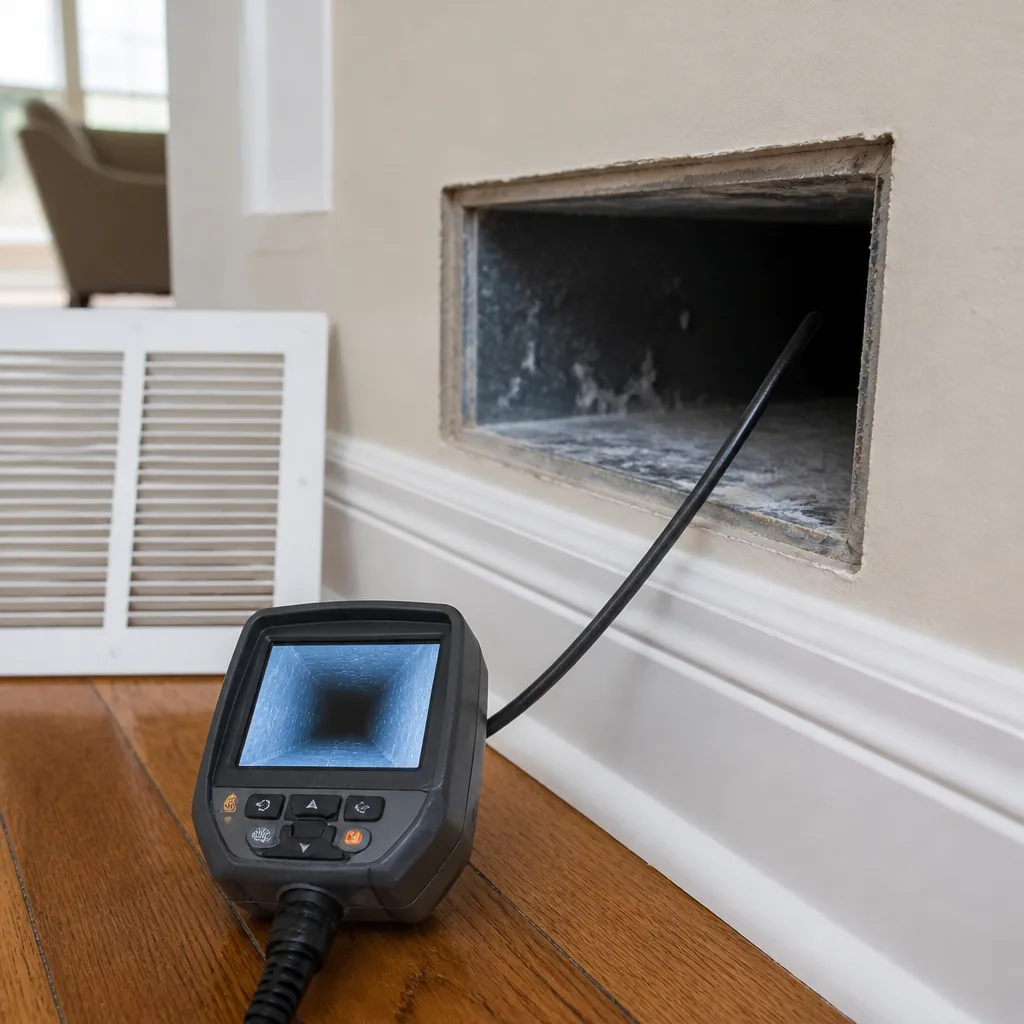 Camera inspection
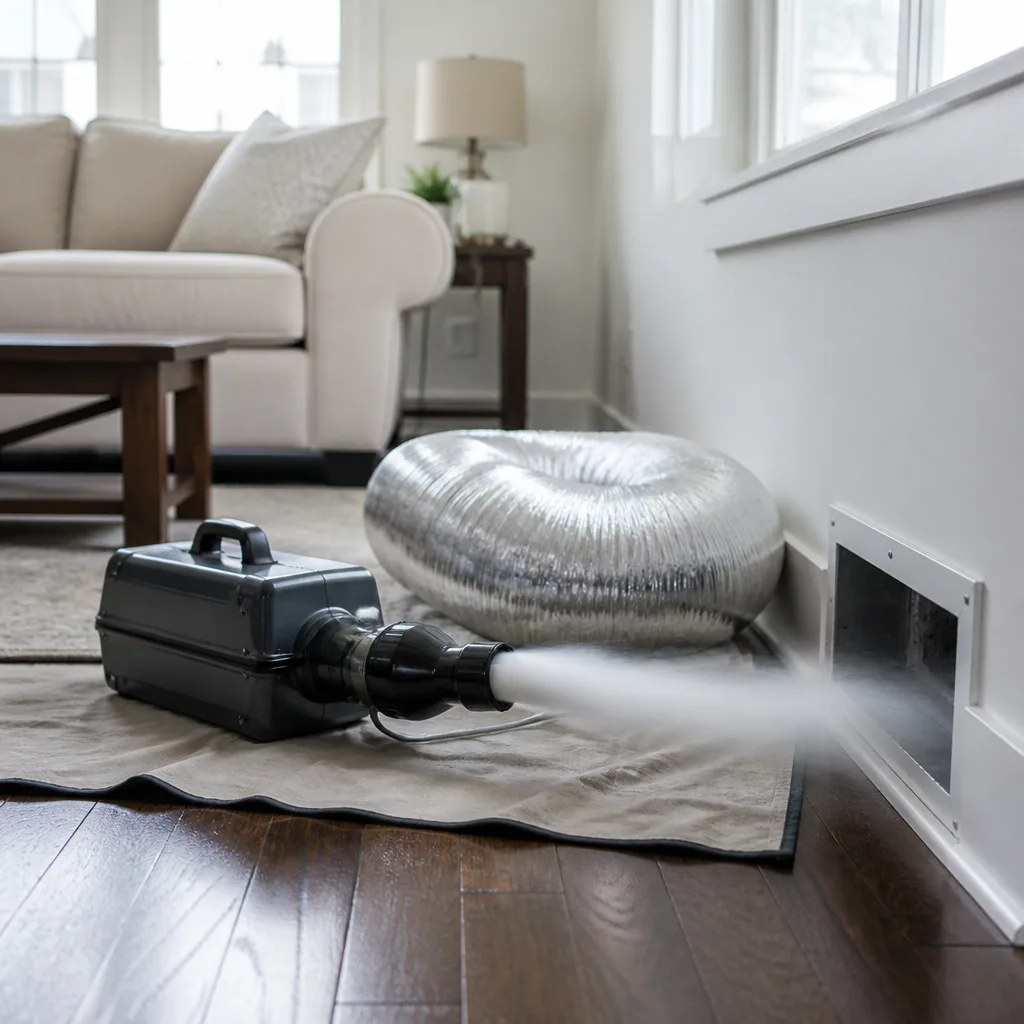 Sanitizing & deodorizing
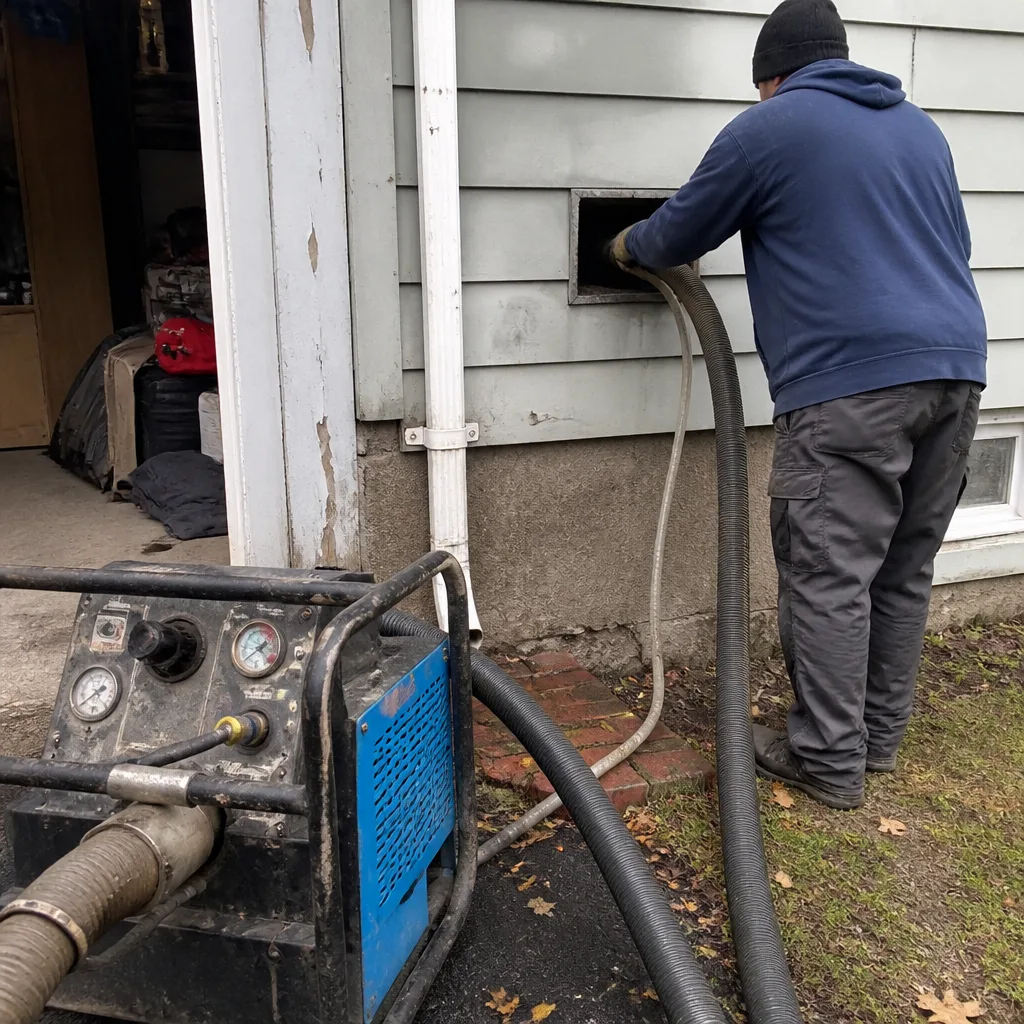
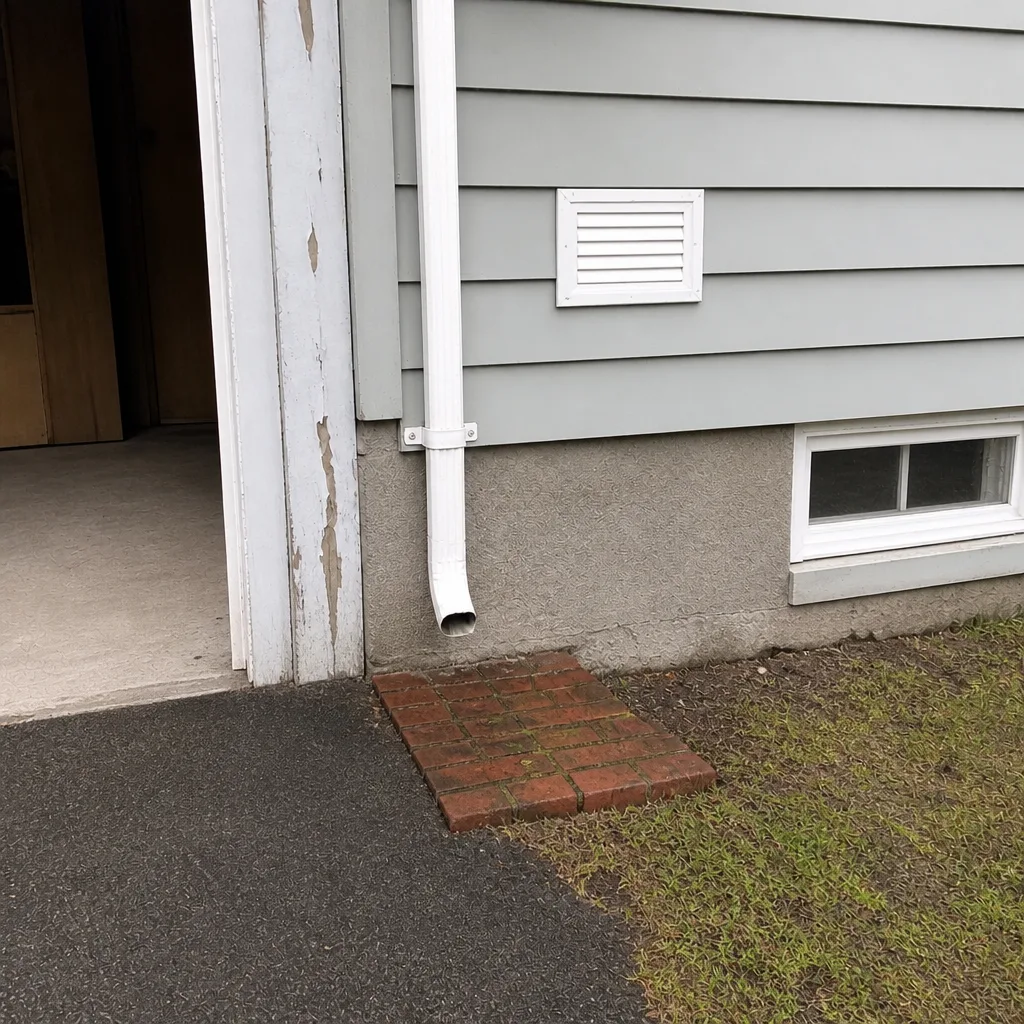
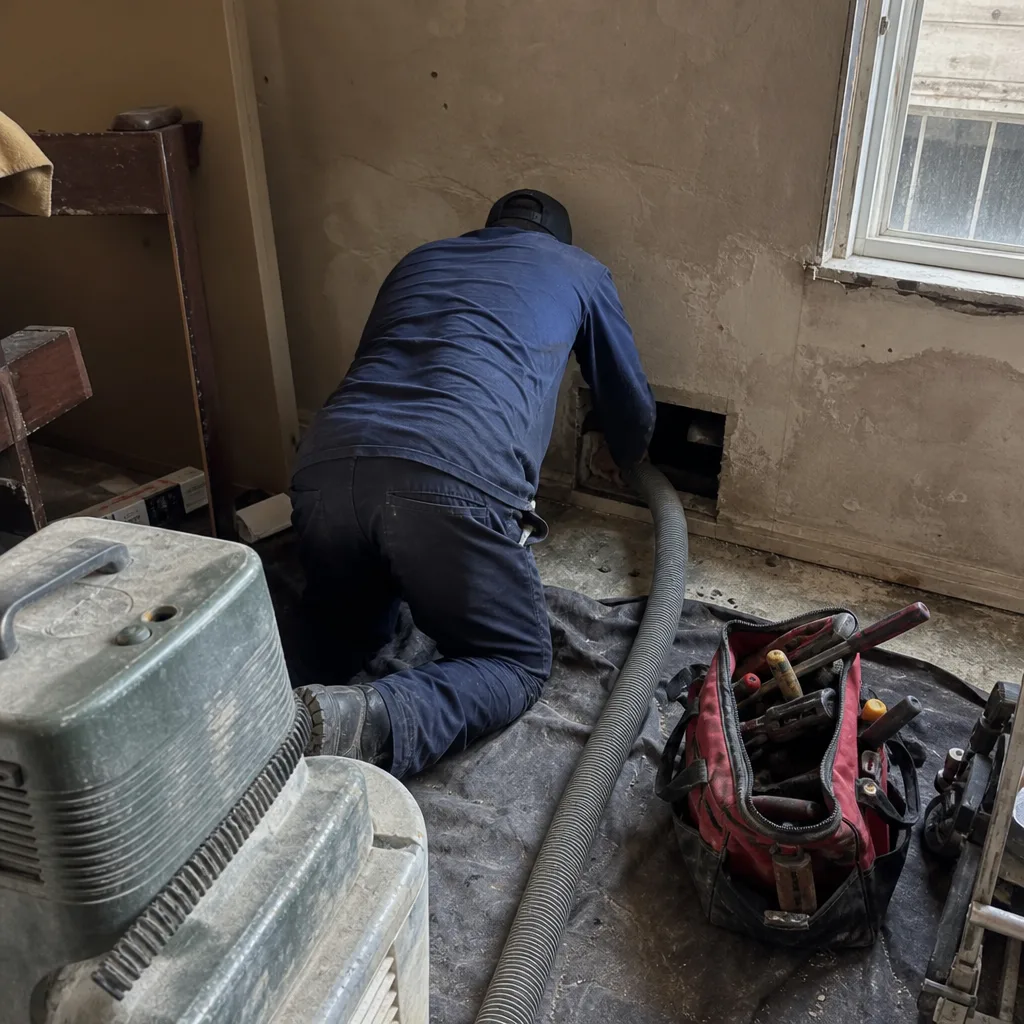
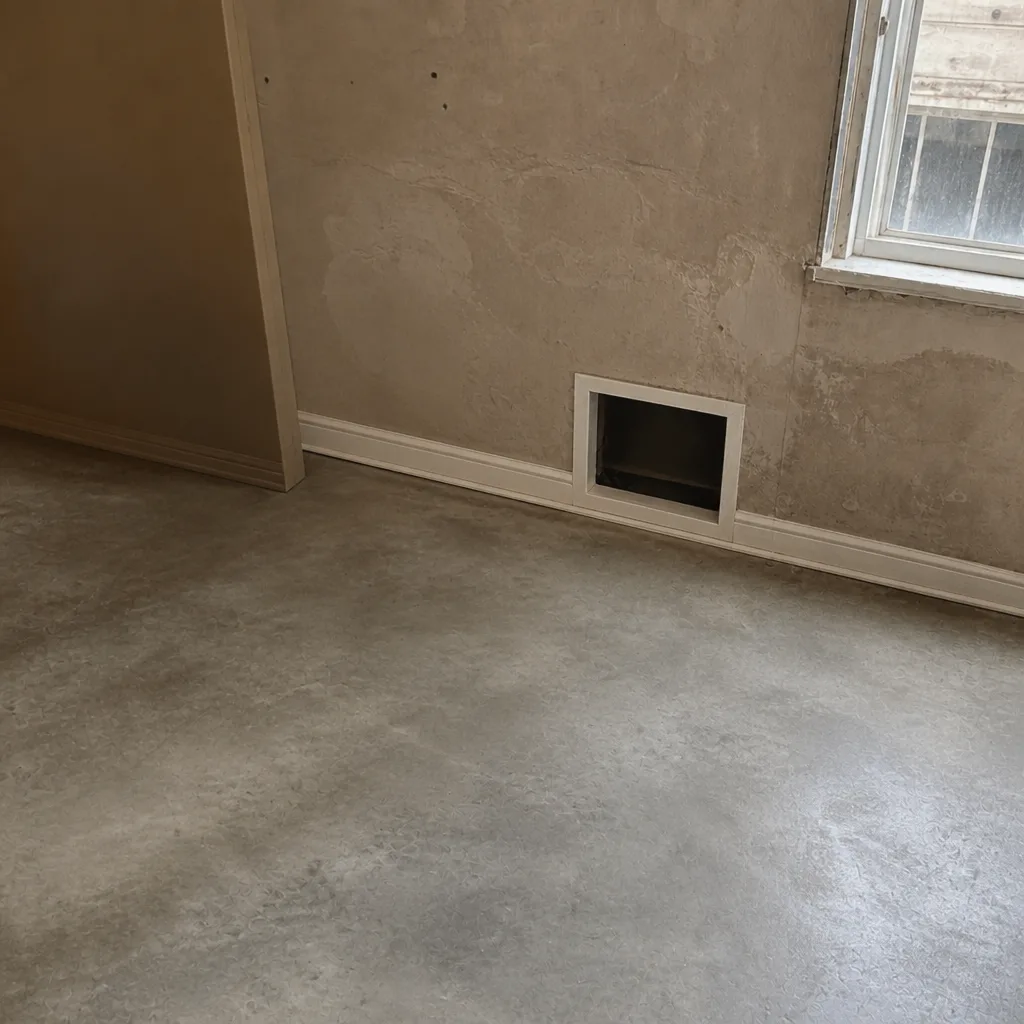
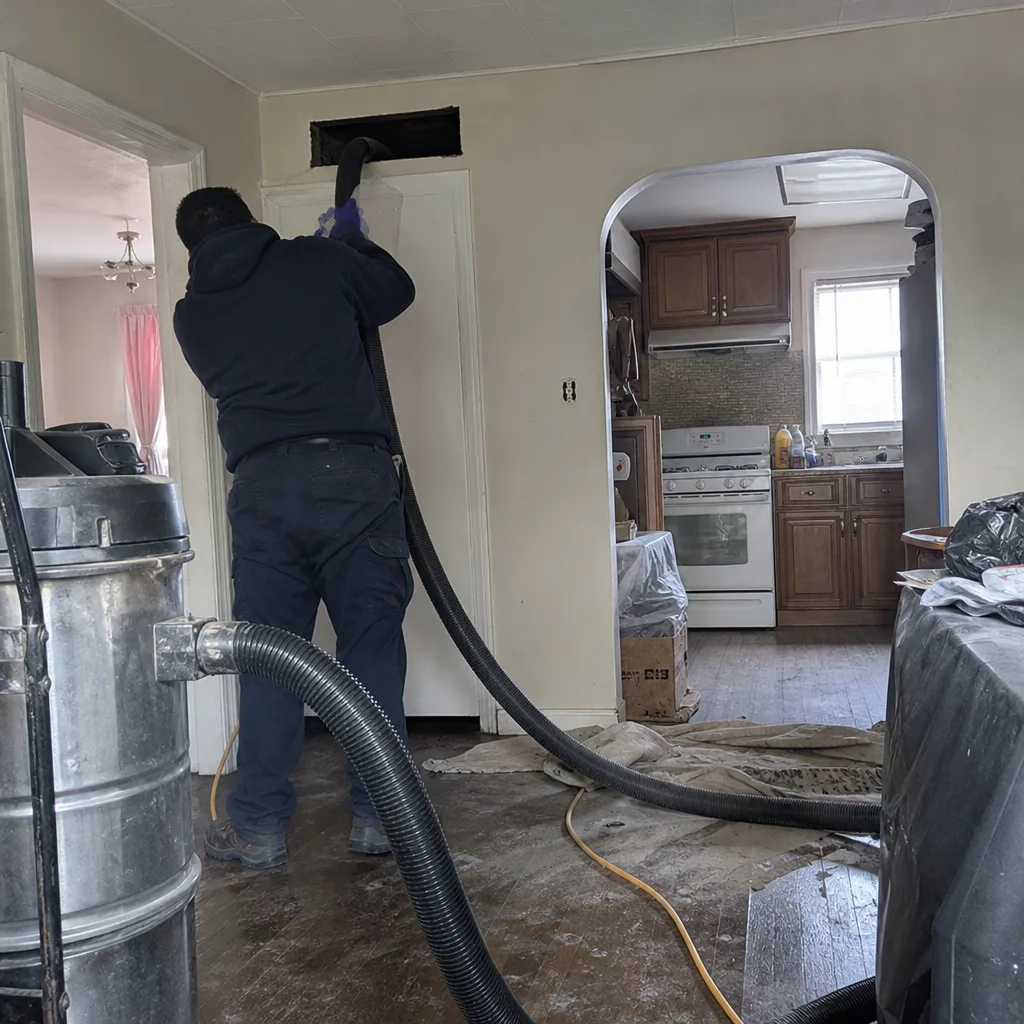
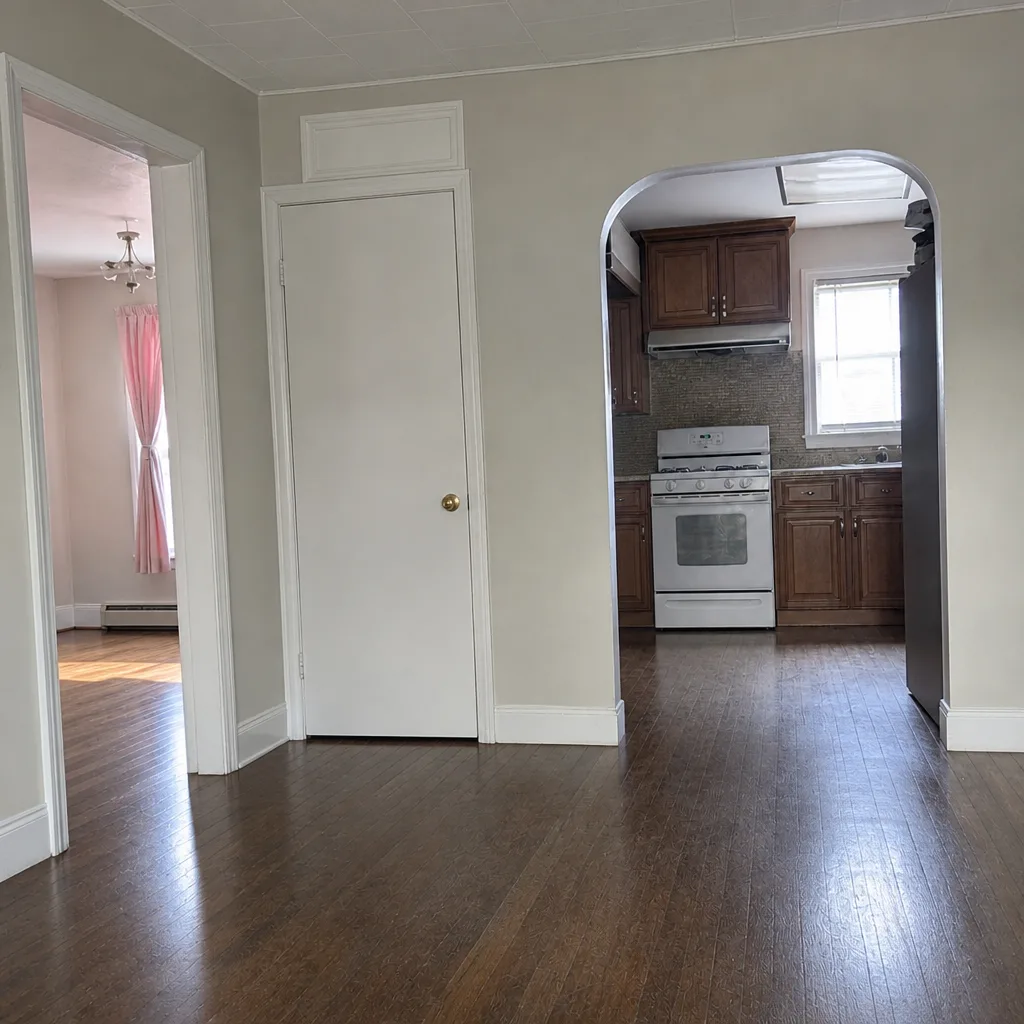
Whole-system duct and dryer vent check with before-and-after photos - you see exactly what came out of your vents
That "$99 whole-house special" is a bait ad - the real number appears once they are in your hallway, or the "clean" is a shop-vac at the register. We photograph the inside of your ducts before and after instead.
Choosing the Right Air Duct Cleaning Brand: A Buyer’s Guide for Bay Ridge
Three of the most-searched air duct cleaning “brands” in the New York metro area are not companies at all. They’re lead generation networks: websites built to collect your name and phone number, then sold to whichever local operator bids lowest for it that week. The logo on the page has nothing to do with who shows up at your door in Bay Ridge. That’s the uncomfortable truth about this category, and it’s why picking a provider here works differently than picking a plumber or an electrician. There are no national chains with meaningful quality control, only local operators borrowing national names as marketing. What actually matters is the equipment and training behind the logo. This guide shows you how to see the difference before you book.
Styles & brands we work with
- Whole-home duct cleaning
- Dryer vent cleaning
- Camera inspection
- Sanitizing & deodorizing
Quick Answer
The right air duct cleaning brand in Bay Ridge is almost always a local operator you can verify by equipment, certifications, and documentation practice, not a name you recognize from an ad. Look for NADCA certification, professional-grade equipment from manufacturers like Rotobrush or Nikro, and a contractor who hands you before-and-after photos of your own ducts. Skip anyone whose site is a lead form with no address, no named service lines, and no proof of what happens after the phone call.
Table of Contents
- How to Tell a Real Operator From a Lead-Gen Aggregator
- What the Equipment Brands Actually Signal
- NADCA Certification and What to Ask Beyond It
- Local Bay Ridge Operator vs. Larger Regional Contractor
- The Documentation Questions That Reveal Everything
- A Step-by-Step Way to Evaluate Any Provider
- Common Mistakes to Avoid
- When to Call a Professional
How to Tell a Real Operator From a Lead-Gen Aggregator
The single most useful skill in this market is spotting a referral operation. Lead-gen sites are built to rank, not to clean. They typically share a few recognizable traits once you know what to look for.
- No specific service menu. A real duct cleaning company lists its distinct services. A referral site lists every home service imaginable under one roof, because it’s selling inquiries across categories.
- No equipment named. If the site never mentions a specific brand or system, that’s because the answering operator doesn’t know who will show up either.
- A phone number with no local identity. A tracked number that forwards to a call center is common. Ask where the company is and what equipment they run, and listen for a scripted non-answer.
- Thin or copied text. Aggregators recycle the same paragraphs across dozens of city pages. Small changes in wording are a tell.
On a phone call, ask two questions early: “What equipment do you clean with?” and “What do I get in writing when the job is done?” A genuine operator answers both easily. An aggregator deflects or promises to “have someone call you.”
We’ve seen this pattern play out across the neighborhoods of southern Brooklyn, and it’s worth saying plainly: the calling company should be the company doing the work. If the person on the line can’t describe the process, framing, and documentation, you’re talking to a middleman. For a fuller picture of what a legitimate service involves, see our main page on Air Duct Cleaning Bay Ridge.
What the Equipment Brands Actually Signal
Brand names in this trade aren’t decoration. They tell you what a contractor has invested in and, by extension, what standard of job they can physically do. Consumer shop vacs and improvised tools cannot move enough air to clean a residential duct system, and no amount of enthusiasm changes that.
Rotary brush and vacuum systems
A Rotobrush or Nikro system pairs a rotating brush head with high-powered vacuum collection. The brush agitates what’s clinging to the duct walls; the vacuum captures it rather than pushing it into the room. This is the industry-standard approach for residential duct cleaning, and its presence on a company’s equipment list is a meaningful signal.
Containment and filtration
When a contractor dislodges debris, it has to go somewhere. Professional operations use air filtration and containment equipment, the same class of hardware used in remediation work, to capture contaminants during the job. Abatement Technologies equipment falls into this category. When a company names this kind of gear, it’s telling you it thought about where the dust goes, not just how to loosen it.
Truck-mounted negative air and HEPA
The other professional approach is a truck-mounted negative air machine drawing the system under negative pressure, often with HEPA filtration. Both routes (powerful portable systems or a truck mount) can do a proper job. What matters is that the equipment is duct-rated, not a shop vac with a long hose.
Ask directly: “What make and model do you clean with, and how do you keep dust from recirculating into the living space?” A credible answer names real equipment and explains containment.
NADCA Certification and What to Ask Beyond It
New York does not license air duct cleaning, which makes certification the closest thing to a quality floor you can find. NADCA (the National Air Duct Cleaners Association) sets standards for how a duct system should be assessed and cleaned, and certified operators have at least agreed to a defined method. In an unregulated market, that matters.
Certification alone doesn’t guarantee a good job, though. It tells you a baseline exists; it doesn’t tell you the technicians execute to it on a Thursday afternoon. To go beyond the certificate, ask:
- Are you certified, and are you willing to show the certificate? A confident operator doesn’t hesitate.
- Who is cleaning my system, and are they trained on this equipment? Subcontracted crews are a common weak point.
- What does “source removal” mean in your process? It should mean taking debris out, not just knocking it loose.
- Do you clean the entire system, or just the supply runs? The full air pathway includes returns, the air handler, and more.
- What documentation do I receive? This is the real differentiator, covered below.
Our technicians have up to 15 years of experience with this equipment, and in our view the questions above sort operators faster than any review page. For how rigorous cleaning fits into the broader HVAC picture, our air duct cleaning guide walks through the process at each stage.
Local Bay Ridge Operator vs. Larger Regional Contractor
Bigger isn’t automatically better in this category, and smaller isn’t automatically more accountable. The trade-offs are real on both sides, and Bay Ridge homeowners do better when they understand them.
- Accountability. A local operator with a neighborhood presence has reputation at stake. A larger regional firm has more layers between you and the person who cleans your ducts.
- Equipment access. Larger contractors may own more heavy equipment. Local operators often run the portable professional systems that fit the tight duct layouts common in Bay Ridge’s older housing stock.
- Insurance coverage. Ask any contractor, local or regional, for proof of current liability coverage. The local pro is licensed and insured as their state requires; get it in writing either way.
- Scheduling responsiveness. A firm juggling dozens of markets may route you to a subcontractor. A local operator can tell you who’s coming.
- Breadth of service. An operator that covers cleaning, repair, sealing, and air quality in one visit saves you coordinating multiple vendors. That full-pathway approach is where smaller specialists sometimes win.
The honest answer for most Bay Ridge homes is: choose the operator, not the size. A local firm that names its equipment, carries current coverage, and documents its work is a stronger pick than a regional name that farms out the job. If you’re looking at the borough-wide picture, our overview of HVAC cleaning covers how the systems interconnect.
The Documentation Questions That Reveal Everything
Ask any provider this: “What proof will I have that the work was actually done?” The answer separates operators who care about verifiable results from those completing transactions. In our experience, this single question tells you more than a stack of reviews.
What good documentation looks like
- Before-and-after photos of your ducts. Not stock images from a website, photos of your system, taken during your job.
- A record of what was found. A brief note on conditions, blockages, or areas of concern.
- A written summary of what was done. Which parts of the system were cleaned, and how.
- Recommendations for follow-up. If the system shows a problem a cleaning won’t solve, a real operator flags it.
An aggregator can’t answer this question at all, because it won’t be there for the job. A cleaning-only vendor may promise photos but not explain what they mean. An operator serious about proof will describe the report without prompting.
This is also where the “clean, then seal” logic comes in. If documentation reveals gaps or poor connections, a company that also offers duct repair and sealing can fix the root cause rather than just clean around it. Ask whether the provider can address what the inspection turns up, or whether you’ll need a second vendor for repairs.
A Step-by-Step Way to Evaluate Any Provider
Here’s a practical sequence for sizing up a provider before you book. It works for a lead-gen site, a regional contractor, or a referral, and it takes about fifteen minutes.
- Check the service menu. Does it list specific services (cleaning, dryer vents, HVAC, repair, air quality) or just “duct cleaning”? Fewer specifics mean less capability.
- Look for named equipment. Rotobrush, Nikro, or a truck-mounted HEPA setup should appear somewhere in the materials or come up on a call.
- Confirm certification. Ask about NADCA standing and whether they’ll show proof.
- Call and ask about process. The person who answers should describe containment, source removal, and documentation without hesitation.
- Request proof of insurance. A serious operator supplies it without friction.
- Ask what happens after. Photos of your ducts, a written summary, and any follow-up recommendations should be part of the job.
- Get the estimate in writing. One flat price per system, agreed before any work starts.
Anything that fails more than one of these steps deserves a second look. The goal isn’t to reject every provider; it’s to filter the market down to the ones who can demonstrate what they do.
Common Mistakes to Avoid
- Booking from an ad without checking the service menu. A page that advertises every home service under the sun is likely a lead-gen site. Take a few minutes to confirm the company actually cleans ducts.
- Choosing on price alone. The lowest quote in the market often reflects fewer equipment capabilities or a subcontractor who can’t do the full system. Price matters, but it follows capability.
- Skipping the equipment question. If you never ask what they clean with, you can’t tell a duct-rated rotary and vacuum system from a shop vac. Always ask.
- Assuming a familiar name is a local operator. In the NYC market especially, national-sounding brands are frequently referral networks. Verify the operator behind the name.
- Not asking for documentation. If you don’t request before-and-after photos and a written summary, you’ve ceded proof to a promise. Ask upfront.
- Overlooking other parts of the air pathway. Duct cleaning alone misses the dryer vent, the HVAC equipment, and sealing gaps. A full-pathway provider covers all of it.
- Letting one visit end the story. If the inspection reveals poor connections or contamination re-entry, plan for repair and sealing, not just another cleaning.
When to Call a Professional
Call for a professional assessment when you notice dust returning quickly after cleaning, a musty or stale smell when the system runs, visible debris around supply vents, or recently completed renovations that likely pushed construction dust into the system. If anyone in the household has worsening allergy symptoms tied to the HVAC running, that’s another prompt to bring in an operator who can inspect the full pathway. Older Bay Ridge homes with original ductwork benefit from an inspection to catch loose connections and gaps.
Air Duct Cleaning Bay Ridge offers free estimates in Bay Ridge – call (877) 938-5572. We answer 24/7. Fast dispatch from 7am to 7pm, Sunday through Friday.
Frequently Asked Questions
There’s no single price because the cost depends on the size and condition of the system, the number of vents, and whether repair or sealing is needed. Whole-system estimates in this area generally run from a few hundred to over a thousand dollars, and a written estimate sets the final price. Call (877) 938-5572 for an exact quote on your system – estimates are free.
A very low quote usually reflects a narrower service: fewer of the system’s parts cleaned, lighter equipment, or a subcontractor doing the actual work. It can also trace back to a lead-gen network pricing to win the inquiry, not to do the job properly. Ask what equipment they use and what documentation you receive; a capable operator will answer both. Call (877) 938-5572 for an honest, itemized estimate.
You ask for before-and-after photos of your own ducts and a written summary of what was cleaned and what was found. Any operator can promise a job; the proof is in the documentation. Insist on it before booking, not after. That’s also why we confirm the estimate and scope in writing upfront. Call (877) 938-5572 to ask about our documentation practice.
For most homes, every two to four years is reasonable, with more frequent service if anyone has significant allergies, if pets are shedding heavily, or after major renovations. Homes near active construction or with older ductwork may benefit from shorter intervals. An inspection tells you what your specific system needs. Call (877) 938-5572 for an assessment.
New York doesn’t license duct cleaning, so NADCA certification is the closest thing to a quality floor and worth asking about. It’s not a guarantee on its own; ask about equipment, documentation, and whether the technicians doing the work are trained. Certification plus proof beats certification alone. Call (877) 938-5572 to talk through what to look for.
Yes. We supply and install Honeywell and Aprilaire air quality products and offer duct repair and sealing alongside cleaning, so a single engagement can address what inspection turns up. That’s the value of the full-pathway approach: cleaning gets the system clear, sealing keeps it that way. Call (877) 938-5572 to discuss your system and get a free estimate.
The Bottom Line
The “brand” in Bay Ridge air duct cleaning means far less than the operator behind it. Names you recognize are often lead-gen networks or franchise shells; what you’re actually buying is the equipment the crew runs, the certification they answer to, and the documentation they leave behind. Use the phone-call test (can they name their equipment and describe containment?), demand proof of insurance, and insist on before-and-after photos of your own ducts. A local operator with professional-grade systems and a full-pathway service menu beats a familiar logo every time. Start with those questions, and the market sorts itself out.
Need a straight answer about your system? Call Air Duct Cleaning Bay Ridge at (877) 938-5572 for a free estimate. We answer 24/7. Fast dispatch from 7am to 7pm, Sunday through Friday. We also handle dryer vent cleaning and the full air pathway in one visit.
Written by the team at Air Duct Cleaning Bay Ridge.
See the difference
 Before
 After
 Before
 After
 Before
 After